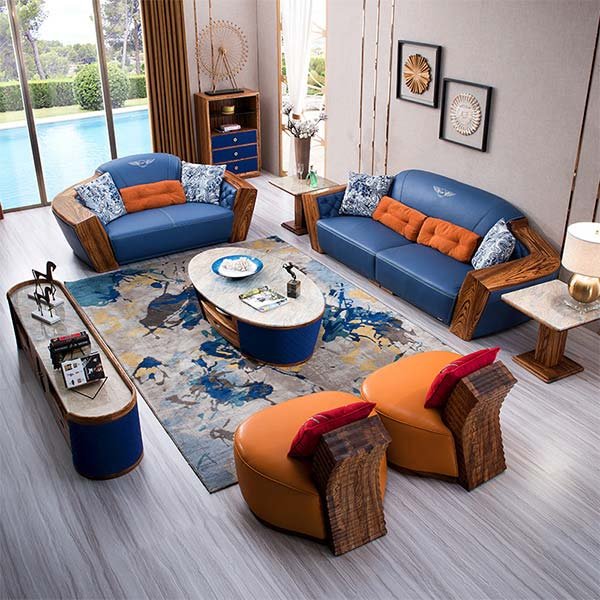
Tagline: “Sofa vs. Couch: Understanding the Distinctive Comfort and Style.”
Origins and History of Sofas and Couches
Origins and History of Sofas and Couches
When it comes to furniture, two terms that are often used interchangeably are sofa and couch. While they may seem like synonyms, there are actually some subtle differences between the two. To truly understand these differences, it is important to delve into the origins and history of sofas and couches.
The word “sofa” is derived from the Arabic word “suffah,” which refers to a raised platform covered with cushions and blankets. This concept of a comfortable seating arrangement can be traced back to ancient civilizations such as the Egyptians and Greeks. In fact, the Greeks were known for their kline, a type of daybed that served as a place for reclining and socializing.
Moving forward in history, we find that the Romans also had their own version of a sofa, known as a lectus. This piece of furniture was typically made of wood and featured a mattress or cushion for added comfort. The lectus was often used for dining and lounging, and it was a symbol of wealth and status.
As time went on, the concept of a sofa evolved and spread throughout Europe. During the Renaissance period, sofas became more elaborate and ornate, reflecting the opulence of the time. They were often made of expensive materials such as velvet and adorned with intricate carvings. Sofas during this era were primarily used by the upper class and were seen as a symbol of luxury and refinement.
In contrast, the term “couch” has a slightly different history. The word “couch” is derived from the French word “coucher,” which means “to lie down.” This suggests that couches were originally designed for reclining or lying down rather than sitting upright. In fact, early couches were often used for sleeping or resting, and they were typically narrower and shorter than sofas.
The concept of a couch gained popularity in the 17th and 18th centuries, particularly in England. These couches were often upholstered and featured a backrest and armrests for added comfort. Unlike the extravagant sofas of the Renaissance, couches during this period were more practical and functional. They were commonly found in middle-class homes and were used for everyday activities such as reading and socializing.
In modern times, the distinction between sofas and couches has become less clear. Many people use the terms interchangeably, and furniture manufacturers often label their products as both sofas and couches. However, some still argue that there are subtle differences between the two.
One key difference is the size and shape. Sofas are typically larger and more formal in appearance, with straighter lines and a more structured design. Couches, on the other hand, are often smaller and more casual, with softer lines and a relaxed feel.
Another difference lies in the level of comfort. Sofas are often designed for lounging and relaxation, with deep seats and plush cushions. Couches, on the other hand, may have a firmer feel and are often used for shorter periods of sitting or reclining.
In conclusion, while the terms sofa and couch are often used interchangeably, there are historical and stylistic differences between the two. Sofas have a long history dating back to ancient civilizations and are often associated with luxury and opulence. Couches, on the other hand, have a more practical and functional origin and are typically smaller and more casual in appearance. Ultimately, the choice between a sofa and a couch comes down to personal preference and the intended use of the furniture.
Design and Construction Variations between Sofas and Couches
Design and Construction Variations between Sofas and Couches
When it comes to furnishing our living spaces, one of the most important decisions we have to make is choosing the right seating option. Sofas and couches are two terms that are often used interchangeably, but are they really the same thing? In fact, there are some key design and construction variations between sofas and couches that set them apart.
Firstly, let’s consider the design aspect. Sofas are typically known for their elegance and sophistication. They often have a more formal and refined appearance, with clean lines and a tailored look. Sofas are often associated with a more traditional or classic style of furniture. On the other hand, couches tend to have a more casual and relaxed design. They often have a softer and more inviting look, with plush cushions and a laid-back feel. Couches are often associated with a more contemporary or modern style of furniture.
Moving on to the construction aspect, sofas and couches also differ in terms of their size and seating capacity. Sofas are generally larger and can accommodate more people. They often have three or more cushions and can comfortably seat three or more individuals. Sofas are designed to provide ample seating space for larger gatherings or families. Couches, on the other hand, are usually smaller and can accommodate fewer people. They often have two cushions and are designed to provide a cozy seating option for smaller groups or individuals.
Another important difference between sofas and couches lies in their level of comfort. Sofas are often designed with comfort in mind. They typically have deeper seats and firmer cushions, providing a more supportive and comfortable sitting experience. Sofas are often preferred for lounging or extended periods of sitting. Couches, on the other hand, are designed to be more relaxed and comfortable. They often have shallower seats and softer cushions, allowing for a more laid-back and casual sitting experience. Couches are often preferred for shorter periods of sitting or for informal gatherings.
In terms of versatility, sofas and couches also have some variations. Sofas are often seen as a more versatile seating option. They can be easily incorporated into various room layouts and can be paired with different styles of furniture. Sofas can be the centerpiece of a living room or can be used in a bedroom or office space. Couches, on the other hand, are often seen as a more specific seating option. They are often used in casual or informal settings, such as a family room or a den. Couches are often paired with other casual furniture pieces, such as coffee tables or ottomans.
In conclusion, while the terms sofa and couch are often used interchangeably, there are some key design and construction variations between the two. Sofas are known for their elegance and sophistication, with a more formal design and larger seating capacity. They are often preferred for their comfort and versatility. Couches, on the other hand, have a more casual and relaxed design, with a smaller seating capacity. They are often chosen for their cozy and laid-back feel. Understanding these differences can help us make an informed decision when choosing the right seating option for our living spaces.
Cultural and Regional Perspectives on Sofas and Couches
Cultural and Regional Perspectives on Sofas and Couches
When it comes to furniture, one of the most common pieces found in living rooms around the world is the sofa or couch. These terms are often used interchangeably, but is there really a difference between the two? Interestingly, the answer to this question can vary depending on cultural and regional perspectives.
In many parts of the world, the term “sofa” is used to describe a more formal and elegant piece of furniture. Sofas are often associated with a higher level of sophistication and are typically found in more upscale homes or establishments. They are often larger in size and may feature more intricate designs and details. Sofas are often seen as a statement piece, meant to impress guests and create a sense of luxury and refinement.
On the other hand, the term “couch” is often used to describe a more casual and comfortable piece of furniture. Couches are typically associated with relaxation and informality. They are often smaller in size and may have a more laid-back design. Couches are often seen as a place to kick back and unwind, perfect for lounging and watching TV or reading a book.
However, it is important to note that these cultural and regional perspectives on sofas and couches are not universal. In some parts of the world, the terms “sofa” and “couch” are used interchangeably, with no distinction between the two. In these regions, the choice of terminology may simply come down to personal preference or local dialect.
Furthermore, the perception of sofas and couches can also be influenced by cultural norms and traditions. For example, in some cultures, the seating arrangement in a living room is highly structured and formal. In these cases, a sofa may be the preferred choice, as it aligns with the cultural expectation of elegance and sophistication.
In contrast, in cultures where a more relaxed and informal seating arrangement is the norm, a couch may be the preferred choice. This could be seen in regions where people often gather on the floor or use cushions for seating. In these cases, a couch provides a comfortable and versatile seating option that can easily be rearranged to accommodate different social situations.
It is also worth mentioning that the distinction between sofas and couches can vary within a single country or region. For example, in the United States, the terms “sofa” and “couch” are often used interchangeably. However, some people may use the term “sofa” to refer to a larger, more formal piece of furniture, while “couch” may be used to describe a smaller, more casual piece.
In conclusion, the difference between a sofa and a couch can be influenced by cultural and regional perspectives. While some cultures may see a sofa as a more formal and elegant piece of furniture, others may view a couch as a more casual and comfortable option. However, it is important to note that these distinctions are not universal and can vary within a single country or region. Ultimately, the choice between a sofa and a couch comes down to personal preference and the desired atmosphere of the living space.
Conclusion
In conclusion, the main difference between a sofa and a couch lies in their historical origins and design characteristics. Sofas are typically larger, more formal, and have a more structured appearance, while couches are often smaller, more casual, and have a more relaxed and informal design. However, the terms “sofa” and “couch” are often used interchangeably in modern usage, and the distinction between the two has become less significant over time.