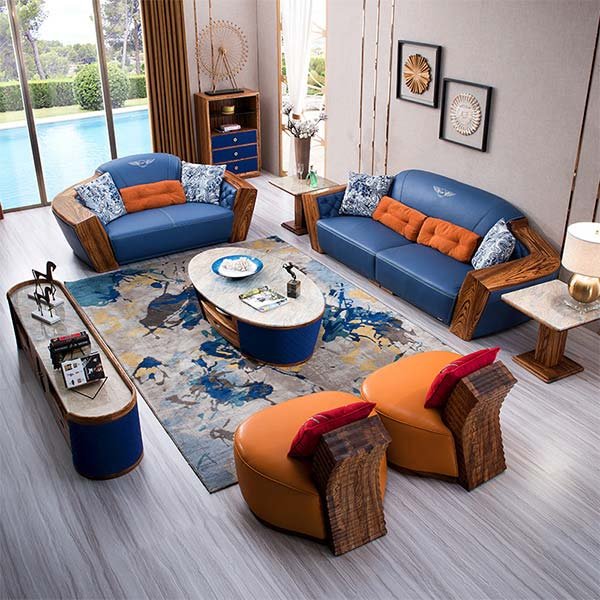
“Creating a Greener Future with Stylish Sustainable Wooden Furniture”
Eco-friendly manufacturing processes in sustainable wooden furniture
Eco-friendly manufacturing processes in sustainable wooden furniture
In recent years, there has been a growing demand for sustainable and eco-friendly products, including furniture. As consumers become more conscious of the environmental impact of their purchases, manufacturers are adapting their processes to meet these demands. One area where significant progress has been made is in the manufacturing of sustainable wooden furniture. In this article, we will explore the top trends in eco-friendly manufacturing processes for sustainable wooden furniture.
One of the key trends in sustainable wooden furniture manufacturing is the use of reclaimed wood. Reclaimed wood refers to wood that has been salvaged from old buildings, barns, or other structures. By repurposing this wood, manufacturers are able to reduce the demand for new timber, which helps to preserve forests and reduce deforestation. Additionally, using reclaimed wood gives furniture a unique and rustic look, adding to its appeal.
Another trend in eco-friendly manufacturing processes is the use of certified sustainable wood. This means that the wood used in furniture production comes from responsibly managed forests. These forests are carefully monitored to ensure that trees are harvested in a way that allows for natural regeneration and biodiversity conservation. By using certified sustainable wood, manufacturers can guarantee that their products are not contributing to deforestation or habitat destruction.
In addition to the materials used, manufacturers are also focusing on reducing waste and energy consumption in their production processes. One way this is being achieved is through the implementation of efficient manufacturing techniques. For example, some manufacturers are using computer-aided design (CAD) software to optimize the use of materials and minimize waste. Others are investing in energy-efficient machinery and equipment to reduce their carbon footprint.
Furthermore, some manufacturers are exploring alternative finishing techniques that are less harmful to the environment. Traditional finishing methods often involve the use of toxic chemicals, such as varnishes and stains, which can release harmful volatile organic compounds (VOCs) into the air. To address this issue, manufacturers are turning to natural and non-toxic finishes, such as plant-based oils and waxes. These finishes not only reduce the environmental impact but also create a healthier indoor environment for consumers.
Lastly, transparency and accountability are becoming increasingly important in the sustainable wooden furniture industry. Consumers want to know where their furniture comes from and how it was made. As a result, manufacturers are providing more information about their sourcing and production processes. Some are even obtaining third-party certifications, such as the Forest Stewardship Council (FSC) certification, to demonstrate their commitment to sustainability.
In conclusion, the manufacturing of sustainable wooden furniture is undergoing significant changes to meet the growing demand for eco-friendly products. Reclaimed wood, certified sustainable wood, efficient manufacturing techniques, alternative finishing methods, and transparency are all key trends in this industry. By embracing these trends, manufacturers are not only reducing their environmental impact but also meeting the needs and expectations of environmentally conscious consumers. As the demand for sustainable wooden furniture continues to rise, it is likely that these trends will become even more prevalent in the future.
Innovative designs and materials used in sustainable wooden furniture
Innovative designs and materials used in sustainable wooden furniture
Sustainable wooden furniture has become increasingly popular in recent years as people become more conscious of the environmental impact of their purchasing decisions. With a focus on using renewable resources and reducing waste, designers and manufacturers have been exploring innovative designs and materials to create beautiful and functional furniture that is also eco-friendly.
One of the top trends in sustainable wooden furniture is the use of reclaimed wood. Reclaimed wood is salvaged from old buildings, barns, and other structures that are no longer in use. By repurposing this wood, designers are able to give it a new life and prevent it from ending up in a landfill. The unique character and history of reclaimed wood adds a rustic and charming element to furniture pieces, making them truly one-of-a-kind.
Another trend in sustainable wooden furniture is the use of bamboo. Bamboo is a fast-growing grass that can be harvested in just a few years, making it a highly renewable resource. It is also incredibly strong and durable, making it an ideal material for furniture. Bamboo furniture often features sleek and modern designs, adding a touch of elegance to any space.
In addition to reclaimed wood and bamboo, designers are also exploring innovative materials such as cork and hemp. Cork is a natural and sustainable material that is harvested from the bark of cork oak trees. It is lightweight, water-resistant, and has excellent insulating properties, making it a great choice for furniture. Hemp, on the other hand, is a versatile and eco-friendly material that can be used to create fabrics, ropes, and even furniture. It is a fast-growing plant that requires minimal water and pesticides, making it a sustainable alternative to traditional materials.
In terms of design, sustainable wooden furniture is embracing minimalism and simplicity. Clean lines, geometric shapes, and neutral colors are all popular choices for eco-friendly furniture. This minimalist approach not only creates a sleek and modern aesthetic, but it also reduces waste and promotes a more sustainable lifestyle.
Furthermore, designers are incorporating innovative features into their sustainable wooden furniture. For example, some pieces are designed to be multifunctional, serving multiple purposes and saving space. Others are designed with built-in storage solutions, helping to keep living spaces organized and clutter-free. These innovative designs not only maximize functionality but also promote a more sustainable and efficient use of resources.
In conclusion, the top trends in sustainable wooden furniture revolve around innovative designs and materials. Reclaimed wood, bamboo, cork, and hemp are all being used to create beautiful and eco-friendly furniture pieces. Minimalist designs and multifunctional features are also gaining popularity, promoting a more sustainable and efficient use of resources. As consumers become more conscious of the environmental impact of their purchasing decisions, the demand for sustainable wooden furniture is likely to continue growing. By embracing these trends, we can create a more sustainable future while still enjoying beautiful and functional furniture.
Growing popularity and demand for sustainable wooden furniture
Growing popularity and demand for sustainable wooden furniture
In recent years, there has been a significant increase in the popularity and demand for sustainable wooden furniture. As people become more aware of the environmental impact of their choices, they are seeking out furniture options that are not only aesthetically pleasing but also eco-friendly. This shift in consumer behavior has led to a surge in the production and availability of sustainable wooden furniture.
One of the main reasons for the growing popularity of sustainable wooden furniture is the increasing concern for the environment. With the rise in deforestation and the depletion of natural resources, people are looking for ways to reduce their carbon footprint. By choosing furniture made from sustainably sourced wood, consumers can contribute to the preservation of forests and the overall health of the planet.
Another factor driving the demand for sustainable wooden furniture is the desire for high-quality, durable products. Unlike mass-produced furniture made from cheap materials, sustainable wooden furniture is built to last. It is crafted with care and attention to detail, ensuring that it can withstand the test of time. This durability not only reduces waste but also saves consumers money in the long run, as they won’t have to constantly replace their furniture.
Additionally, sustainable wooden furniture offers a unique and timeless aesthetic appeal. The natural beauty of wood adds warmth and character to any space, making it a popular choice for interior design. Whether it’s a rustic farmhouse table or a sleek modern chair, sustainable wooden furniture can complement a variety of styles and preferences. Its versatility and ability to blend seamlessly with different decor make it a favorite among homeowners and interior designers alike.
Furthermore, the availability of sustainable wooden furniture has greatly increased in recent years. Many furniture manufacturers and retailers have recognized the growing demand for eco-friendly options and have started offering a wide range of sustainable wooden furniture. This means that consumers have more choices than ever before when it comes to finding the perfect piece for their home or office.
To meet the demand for sustainable wooden furniture, many manufacturers have also adopted responsible production practices. They ensure that the wood used in their furniture comes from sustainably managed forests, where trees are replanted to maintain the ecosystem’s balance. Additionally, some manufacturers use reclaimed wood, giving new life to old materials and reducing waste.
In conclusion, the growing popularity and demand for sustainable wooden furniture can be attributed to several factors. The increasing concern for the environment, the desire for high-quality and durable products, the timeless aesthetic appeal, and the availability of a wide range of options have all contributed to this trend. As more people become conscious of their environmental impact, it is likely that the demand for sustainable wooden furniture will continue to rise. By choosing eco-friendly options, consumers can not only enhance the beauty of their spaces but also contribute to a more sustainable future.
Заключение
Заключение: Топовые тренды в устойчивой деревянной мебели включают использование экологически чистых и переработанных материалов, применение инновационных технологий для увеличения эффективности производства и снижения отходов, а также создание мебели с долгим сроком службы и возможностью переработки. Эти тренды отражают растущий интерес потребителей к экологически ответственным и устойчивым вариантам мебели, что способствует развитию индустрии устойчивой деревянной мебели.