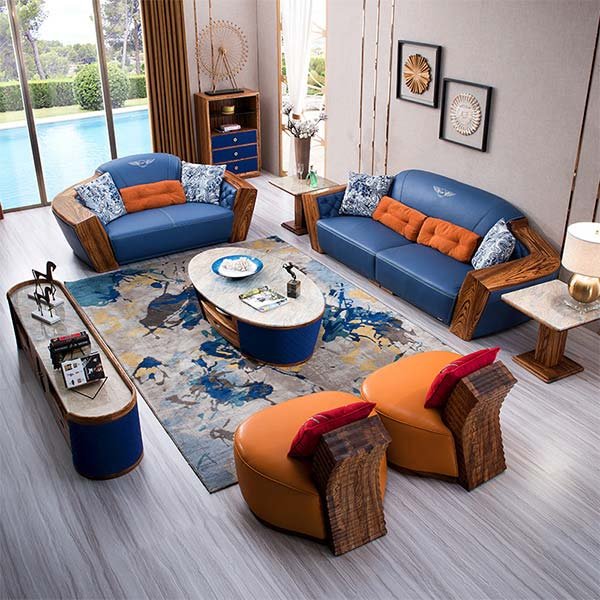
“Designing comfort, one bedroom at a time.”
Benefits of Ergonomic Bedroom Furniture Design
Ergonomics plays a crucial role in the design of bedroom furniture, as it focuses on creating products that are comfortable, efficient, and safe for users. When it comes to bedroom furniture, ergonomics is essential in ensuring that the design promotes good posture, reduces strain on the body, and enhances overall well-being.
One of the key benefits of ergonomic bedroom furniture design is the promotion of proper posture. By incorporating ergonomic principles into the design of beds, mattresses, and other bedroom furniture, manufacturers can help users maintain a neutral spine alignment while sleeping or lounging. This can help prevent back pain, neck pain, and other musculoskeletal issues that can result from poor posture.
In addition to promoting proper posture, ergonomic bedroom furniture design can also help reduce strain on the body. For example, adjustable beds and mattresses can be customized to provide optimal support for different sleeping positions, reducing pressure points and promoting better circulation. This can help prevent discomfort and pain, allowing users to enjoy a more restful and rejuvenating sleep experience.
Furthermore, ergonomic bedroom furniture design can enhance overall well-being by promoting a healthier sleep environment. By incorporating features such as breathable materials, temperature regulation, and noise reduction, manufacturers can create a more comfortable and relaxing space for users to rest and recharge. This can help improve sleep quality, reduce stress, and enhance overall health and wellness.
Another benefit of ergonomic bedroom furniture design is the promotion of safety. By considering factors such as stability, durability, and accessibility, manufacturers can create products that are safe and easy to use for users of all ages and abilities. This can help prevent accidents and injuries, ensuring that users can enjoy their bedroom furniture with peace of mind.
Overall, the role of ergonomics in bedroom furniture design is essential in creating products that are comfortable, efficient, and safe for users. By promoting proper posture, reducing strain on the body, enhancing overall well-being, and promoting safety, ergonomic bedroom furniture design can help users enjoy a more restful and rejuvenating sleep experience. Whether it’s a bed, mattress, nightstand, or wardrobe, incorporating ergonomic principles into the design of bedroom furniture can make a significant difference in the comfort and functionality of the space. So, when shopping for bedroom furniture, be sure to consider the ergonomic features and benefits that can help you create a more comfortable and inviting sleep environment.
Key Elements of Ergonomic Bedroom Furniture
Ergonomics plays a crucial role in the design of bedroom furniture, as it focuses on creating products that are comfortable, efficient, and safe for users. When it comes to bedroom furniture, ergonomics is essential to ensure that the pieces are not only aesthetically pleasing but also functional and supportive for the body. In this article, we will explore the key elements of ergonomic bedroom furniture and how they contribute to a better sleeping environment.
One of the most important aspects of ergonomic bedroom furniture is the design of the bed. The bed is the focal point of any bedroom, and it is essential that it provides proper support for the body while sleeping. A good bed should have a supportive mattress that contours to the body’s shape, providing adequate support for the spine and joints. Additionally, the bed frame should be sturdy and stable to prevent any accidents or injuries while getting in and out of bed.
Another key element of ergonomic bedroom furniture is the design of the bedside table. The bedside table should be at a comfortable height for easy access while lying in bed. It should also have enough storage space to keep essential items within reach, such as a lamp, alarm clock, or book. The design of the bedside table should also consider the placement of electrical outlets for charging devices, as well as any additional features such as built-in lighting or USB ports.
In addition to the bed and bedside table, the design of the wardrobe or closet is also an essential element of ergonomic bedroom furniture. The wardrobe should be designed to maximize storage space while keeping items organized and easily accessible. It should have adjustable shelves and hanging rods to accommodate different types of clothing and accessories. The design of the wardrobe should also consider the ease of opening and closing doors, as well as the placement of handles and knobs for easy use.
Furthermore, the design of the bedroom chair or seating area is another important element of ergonomic bedroom furniture. The chair should be comfortable and supportive, with proper back and armrests to prevent strain on the body. It should also be at a height that allows for easy access to the bed or wardrobe. The design of the chair should also consider the materials used, such as cushioning and upholstery, to provide maximum comfort and durability.
Overall, the key elements of ergonomic bedroom furniture focus on creating a comfortable and supportive sleeping environment. By considering the design of the bed, bedside table, wardrobe, and seating area, designers can create furniture that promotes better sleep quality and overall well-being. Ergonomic bedroom furniture not only enhances the aesthetics of the room but also contributes to a healthier and more functional living space. By incorporating ergonomic principles into the design process, designers can create furniture that meets the needs and preferences of users while promoting a restful and rejuvenating sleep experience.
Tips for Incorporating Ergonomics into Bedroom Furniture
Ergonomics plays a crucial role in the design of bedroom furniture, as it focuses on creating products that are comfortable, efficient, and safe for users. When it comes to bedroom furniture, incorporating ergonomic principles can greatly enhance the overall functionality and comfort of the space. By considering the needs and preferences of users, designers can create furniture that promotes better posture, reduces strain on the body, and improves overall well-being.
One key aspect of incorporating ergonomics into bedroom furniture design is ensuring that the furniture is adjustable and customizable. This allows users to tailor the furniture to their specific needs and preferences, promoting a more comfortable and personalized experience. For example, adjustable bed frames and mattresses can help users find the perfect position for sleeping, reading, or watching TV, reducing strain on the body and promoting better sleep quality.
In addition to adjustability, designers should also consider the materials and construction of bedroom furniture to ensure that it is both durable and comfortable. Choosing high-quality materials that provide adequate support and cushioning can help prevent discomfort and promote better posture. For example, memory foam mattresses and ergonomic pillows can help reduce pressure points and promote proper spinal alignment, leading to a more restful night’s sleep.
Another important aspect of incorporating ergonomics into bedroom furniture design is considering the layout and placement of furniture within the space. By arranging furniture in a way that promotes ease of movement and accessibility, designers can create a more functional and comfortable environment for users. For example, placing bedside tables within easy reach of the bed can make it easier for users to access essential items such as glasses, books, or medications without straining or stretching.
Furthermore, designers should also consider the size and scale of bedroom furniture to ensure that it fits the needs and proportions of users. Choosing furniture that is appropriately sized for the space can help prevent overcrowding and promote a more open and inviting atmosphere. For example, selecting a bed frame that is the right height and width for the room can help create a more spacious and comfortable sleeping area.
When incorporating ergonomics into bedroom furniture design, designers should also consider the aesthetic appeal of the furniture. By combining functionality with style, designers can create furniture that not only looks good but also enhances the overall design of the space. Choosing furniture with clean lines, neutral colors, and modern finishes can help create a cohesive and visually appealing bedroom environment.
In conclusion, ergonomics plays a vital role in the design of bedroom furniture, as it focuses on creating products that are comfortable, efficient, and safe for users. By incorporating adjustable features, high-quality materials, thoughtful layout and placement, appropriate sizing, and aesthetic appeal, designers can create furniture that promotes better posture, reduces strain on the body, and enhances the overall functionality and comfort of the space. By considering the needs and preferences of users, designers can create bedroom furniture that not only looks good but also promotes better sleep quality and overall well-being.
Conclusion
In conclusion, ergonomics plays a crucial role in bedroom furniture design by ensuring that the furniture is comfortable, functional, and promotes good posture and overall well-being for the user. By incorporating ergonomic principles into the design process, designers can create furniture that enhances the overall bedroom experience and contributes to a healthier and more restful environment.