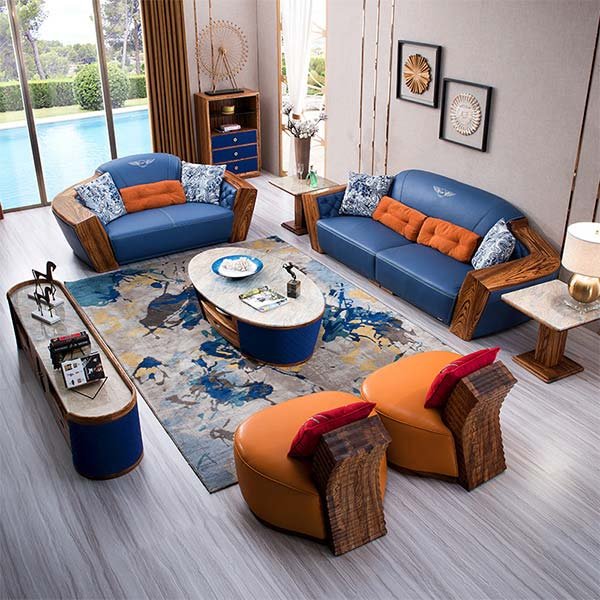
“Unleash the Power of Wooden Furniture: Embrace the Emotional Connection”
The Role of Wooden Furniture in Creating a Warm and Cozy Atmosphere
The Role of Wooden Furniture in Creating a Warm and Cozy Atmosphere
Wooden furniture has long been a staple in interior design, and for good reason. Not only does it add a touch of natural beauty to any space, but it also has a unique ability to create a warm and cozy atmosphere. In this article, we will explore the psychology behind wooden furniture and its emotional impact on individuals.
One of the main reasons why wooden furniture is so effective in creating a warm and cozy atmosphere is its ability to evoke a sense of nature. Humans have an innate connection to the natural world, and incorporating elements of nature into our living spaces can have a profound impact on our well-being. Wood, with its organic texture and warm tones, brings a piece of the outdoors inside, creating a sense of tranquility and comfort.
In addition to its natural appeal, wooden furniture also has a timeless quality that can make a space feel inviting and familiar. Unlike other materials that may go out of style or lose their appeal over time, wood has a classic and enduring beauty. This can create a sense of stability and security, making individuals feel more at ease in their surroundings.
Furthermore, wooden furniture has a unique ability to create a sense of nostalgia. Many people have fond memories associated with wooden furniture, whether it be a childhood dining table or a cozy rocking chair in their grandparents’ home. These memories can evoke feelings of warmth and happiness, making a space feel more inviting and comforting.
Another important aspect of wooden furniture’s emotional impact is its ability to create a sense of grounding. In a world that is increasingly fast-paced and chaotic, having a space that feels grounded and stable can be incredibly beneficial for our mental well-being. Wood, with its solid and sturdy nature, can provide this grounding effect, helping individuals feel more centered and at peace.
Moreover, wooden furniture has a unique ability to create a sense of intimacy. The natural warmth and texture of wood can make a space feel more personal and inviting, encouraging individuals to relax and connect with their surroundings. This can be particularly beneficial in shared spaces, such as living rooms or dining areas, where people gather to socialize and spend time together.
In conclusion, wooden furniture plays a crucial role in creating a warm and cozy atmosphere in any space. Its ability to evoke a sense of nature, its timeless beauty, and its ability to create a sense of nostalgia all contribute to its emotional impact. Additionally, wooden furniture provides a sense of grounding and intimacy, making individuals feel more at ease and connected to their surroundings. So, the next time you are looking to create a warm and inviting space, consider incorporating wooden furniture into your design.
Exploring the Connection Between Wooden Furniture and a Sense of Nature and Serenity
The Psychology of Wooden Furniture: Insights into Its Emotional Impact
Wooden furniture has long been a staple in interior design, and for good reason. Beyond its aesthetic appeal, there is a deeper psychological connection that people have with wooden furniture. This article will explore the connection between wooden furniture and a sense of nature and serenity.
One of the reasons why wooden furniture evokes a sense of nature is its organic and natural appearance. Unlike synthetic materials, wood has a unique texture and grain that adds warmth and character to any space. This natural element creates a feeling of being connected to the outdoors, even when indoors. Whether it’s a rustic wooden dining table or a sleek wooden coffee table, the presence of wood in a room can instantly transport us to a serene natural setting.
In addition to its visual appeal, wooden furniture also has a tactile quality that contributes to its emotional impact. The smoothness of polished wood or the roughness of unfinished wood can evoke different sensations and emotions. Running your fingers along the surface of a wooden desk or chair can be a comforting and grounding experience. This tactile connection to wood can help create a sense of calm and tranquility in our daily lives.
Furthermore, the color of wood plays a significant role in its emotional impact. The warm tones of brown and amber that are often found in wooden furniture have been shown to have a soothing effect on our minds. These earthy colors are associated with stability and security, which can help create a sense of serenity in our living spaces. Whether consciously or subconsciously, the color of wooden furniture can influence our mood and emotions.
Another aspect of wooden furniture that contributes to its emotional impact is its durability and longevity. Unlike many other materials, wood has a timeless quality that can withstand the test of time. This durability creates a sense of stability and reliability, which can be comforting in an ever-changing world. Knowing that a piece of furniture will last for years to come can bring a sense of peace and contentment to our lives.
Moreover, wooden furniture has a unique ability to age gracefully. As wood ages, it develops a patina and character that tells a story. This natural aging process adds depth and richness to wooden furniture, making it even more appealing and emotionally resonant. The imperfections and marks that come with time give wooden furniture a sense of authenticity and history, further enhancing its emotional impact.
In conclusion, wooden furniture has a profound emotional impact on us due to its connection to nature and serenity. The organic and natural appearance, tactile quality, warm colors, durability, and aging process of wood all contribute to its ability to evoke a sense of calm and tranquility. Whether consciously or subconsciously, the presence of wooden furniture in our living spaces can have a positive effect on our well-being. So, the next time you choose furniture for your home, consider the psychological impact that wooden furniture can have and embrace the beauty and serenity it brings.
How Wooden Furniture Can Enhance Emotional Well-being and Comfort in Living Spaces
Wooden furniture has been a staple in homes for centuries, and for good reason. Not only does it add a touch of elegance and warmth to any living space, but it also has a profound impact on our emotional well-being and comfort. In this article, we will explore the psychology behind wooden furniture and how it can enhance our overall mood and happiness.
One of the main reasons why wooden furniture has such a positive emotional impact is its natural and organic feel. Unlike other materials like plastic or metal, wood has a unique ability to create a sense of connection with nature. This connection can evoke feelings of calmness and tranquility, which are essential for our emotional well-being.
Moreover, wooden furniture has a timeless and classic appeal that can create a sense of nostalgia and familiarity. Many of us have fond memories of sitting around a wooden dining table with our families or curling up in a cozy wooden armchair with a good book. These memories are deeply ingrained in our minds and can instantly transport us to a place of comfort and security.
In addition to its aesthetic appeal, wooden furniture also has practical benefits that contribute to our emotional well-being. Wood is a natural insulator, which means that it can help regulate temperature and humidity in our living spaces. This can create a more comfortable and cozy environment, which in turn can have a positive impact on our mood and overall happiness.
Furthermore, wooden furniture has a unique ability to age gracefully. Unlike other materials that may deteriorate over time, wood develops a beautiful patina that adds character and charm to the furniture. This aging process can be seen as a metaphor for life itself, reminding us of the beauty and wisdom that comes with age. This reminder can help us appreciate the present moment and find joy in the passage of time.
Another important aspect of wooden furniture is its durability. Unlike other materials that may break or wear out easily, wood is known for its strength and longevity. This durability can give us a sense of stability and security, knowing that our furniture will last for years to come. This sense of security can have a positive impact on our emotional well-being, as it allows us to feel grounded and at ease in our living spaces.
In conclusion, wooden furniture has a profound impact on our emotional well-being and comfort in living spaces. Its natural and organic feel, timeless appeal, and practical benefits all contribute to a sense of calmness, nostalgia, and security. By incorporating wooden furniture into our homes, we can create a space that not only looks beautiful but also enhances our overall mood and happiness. So, the next time you are considering furniture for your living space, remember the psychology behind wooden furniture and the emotional impact it can have.
Заключение
Заключение: Исследование психологии деревянной мебели позволяет нам понять ее эмоциональное воздействие на людей. Результаты исследования показывают, что деревянная мебель может вызывать чувства теплоты, уюта и природной гармонии. Ее натуральность и органичность создают атмосферу спокойствия и комфорта. Кроме того, дерево как материал имеет свойство ассоциироваться с природой, что может вызывать положительные эмоции и связываться с ощущением природной красоты. В целом, психология деревянной мебели подчеркивает ее значимость в создании гармоничной и эмоционально благоприятной обстановки в интерьере.