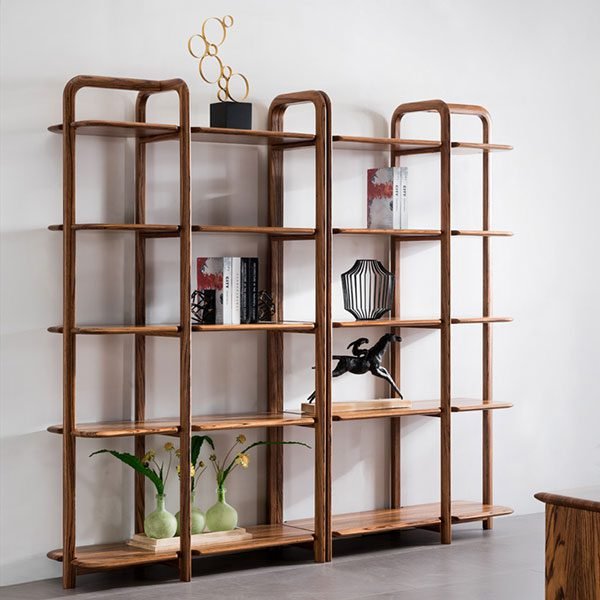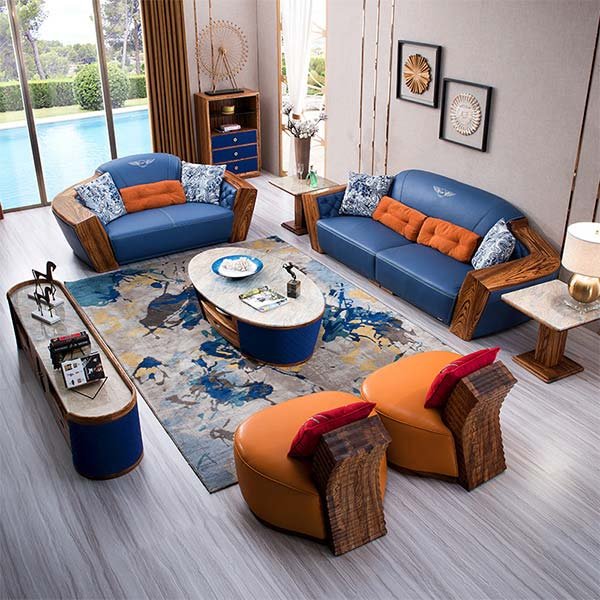
The Evolution of Modern Furniture: Blending Form and Function
The Evolution of Modern Furniture: Blending Form and Function
Furniture has always been an essential part of human life. From the earliest civilizations to the present day, people have relied on furniture to provide comfort, support, and aesthetic appeal. Over time, furniture has evolved to meet the changing needs and tastes of society. One of the most significant developments in furniture design is the emergence of modern furniture, which seamlessly blends form and function.
The roots of modern furniture can be traced back to the late 19th and early 20th centuries, when a group of designers and architects sought to break away from the ornate and elaborate styles of the past. They believed that furniture should be simple, practical, and beautiful. This movement, known as modernism, was a response to the industrial revolution and the changing social and cultural landscape of the time.
One of the key figures in the development of modern furniture was the German architect and designer, Ludwig Mies van der Rohe. He famously declared that “less is more,” advocating for clean lines, minimal ornamentation, and the use of new materials such as steel and glass. His iconic Barcelona chair, designed for the German Pavilion at the 1929 International Exposition in Barcelona, is a perfect example of the marriage of form and function. Its sleek, geometric design is both visually striking and comfortable to sit in.
Another influential figure in the evolution of modern furniture was the American designer Charles Eames. Alongside his wife, Ray Eames, he experimented with new materials and manufacturing techniques to create furniture that was both innovative and affordable. Their molded plywood chairs, such as the iconic Eames Lounge Chair and Ottoman, are still considered design classics today. These chairs not only look stylish but also provide exceptional comfort and support.
As modern furniture continued to evolve, designers began to explore new ways of incorporating technology into their creations. The advent of mass production and the availability of new materials and manufacturing techniques allowed for greater experimentation and innovation. Designers like Arne Jacobsen and Eero Saarinen embraced these opportunities, creating furniture that was not only functional but also visually striking.
One of the defining characteristics of modern furniture is its versatility. Many pieces are designed to be modular, allowing users to customize and adapt them to their specific needs. This flexibility is particularly evident in the work of designers like Verner Panton and Joe Colombo, who created furniture that could be rearranged and reconfigured to suit different spaces and purposes.
In recent years, the concept of sustainability has become increasingly important in the world of furniture design. Modern furniture designers are now incorporating eco-friendly materials and manufacturing processes into their creations. This focus on sustainability is not only good for the environment but also for the longevity and durability of the furniture itself.
In conclusion, the evolution of modern furniture has been a journey of blending form and function. From the simplicity and elegance of Ludwig Mies van der Rohe’s Barcelona chair to the innovative use of materials by Charles and Ray Eames, modern furniture continues to push the boundaries of design. With its emphasis on clean lines, practicality, and versatility, modern furniture is not only aesthetically pleasing but also functional and adaptable. As we move forward, it is likely that the marriage of form and function will continue to shape the future of furniture design.
Exploring the Aesthetics of Modern Furniture: Balancing Style and Practicality
The marriage of form and function is a concept that has long been embraced in the world of design. Nowhere is this more evident than in the realm of modern furniture. With its sleek lines, minimalist aesthetic, and emphasis on practicality, modern furniture has become a staple in many homes and offices around the world.
One of the key aspects of modern furniture is its ability to balance style and practicality. Unlike traditional furniture, which often prioritizes ornate details and intricate designs, modern furniture takes a more streamlined approach. This focus on simplicity allows modern furniture to seamlessly blend into any space, whether it be a contemporary loft or a traditional home.
In addition to its aesthetic appeal, modern furniture is also highly functional. Many pieces are designed with multiple uses in mind, making them perfect for small spaces or those who value versatility. For example, a modern sofa may feature a built-in storage compartment or the ability to transform into a bed. These innovative features not only save space but also add an element of convenience to everyday life.
Another aspect of modern furniture that sets it apart is its use of innovative materials. While traditional furniture often relies on wood and upholstery, modern furniture embraces a wide range of materials, including metal, glass, and plastic. These materials not only contribute to the sleek and contemporary look of modern furniture but also offer durability and ease of maintenance. This makes modern furniture a practical choice for those who lead busy lives and want furniture that can withstand the wear and tear of everyday use.
When it comes to choosing modern furniture, there are a few key considerations to keep in mind. First and foremost, it’s important to consider the overall aesthetic of your space. Modern furniture comes in a variety of styles, from mid-century modern to contemporary, so it’s important to choose pieces that complement your existing decor.
Additionally, it’s important to consider the functionality of the furniture. Think about how you plan to use the piece and whether it offers any additional features that would enhance its practicality. For example, if you’re in need of a dining table, consider one with extendable leaves or a built-in storage compartment.
Finally, don’t forget to consider the quality of the furniture. While modern furniture can be found at a range of price points, it’s important to invest in pieces that are well-made and built to last. Look for furniture that is made from high-quality materials and features solid construction.
In conclusion, modern furniture offers a perfect balance of style and practicality. With its sleek lines, minimalist aesthetic, and innovative features, modern furniture has become a staple in many homes and offices. By considering the overall aesthetic, functionality, and quality of the furniture, you can find the perfect modern pieces to enhance your space and make everyday life more convenient.
The Impact of Modern Furniture on Interior Design: Creating Functional and Stylish Spaces
The marriage of form and function is a fundamental principle in the world of modern furniture. Gone are the days when furniture was merely a practical necessity. Today, furniture is seen as an essential element in interior design, creating functional and stylish spaces that reflect our personal taste and lifestyle.
Modern furniture has had a significant impact on interior design, revolutionizing the way we think about our living spaces. With its sleek lines, minimalist designs, and innovative materials, modern furniture has become synonymous with contemporary living. It has transformed our homes into havens of style and comfort, where every piece of furniture serves a purpose and adds to the overall aesthetic appeal.
One of the key aspects of modern furniture is its focus on functionality. Unlike traditional furniture, which often prioritized ornate details and decorative elements, modern furniture is designed with practicality in mind. Every piece is carefully crafted to serve a specific purpose, whether it’s a sofa that provides maximum comfort or a coffee table with built-in storage space. This emphasis on functionality ensures that modern furniture not only looks good but also enhances the usability of our living spaces.
In addition to its functional aspects, modern furniture also brings a sense of style and sophistication to interior design. Its clean lines and minimalist designs create a sense of openness and simplicity, making our living spaces feel more spacious and uncluttered. The use of innovative materials, such as glass, metal, and plastic, adds a touch of modernity and elegance to any room. Whether it’s a sleek dining table or a contemporary lounge chair, modern furniture has the ability to transform an ordinary space into a stylish and inviting environment.
Furthermore, modern furniture offers endless possibilities for customization and personalization. With a wide range of colors, finishes, and fabrics to choose from, we can create furniture that perfectly matches our individual style and preferences. Whether we prefer bold and vibrant colors or subtle and neutral tones, modern furniture allows us to express our personality and create a space that is uniquely ours.
The impact of modern furniture on interior design goes beyond aesthetics. It also influences the way we live and interact with our living spaces. With its focus on functionality, modern furniture encourages us to be more organized and efficient in our daily lives. The incorporation of storage solutions and multi-functional pieces helps us maximize the use of space and keep our homes tidy and clutter-free.
In conclusion, modern furniture has revolutionized interior design by marrying form and function. Its sleek designs, innovative materials, and emphasis on functionality have transformed our living spaces into stylish and practical environments. Modern furniture not only enhances the aesthetic appeal of our homes but also improves the way we live and interact with our surroundings. With its endless possibilities for customization and personalization, modern furniture allows us to create spaces that reflect our individual style and preferences. So, whether you’re looking to update your living room or revamp your dining area, modern furniture is the essential element that will elevate your interior design to new heights.
Conclusion
In conclusion, the marriage of form and function is essential in modern furniture design. The combination of aesthetic appeal and practicality creates furniture pieces that not only enhance the visual appeal of a space but also serve their intended purpose effectively. By prioritizing both form and function, modern furniture essentials offer a harmonious blend of style and usability, catering to the needs and preferences of contemporary lifestyles.