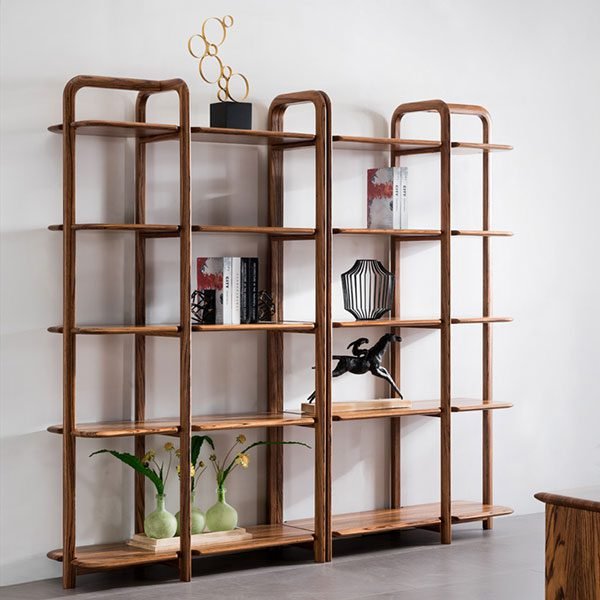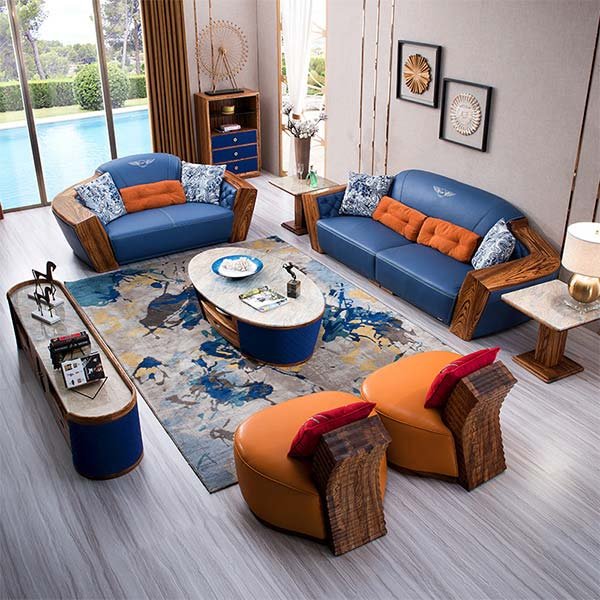
Embrace the essence of nature with earthy tones in modern furniture design.
The Impact of Natural Materials in Contemporary Furniture Design
The use of natural materials in contemporary furniture design has become increasingly popular in recent years. Designers are embracing the beauty and versatility of earthy tones, incorporating them into their creations to create a sense of harmony and connection with nature. This article will explore the impact of natural materials in modern furniture design and how they have influenced the industry.
One of the key reasons for the rise in popularity of earthy tones in furniture design is the growing awareness of environmental issues. As people become more conscious of the impact of their choices on the planet, they are seeking out sustainable and eco-friendly options. Natural materials such as wood, bamboo, and rattan are renewable resources that can be harvested without causing significant harm to the environment. By using these materials in furniture design, designers are able to create pieces that are not only aesthetically pleasing but also environmentally responsible.
In addition to their eco-friendly qualities, natural materials also offer a unique and timeless beauty. The warm tones and textures of wood, for example, can add a sense of warmth and comfort to any space. Whether it’s a sleek and modern dining table or a rustic and cozy armchair, the use of wood in furniture design can create a sense of connection with nature and bring a touch of the outdoors into the home.
Another advantage of using natural materials in furniture design is their versatility. Earthy tones can be easily incorporated into a variety of design styles, from minimalist and contemporary to bohemian and eclectic. Whether it’s a sleek and modern dining table or a rustic and cozy armchair, the use of earthy tones can create a sense of harmony and balance in any space.
Furthermore, natural materials are known for their durability and longevity. Unlike synthetic materials, which can deteriorate over time, natural materials such as wood and bamboo are known for their strength and resilience. This makes them an excellent choice for furniture that is meant to last. By investing in furniture made from natural materials, consumers can be confident that they are purchasing a high-quality product that will stand the test of time.
The influence of nature in modern furniture design goes beyond the use of natural materials. Designers are also drawing inspiration from the shapes and forms found in the natural world. From the graceful curves of a tree branch to the intricate patterns of a leaf, nature offers a wealth of inspiration for furniture designers. By incorporating these organic shapes and forms into their creations, designers are able to create pieces that are not only visually appealing but also functional and ergonomic.
In conclusion, the use of natural materials in contemporary furniture design has had a significant impact on the industry. From their eco-friendly qualities to their timeless beauty and versatility, earthy tones have become a popular choice among designers and consumers alike. By embracing the influence of nature, designers are able to create furniture that not only enhances the aesthetic appeal of a space but also promotes a sense of harmony and connection with the natural world. Whether it’s a sleek and modern dining table or a rustic and cozy armchair, the use of earthy tones in furniture design is a trend that is here to stay.
Exploring the Role of Organic Shapes in Modern Furniture
The world of furniture design is constantly evolving, with new trends and styles emerging each year. One trend that has gained significant popularity in recent years is the use of earthy tones and organic shapes in modern furniture design. This trend draws inspiration from nature, bringing a sense of calm and tranquility into our living spaces.
Organic shapes, also known as biomorphic shapes, are those that mimic the forms found in nature. These shapes are often asymmetrical and irregular, reflecting the imperfections and uniqueness of the natural world. By incorporating organic shapes into furniture design, designers are able to create pieces that feel more connected to the environment and evoke a sense of harmony.
One of the key benefits of using organic shapes in furniture design is the ability to create a more comfortable and ergonomic seating experience. Traditional furniture designs often prioritize straight lines and rigid forms, which can be uncomfortable for extended periods of sitting. By incorporating organic shapes, designers are able to create furniture that conforms to the natural curves of the body, providing a more supportive and comfortable seating experience.
In addition to the ergonomic benefits, organic shapes also add visual interest to furniture design. The irregular and asymmetrical forms create a sense of movement and dynamism, making the furniture more visually appealing. This can be particularly effective in minimalist or monochromatic interiors, where the organic shapes can serve as a focal point and add a touch of warmth and personality to the space.
Another way that organic shapes are being incorporated into modern furniture design is through the use of natural materials. Many designers are opting for materials such as wood, rattan, and bamboo, which not only have a natural aesthetic but also have a lower environmental impact compared to synthetic materials. By using these materials, designers are able to create furniture that is not only visually appealing but also sustainable and eco-friendly.
The use of earthy tones is another key element in modern furniture design. Earthy tones, such as browns, greens, and neutrals, are inspired by the colors found in nature. These colors create a sense of warmth and grounding, making them perfect for creating a cozy and inviting atmosphere in our homes. By incorporating earthy tones into furniture design, designers are able to create pieces that seamlessly blend with the natural environment, bringing a sense of tranquility and serenity into our living spaces.
In conclusion, the use of organic shapes and earthy tones in modern furniture design has become increasingly popular in recent years. By drawing inspiration from nature, designers are able to create furniture that is not only visually appealing but also comfortable and sustainable. Whether it’s through the use of organic shapes, natural materials, or earthy tones, this trend brings a sense of calm and tranquility into our living spaces, allowing us to connect with the natural world even when indoors. So, if you’re looking to update your home decor, consider incorporating some earthy tones and organic shapes into your furniture design for a touch of nature-inspired elegance.
Harmonizing Indoor and Outdoor Spaces: Incorporating Nature in Furniture Design
The Influence of Nature: Earthy Tones in Modern Furniture Design
In recent years, there has been a growing trend in furniture design that seeks to harmonize indoor and outdoor spaces by incorporating elements of nature. This trend is not only aesthetically pleasing but also has a profound impact on our well-being. One way designers are achieving this is through the use of earthy tones in modern furniture design.
Earthy tones, such as shades of brown, green, and beige, are reminiscent of the natural world. They evoke a sense of calmness and tranquility, bringing the outdoors inside and creating a harmonious connection between our living spaces and the environment. By incorporating these tones into furniture design, designers are able to create a sense of balance and serenity in our homes.
One of the ways earthy tones are being used in modern furniture design is through the use of natural materials. Wood, for example, is a popular choice for furniture designers looking to create a connection with nature. Whether it’s a dining table made from reclaimed wood or a chair crafted from solid oak, the use of natural materials adds warmth and character to a space. These earthy tones can be further enhanced by the use of natural finishes, such as beeswax or linseed oil, which bring out the natural beauty of the wood.
Another way earthy tones are being incorporated into modern furniture design is through the use of upholstery fabrics. Fabrics in shades of brown, green, and beige can create a sense of grounding and stability in a space. Whether it’s a sofa upholstered in a rich chocolate brown or a chair covered in a soft moss green, these earthy tones add depth and texture to a room. Additionally, fabrics made from natural fibers, such as linen or cotton, not only add to the earthy aesthetic but also have the added benefit of being sustainable and eco-friendly.
In addition to natural materials and upholstery fabrics, earthy tones can also be found in the finishes and accents of modern furniture. For example, metal accents in shades of bronze or copper can add a touch of warmth and earthiness to a piece. Similarly, stone or marble finishes can create a sense of solidity and connection to the natural world. These subtle details can make a big impact in creating a cohesive and harmonious space.
The use of earthy tones in modern furniture design is not just a passing trend but a reflection of our desire to reconnect with nature in our increasingly urbanized lives. By incorporating these tones into our living spaces, we are able to create a sense of balance and tranquility that is often lacking in our fast-paced world. Whether it’s through the use of natural materials, upholstery fabrics, or finishes and accents, the influence of nature in furniture design is undeniable.
In conclusion, the use of earthy tones in modern furniture design is a powerful way to harmonize indoor and outdoor spaces. By incorporating these tones into our living spaces, we are able to create a sense of balance and tranquility that is often lacking in our fast-paced world. Whether it’s through the use of natural materials, upholstery fabrics, or finishes and accents, the influence of nature in furniture design is undeniable. So, if you’re looking to create a space that is both aesthetically pleasing and conducive to your well-being, consider incorporating earthy tones into your furniture choices.
Conclusion
In conclusion, the influence of nature and earthy tones in modern furniture design is evident. Designers are increasingly incorporating natural elements and colors into their creations, creating a harmonious and calming atmosphere. The use of organic materials, earthy hues, and nature-inspired patterns not only adds aesthetic appeal but also promotes a sense of connection with the natural world. This trend reflects a growing appreciation for sustainability and a desire to bring the outdoors inside, creating a more balanced and serene living environment.