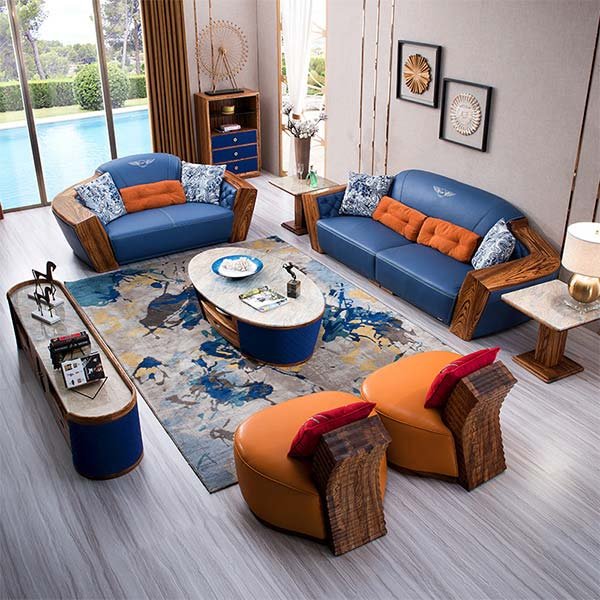
“Revolutionizing comfort and style, The Future of Sofa Design in 2024: Embrace the Next Level of Innovation.”
Sustainability in sofa design
Sustainability in sofa design is becoming an increasingly important consideration for both consumers and manufacturers. As we look towards the future of sofa design in 2024, it is clear that sustainability will play a significant role in shaping the industry. In this article, we will explore the trends to watch for in sustainable sofa design.
One of the key trends in sustainable sofa design is the use of eco-friendly materials. Manufacturers are now opting for materials that have a lower environmental impact, such as recycled or upcycled fabrics, organic cotton, and natural fibers. These materials not only reduce waste but also minimize the use of harmful chemicals in the production process.
Another trend to watch for is the incorporation of renewable energy sources in sofa manufacturing. As the world becomes more conscious of the need to reduce carbon emissions, furniture companies are exploring ways to power their production facilities using renewable energy. This not only reduces their carbon footprint but also sets an example for other industries to follow.
In addition to materials and energy sources, sustainable sofa design also focuses on the longevity of the product. Rather than creating disposable furniture, manufacturers are now designing sofas that are built to last. This includes using high-quality materials, sturdy construction techniques, and modular designs that allow for easy repairs and replacements of individual components.
Furthermore, the concept of circular economy is gaining traction in the sofa design industry. Instead of the traditional linear model of production and consumption, where products are discarded after use, the circular economy aims to create a closed-loop system. This means that at the end of a sofa’s life, it can be recycled or repurposed into new products, reducing waste and conserving resources.
To promote sustainability in sofa design, manufacturers are also embracing ethical and fair trade practices. This includes ensuring that workers involved in the production process are paid fair wages and work in safe conditions. Additionally, companies are increasingly transparent about their supply chains, providing consumers with information about the origins of the materials used in their sofas.
As consumers become more aware of the environmental impact of their purchasing decisions, they are demanding sustainable options. This has led to the rise of eco-conscious furniture brands that prioritize sustainability in their designs. These brands often use innovative techniques, such as 3D printing or modular construction, to create customizable and environmentally friendly sofas.
In conclusion, sustainability is a key consideration in the future of sofa design. From the use of eco-friendly materials to the incorporation of renewable energy sources, manufacturers are embracing sustainable practices to reduce their environmental impact. The focus on longevity, circular economy, and ethical practices further reinforces the commitment to sustainability. As consumers become more conscious of their choices, the demand for sustainable sofas will continue to grow. By staying ahead of these trends, manufacturers can ensure that they are meeting the needs of environmentally conscious consumers in 2024 and beyond.
Integration of technology in sofas
The integration of technology in sofas is a trend that is rapidly gaining popularity in the world of furniture design. As we look towards the future of sofa design in 2024, it is clear that technology will play a significant role in shaping the way we interact with our furniture.
One of the most exciting developments in this area is the incorporation of smart features into sofas. Imagine a sofa that can adjust its firmness and temperature based on your preferences, or one that can track your posture and provide feedback on how to improve it. These smart sofas will not only enhance comfort but also promote better health and well-being.
Another aspect of technology integration in sofas is the inclusion of built-in charging ports and wireless charging capabilities. With the increasing reliance on smartphones and other electronic devices, having a convenient way to charge them while relaxing on the sofa is a game-changer. No more searching for outlets or dealing with tangled cords – simply place your device on the designated charging spot and let it power up.
In addition to smart features and charging capabilities, technology is also being used to enhance the entertainment experience on sofas. Many sofas now come equipped with built-in speakers and Bluetooth connectivity, allowing you to wirelessly stream music or movies directly from your smartphone or tablet. This integration of technology not only eliminates the need for additional speakers but also creates a more immersive and enjoyable entertainment experience.
Furthermore, the integration of technology in sofas extends beyond just functionality. Designers are now incorporating LED lighting into the structure of sofas, creating a visually stunning effect. These LED lights can be customized to match the mood or ambiance of the room, adding a touch of elegance and sophistication to any living space.
As we look ahead to 2024, it is clear that the integration of technology in sofas will continue to evolve and improve. With advancements in artificial intelligence and machine learning, we can expect sofas to become even smarter and more intuitive. They will be able to learn our preferences and adjust accordingly, creating a truly personalized seating experience.
In conclusion, the future of sofa design in 2024 will be heavily influenced by the integration of technology. From smart features and charging capabilities to enhanced entertainment experiences and LED lighting, technology is transforming the way we interact with our sofas. As we embrace these advancements, we can look forward to a more comfortable, convenient, and visually appealing seating experience in the years to come.
Modular and customizable sofa designs
Modular and customizable sofa designs have been gaining popularity in recent years, and this trend is expected to continue into the future. As we look ahead to 2024, it’s clear that the future of sofa design will be marked by innovative and versatile modular options that allow for personalization and adaptability.
One of the key advantages of modular sofas is their ability to be easily rearranged and reconfigured to suit different spaces and needs. With the rise of smaller living spaces and the increasing desire for flexibility in furniture, modular designs offer a practical solution. Whether you need extra seating for guests or want to create a cozy corner for relaxation, modular sofas can be easily adjusted to meet your requirements.
In addition to their adaptability, modular sofas also offer a wide range of customization options. From choosing the size and shape of each module to selecting the upholstery and finishes, homeowners can create a sofa that perfectly matches their style and preferences. This level of personalization allows for a truly unique and individualized piece of furniture that reflects the homeowner’s personality and taste.
Another trend to watch for in 2024 is the integration of technology into sofa designs. With the increasing reliance on smart devices and the Internet of Things, it’s no surprise that furniture designers are finding ways to incorporate technology into their creations. Imagine a sofa with built-in wireless charging capabilities or integrated speakers for a surround sound experience. These technological advancements not only enhance the functionality of the sofa but also add a touch of modernity and convenience to the living space.
Furthermore, sustainability and eco-friendliness will continue to be important considerations in sofa design. As consumers become more conscious of their environmental impact, furniture manufacturers are responding by using sustainable materials and production methods. In 2024, we can expect to see more sofas made from recycled or renewable materials, as well as designs that prioritize energy efficiency and waste reduction.
Lastly, comfort will always be a top priority in sofa design. In 2024, we can expect to see advancements in cushioning materials and ergonomic design to ensure maximum comfort and support. From memory foam to adjustable headrests and lumbar support, sofas will be designed with the utmost consideration for the user’s comfort and well-being.
In conclusion, the future of sofa design in 2024 will be characterized by modular and customizable options that offer adaptability and personalization. Integration of technology, sustainability, and comfort will also play significant roles in shaping the sofas of the future. As homeowners seek furniture that meets their individual needs and reflects their personal style, sofa designers will continue to innovate and push the boundaries of design. So, get ready to embrace the future of sofa design and create a living space that is both functional and stylish.
Заключение
Заключение о The Future of Sofa Design: Trends to Watch for in 2024:
В будущем дизайн диванов будет продолжать эволюционировать, отражая изменяющиеся потребности и предпочтения потребителей. Некоторые из ключевых тенденций, которые стоит следить в 2024 году, включают:
1. Многофункциональность: Диваны будут разработаны с учетом многофункциональности, чтобы соответствовать современному образу жизни. Они будут предлагать интегрированные столики, хранение и возможность превращения в спальное место.
2. Умные функции: С развитием технологий умный дизайн станет все более популярным. Диваны будут оснащены встроенными USB-портами, беспроводной зарядкой и возможностью подключения к умным устройствам.
3. Экологическая устойчивость: В 2024 году ожидается рост интереса к экологически устойчивым материалам и процессам производства. Диваны будут создаваться с использованием переработанных материалов и будут иметь низкий углеродный след.
4. Минималистический дизайн: Простота и минимализм будут оставаться популярными в дизайне диванов. Чистые линии, нейтральные цвета и простые формы будут доминировать.
5. Персонализация: Потребители будут искать диваны, которые можно настроить под свои индивидуальные предпочтения. Будет возможность выбирать различные ткани, цвета и конфигурации.
В целом, будущее дизайна диванов будет характеризоваться функциональностью, умными возможностями, экологической устойчивостью, минимализмом и персонализацией. Эти тенденции будут отражать потребности и желания современных потребителей.