“Where Tradition Meets Innovation: The Evolution of Modern Furniture Design”
The Influence of Art Movements on Modern Furniture Design
The Influence of Art Movements on Modern Furniture Design
Art movements have always played a significant role in shaping various aspects of our lives, including furniture design. From classic to contemporary, the evolution of modern furniture design has been greatly influenced by the ever-changing art movements throughout history. In this article, we will explore how different art movements have left their mark on the world of furniture design.
One of the earliest art movements to have a profound impact on furniture design was the Art Nouveau movement. Emerging in the late 19th century, Art Nouveau sought to break away from the traditional and embrace a more organic and natural aesthetic. This movement emphasized flowing lines, intricate patterns, and the use of materials such as wood and glass. Furniture designers of the time incorporated these elements into their creations, resulting in pieces that were both functional and visually striking.
As the 20th century dawned, the Art Deco movement took center stage. Known for its bold geometric shapes, luxurious materials, and glamorous style, Art Deco had a significant influence on furniture design. The use of exotic woods, such as ebony and mahogany, became popular, and designers began experimenting with new materials like chrome and glass. The sleek and streamlined designs of Art Deco furniture reflected the modernity and optimism of the time.
Following the devastation of World War II, a new art movement emerged – the Mid-Century Modern movement. This movement embraced simplicity, functionality, and the use of natural materials. Furniture designers focused on creating pieces that were practical and accessible to the masses. The iconic designs of this era, such as the Eames Lounge Chair and the Barcelona Chair, are still highly sought after today.
In the 1960s and 1970s, the Pop Art movement made its mark on furniture design. Pop Art celebrated popular culture and consumerism, and furniture designers incorporated bright colors, bold patterns, and unconventional materials into their creations. Plastic and acrylic became popular choices, and designs became more playful and whimsical. The influence of Pop Art can still be seen in contemporary furniture design, with its emphasis on bold colors and unconventional shapes.
In recent years, the rise of the Minimalist movement has had a significant impact on furniture design. Minimalism focuses on simplicity, clean lines, and the elimination of unnecessary ornamentation. Furniture designers have embraced this philosophy, creating sleek and minimalist pieces that prioritize function over form. The use of neutral colors and natural materials, such as wood and leather, is common in minimalist furniture design.
In conclusion, art movements have played a crucial role in shaping the evolution of modern furniture design. From the organic lines of Art Nouveau to the bold geometric shapes of Art Deco, each movement has left its mark on the world of furniture design. Whether it’s the simplicity of Mid-Century Modern or the playfulness of Pop Art, these art movements have influenced the materials, shapes, and styles of furniture throughout history. As we move forward, it will be fascinating to see how future art movements continue to shape the world of furniture design.
Exploring the Role of Technology in Contemporary Furniture Design
Exploring the Role of Technology in Contemporary Furniture Design
In the ever-evolving world of furniture design, technology has played a significant role in shaping the way we create and experience modern furniture. From the early days of handcrafted pieces to the mass production of the Industrial Revolution, technology has continuously pushed the boundaries of design. Today, contemporary furniture design is heavily influenced by technological advancements, allowing designers to create innovative and functional pieces that were once unimaginable.
One of the most significant ways technology has impacted contemporary furniture design is through the use of computer-aided design (CAD) software. CAD software allows designers to create detailed 3D models of their furniture designs, enabling them to visualize and refine their ideas before production. This technology has revolutionized the design process, making it more efficient and precise. Designers can now experiment with different materials, shapes, and sizes, ensuring that their creations are not only aesthetically pleasing but also functional and ergonomic.
Another area where technology has made a significant impact is in the materials used in contemporary furniture design. With the development of new materials and manufacturing techniques, designers have more options than ever before. For example, the use of lightweight and durable materials such as carbon fiber and fiberglass has allowed for the creation of sleek and minimalist furniture designs. These materials not only offer strength and durability but also allow for unique shapes and forms that were previously impossible to achieve.
Technology has also revolutionized the way furniture is manufactured. With the advent of computer numerical control (CNC) machines, furniture production has become faster, more precise, and more cost-effective. CNC machines can accurately cut and shape materials, resulting in seamless joints and intricate details. This level of precision was once only achievable through skilled craftsmanship, but now it can be replicated consistently through automated processes. Additionally, the use of 3D printing technology has opened up new possibilities in furniture design, allowing for the creation of complex and customizable pieces.
Furthermore, technology has transformed the way we interact with furniture. The integration of smart technology has made it possible for furniture to be more than just functional objects. Today, we have smart furniture that can adjust its shape, lighting, and temperature to suit our needs. For example, there are beds that can monitor our sleep patterns and adjust their firmness accordingly, or chairs that can provide personalized massages. These advancements in technology have not only enhanced our comfort but also improved our overall well-being.
In conclusion, technology has played a crucial role in the evolution of contemporary furniture design. From the use of CAD software to create detailed 3D models, to the development of new materials and manufacturing techniques, technology has pushed the boundaries of what is possible in furniture design. Additionally, the integration of smart technology has transformed furniture into interactive and personalized objects. As technology continues to advance, we can expect even more exciting innovations in the world of furniture design.
Reviving Classic Design Elements in Modern Furniture
Reviving Classic Design Elements in Modern Furniture
The world of furniture design has undergone a remarkable transformation over the years. From the ornate and intricate designs of the past to the sleek and minimalist styles of today, the evolution of modern furniture design has been nothing short of fascinating. One interesting trend that has emerged in recent years is the revival of classic design elements in modern furniture.
In the past, classic furniture design was characterized by its attention to detail and craftsmanship. Ornate carvings, intricate patterns, and luxurious materials were the hallmarks of classic furniture. However, as the world became more industrialized and mass production became the norm, classic design elements began to fade away.
But in recent years, there has been a renewed interest in classic design. Many furniture designers are now incorporating classic elements into their modern designs, creating a unique blend of old and new. This trend has been driven by a desire for nostalgia and a longing for the elegance and sophistication of the past.
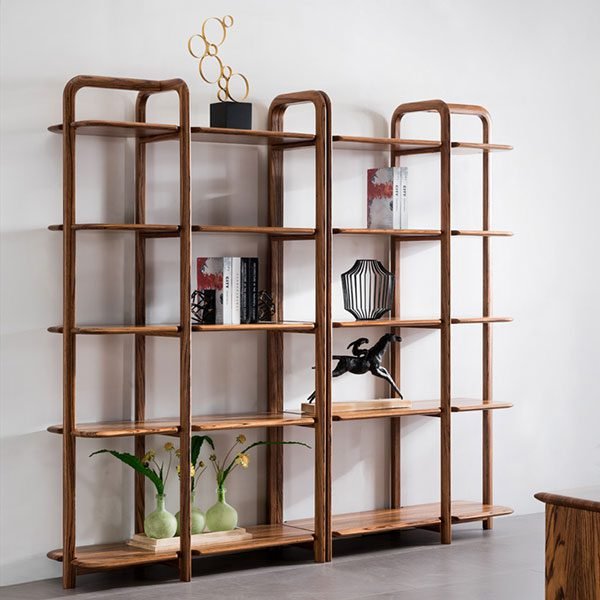
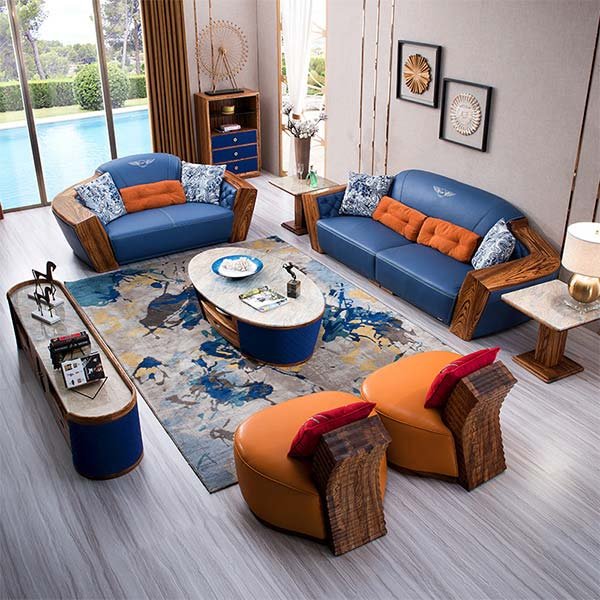
One classic design element that has made a comeback in modern furniture is the use of natural materials. In the past, furniture was often made from solid wood, with intricate carvings and embellishments. Today, many modern furniture pieces feature natural wood finishes, bringing a touch of warmth and authenticity to contemporary interiors.
Another classic design element that has been revived is the use of traditional patterns and motifs. From floral prints to geometric shapes, these timeless patterns add a sense of history and tradition to modern furniture. Whether it’s a chair upholstered in a classic damask fabric or a rug adorned with a traditional Persian design, these elements help to create a sense of nostalgia and elegance.
In addition to materials and patterns, classic furniture design also emphasized comfort and functionality. Many modern furniture designers are now incorporating these principles into their designs, creating pieces that are not only visually appealing but also comfortable and practical. From ergonomic chairs to modular sofas, these modern classics offer the best of both worlds – timeless design and modern comfort.
The revival of classic design elements in modern furniture is not just a passing trend. It is a reflection of our desire to connect with the past and to create spaces that are both beautiful and functional. By incorporating classic elements into their designs, furniture designers are able to create pieces that are not only visually stunning but also timeless.
In conclusion, the revival of classic design elements in modern furniture is a testament to the enduring appeal of these timeless styles. From the use of natural materials to the incorporation of traditional patterns and motifs, these elements add a sense of history and elegance to contemporary interiors. By blending old and new, furniture designers are able to create pieces that are both visually stunning and functional. So, whether you’re a fan of classic design or prefer a more contemporary style, there’s no denying the beauty and charm of modern furniture that pays homage to the past.
Заключение
Заключение: Эволюция современного дизайна мебели от классического к современному является фасцинирующим процессом, который отражает изменяющиеся вкусы и потребности общества. Классический дизайн мебели, характеризующийся элегантностью и изысканностью, постепенно уступает место современным стилям, которые отличаются минимализмом, функциональностью и инновационными материалами. Современные дизайнеры стремятся создавать мебель, которая сочетает в себе эстетику и практичность, а также отражает современные тенденции и технологии. Эволюция дизайна мебели продолжается, и мы можем ожидать еще большего разнообразия и экспериментов в будущем.