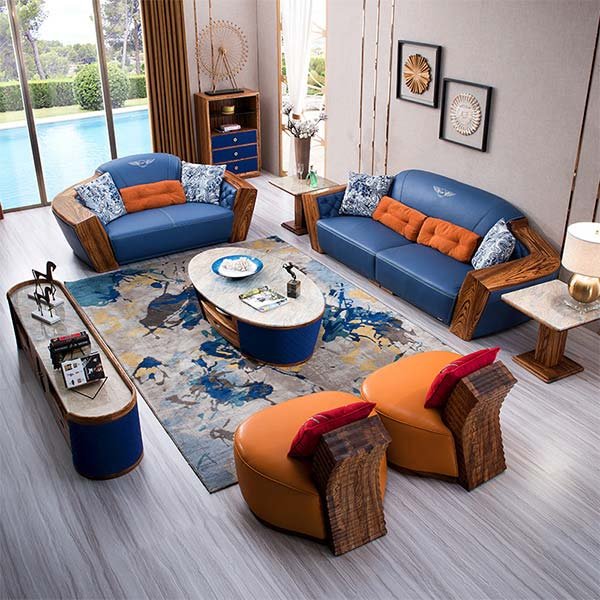
From Classic to Contemporary: Unveiling the Evolution of Living Room Sofas.
The History of Living Room Sofas: Tracing the Origins and Influences
The living room sofa is an essential piece of furniture that has evolved over the years, reflecting changing trends and styles. From classic designs to contemporary creations, the history of living room sofas is a fascinating journey that traces its origins and influences.
The concept of a sofa can be traced back to ancient civilizations, where people used raised platforms with cushions to sit on. These early versions were simple and functional, providing a comfortable seating arrangement. As time went on, the design of sofas became more elaborate, with intricate carvings and luxurious fabrics.
During the Renaissance period, sofas became a symbol of wealth and status. They were often adorned with ornate details and made from expensive materials such as velvet and silk. These sofas were not only functional but also served as a statement piece in the grand living rooms of the aristocracy.
In the 18th century, the popularity of sofas grew, and they became more accessible to the middle class. This was due to advancements in manufacturing techniques and the Industrial Revolution. Sofas were now being mass-produced, making them more affordable for a wider range of people.
The Victorian era saw a shift in sofa design, with a focus on comfort and relaxation. Sofas became larger and more plush, with deep seats and soft cushions. This was a reflection of the changing lifestyle of the time, as people began to prioritize leisure and comfort in their homes.
The 20th century brought about significant changes in sofa design, influenced by various art movements and cultural shifts. The Art Deco movement of the 1920s introduced sleek and geometric designs, with sofas featuring clean lines and bold colors. This style was a departure from the ornate and elaborate designs of the past, embracing a more modern aesthetic.
In the mid-20th century, the rise of modernism had a profound impact on sofa design. Influenced by the Bauhaus movement, sofas became more minimalist and functional. The focus was on simplicity and practicality, with clean lines and neutral colors. This style emphasized the use of new materials such as steel and leather, giving sofas a sleek and contemporary look.
As we entered the 21st century, the concept of the living room sofa continued to evolve. With advancements in technology and a growing emphasis on sustainability, designers began to experiment with new materials and innovative designs. Sofas made from recycled materials and modular designs that could be easily rearranged became popular choices for eco-conscious consumers.
Contemporary living room sofas now come in a wide range of styles, catering to different tastes and preferences. From sleek and minimalist designs to oversized and cozy options, there is a sofa for every home and lifestyle. The focus is on creating a comfortable and inviting space that reflects the individuality of the homeowner.
In conclusion, the history of living room sofas is a testament to the ever-changing nature of design and style. From the simple platforms of ancient civilizations to the luxurious and ornate sofas of the Renaissance, and the sleek and minimalist designs of the modern era, sofas have evolved to meet the needs and desires of each generation. As we continue to embrace new technologies and design principles, it will be fascinating to see how the living room sofa continues to evolve in the future.
Exploring the Transformation of Sofa Designs: From Classic to Contemporary
The living room sofa has long been a staple in homes around the world. It is a piece of furniture that not only provides comfort but also serves as a focal point in the room. Over the years, the design of sofas has evolved, reflecting changes in style, technology, and the way we live.
In the early days, sofas were often large and ornate, with intricate carvings and luxurious upholstery. These classic designs were a symbol of wealth and status, and they were often found in the homes of the elite. The materials used were typically rich and expensive, such as velvet, silk, and leather. These sofas were not only functional but also works of art, showcasing the craftsmanship of skilled artisans.
As time went on, the design of sofas began to change. With the rise of industrialization and mass production, sofas became more accessible to the middle class. The ornate carvings and expensive materials were replaced with simpler, more streamlined designs. The focus shifted from luxury to functionality, with comfort becoming a top priority. Sofas were now designed to accommodate multiple people, with larger seating areas and more cushioning.
In the mid-20th century, a new wave of design emerged that would forever change the way we think about sofas. The modernist movement brought with it a minimalist aesthetic, characterized by clean lines and simple forms. Designers like Le Corbusier and Charles and Ray Eames embraced this new style, creating sofas that were sleek and understated. These designs were a departure from the traditional, ornate sofas of the past, and they reflected a shift in society towards a more modern and progressive mindset.
In recent years, contemporary sofa designs have continued to evolve, incorporating new materials and technologies. One of the most notable trends is the use of modular sofas, which allow for customization and flexibility. These sofas consist of individual pieces that can be rearranged to create different seating configurations. This design innovation has become increasingly popular, as it allows homeowners to adapt their sofas to their changing needs and living spaces.
Another trend in contemporary sofa design is the use of sustainable materials. With growing concerns about the environment, many designers are opting for eco-friendly options such as recycled materials and organic fabrics. These sofas not only look stylish but also contribute to a more sustainable future.
In conclusion, the evolution of living room sofas from classic to contemporary has been a reflection of changing tastes, lifestyles, and design philosophies. From the ornate and luxurious designs of the past to the sleek and minimalist styles of the modern era, sofas have adapted to meet the needs and desires of homeowners. As we continue to embrace new technologies and prioritize sustainability, it will be interesting to see how sofa designs will continue to evolve in the future.
The Impact of Technology on Modern Living Room Sofas: Innovations and Advancements
The Impact of Technology on Modern Living Room Sofas: Innovations and Advancements
In today’s fast-paced world, technology has infiltrated every aspect of our lives, including our living room sofas. Gone are the days of simple, traditional designs. With the advent of new technologies, living room sofas have undergone a remarkable transformation, both in terms of aesthetics and functionality.
One of the most significant advancements in modern living room sofas is the integration of smart technology. These sofas are equipped with built-in USB ports, wireless charging pads, and even voice-activated controls. This integration allows users to charge their devices conveniently while lounging on the sofa, eliminating the need for messy cables and adapters. Additionally, voice-activated controls enable users to adjust the sofa’s position, recline, or even activate massage features with a simple command.
Another technological innovation that has revolutionized modern living room sofas is the use of adjustable features. In the past, sofas were static pieces of furniture, offering limited comfort options. However, with the introduction of adjustable features, users can now customize their seating experience to suit their preferences. Sofas with adjustable headrests, footrests, and even lumbar support provide unparalleled comfort and support, ensuring a truly personalized seating experience.
Furthermore, technology has also played a significant role in enhancing the durability and longevity of modern living room sofas. Advanced materials and manufacturing techniques have made sofas more resistant to wear and tear, ensuring that they can withstand the test of time. For instance, the use of high-quality leather or stain-resistant fabrics makes sofas more resistant to spills and stains, making them ideal for households with children or pets. Additionally, the incorporation of reinforced frames and high-density foam cushions ensures that modern sofas retain their shape and support even after years of use.
The integration of technology has not only improved the functionality of modern living room sofas but has also expanded their design possibilities. With the use of computer-aided design (CAD) software, designers can now create intricate and innovative sofa designs that were once unimaginable. From sleek, minimalist designs to bold, avant-garde shapes, modern living room sofas come in a wide range of styles to suit every taste and interior decor.
Moreover, technology has also allowed for the development of modular sofas, which offer unparalleled flexibility and versatility. These sofas consist of individual sections that can be rearranged and reconfigured to create different seating arrangements. This modular design allows users to adapt their sofas to different spaces and occasions, making them ideal for small apartments or homes with limited living room space.
In conclusion, technology has had a profound impact on modern living room sofas, transforming them from simple pieces of furniture to innovative and functional works of art. The integration of smart technology, adjustable features, and advanced materials has revolutionized the way we experience comfort and convenience in our living rooms. Furthermore, technology has expanded the design possibilities, allowing for the creation of unique and versatile sofas that can adapt to any space or occasion. As technology continues to advance, it is exciting to imagine what the future holds for the evolution of living room sofas.
Conclusion
In conclusion, the evolution of living room sofas has seen a significant shift from classic to contemporary designs. Over time, sofas have transformed in terms of style, materials, and functionality to meet the changing needs and preferences of homeowners. Classic sofas were characterized by ornate details, traditional upholstery, and formal designs, while contemporary sofas feature sleek lines, minimalist aesthetics, and innovative features. This evolution reflects the ever-changing trends in interior design and the desire for more versatile and comfortable seating options in modern living spaces.