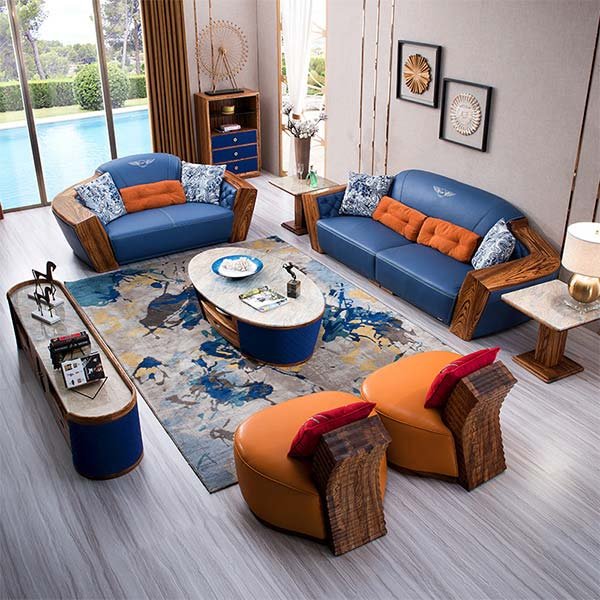
“Choose sustainable dining room furniture for a greener future.”
Sustainable Materials Used in Dining Room Furniture Production
Dining room furniture is an essential part of any home, providing a place for families and friends to gather and share meals together. However, the production of dining room furniture can have a significant impact on the environment. From the harvesting of raw materials to the manufacturing process, there are many steps involved in creating dining room furniture that can contribute to environmental degradation.
One way that furniture manufacturers can reduce the environmental impact of their products is by using sustainable materials. Sustainable materials are those that are sourced in a way that minimizes harm to the environment and ensures that the resource will be available for future generations. This can include materials that are renewable, such as wood from responsibly managed forests, or materials that are recycled or upcycled.
One common sustainable material used in dining room furniture production is wood from sustainably managed forests. Forest Stewardship Council (FSC) certification is a widely recognized standard for sustainable forestry practices, ensuring that wood is harvested in a way that protects biodiversity, water quality, and the rights of indigenous peoples. By using FSC-certified wood, furniture manufacturers can help to reduce deforestation and promote responsible land management.
Another sustainable material that is gaining popularity in the furniture industry is bamboo. Bamboo is a fast-growing grass that can be harvested in as little as three to five years, making it a highly renewable resource. In addition, bamboo is naturally resistant to pests and diseases, reducing the need for harmful pesticides and fertilizers. Bamboo furniture is not only eco-friendly but also durable and stylish, making it a popular choice for environmentally conscious consumers.
In addition to using sustainable materials, furniture manufacturers can also reduce the environmental impact of their products by choosing eco-friendly production methods. This can include using non-toxic adhesives and finishes, minimizing waste during the manufacturing process, and reducing energy consumption. By implementing these practices, manufacturers can create dining room furniture that is not only beautiful and functional but also environmentally friendly.
Transitioning to sustainable materials and production methods in the furniture industry is an important step towards reducing the environmental impact of dining room furniture production. By choosing materials that are responsibly sourced and manufacturing products in a way that minimizes harm to the environment, furniture manufacturers can help to protect natural resources and promote a more sustainable future.
In conclusion, the production of dining room furniture can have a significant impact on the environment, from the harvesting of raw materials to the manufacturing process. By using sustainable materials such as FSC-certified wood and bamboo, and implementing eco-friendly production methods, furniture manufacturers can reduce the environmental impact of their products. Making environmentally conscious choices when it comes to dining room furniture can help to protect the planet for future generations.
Carbon Footprint of Dining Room Furniture Manufacturing
Dining room furniture is an essential part of any home, providing a place for families to gather and share meals together. However, the production of dining room furniture can have a significant impact on the environment. One of the key factors contributing to this impact is the carbon footprint of manufacturing dining room furniture.
The carbon footprint of a product is the total amount of greenhouse gases emitted during its production, transportation, use, and disposal. When it comes to dining room furniture, the manufacturing process is a major contributor to its carbon footprint. This includes the extraction of raw materials, such as wood, metal, and plastic, as well as the processing and assembly of these materials into finished products.
The extraction of raw materials for dining room furniture production can have a significant impact on the environment. For example, the logging of trees for wood furniture can lead to deforestation, habitat destruction, and loss of biodiversity. In addition, the processing of raw materials, such as the refining of metal or the production of plastic, can result in the release of greenhouse gases and other pollutants into the atmosphere.
Once the raw materials have been extracted and processed, they must be transported to manufacturing facilities for assembly. This transportation process can further contribute to the carbon footprint of dining room furniture production, as it often involves the use of fossil fuels and the emission of greenhouse gases.
The manufacturing process itself also generates greenhouse gas emissions. This can occur through the use of energy-intensive machinery, such as saws, drills, and presses, as well as the heating and cooling of manufacturing facilities. In addition, the production of furniture finishes, such as paints and varnishes, can release volatile organic compounds (VOCs) into the atmosphere, contributing to air pollution and climate change.
Overall, the carbon footprint of dining room furniture manufacturing can be significant, depending on factors such as the type of materials used, the manufacturing processes employed, and the transportation methods utilized. As consumers become more aware of the environmental impact of their purchasing decisions, there is a growing demand for sustainable and eco-friendly dining room furniture options.
One way to reduce the carbon footprint of dining room furniture production is to choose products that are made from sustainable materials, such as FSC-certified wood or recycled metal. In addition, selecting furniture that is manufactured using energy-efficient processes and renewable energy sources can help to minimize greenhouse gas emissions.
Another way to reduce the environmental impact of dining room furniture production is to support companies that prioritize sustainability and environmental stewardship. This can include choosing furniture manufacturers that have implemented eco-friendly practices, such as recycling waste materials, reducing water usage, and minimizing energy consumption.
In conclusion, the carbon footprint of dining room furniture manufacturing is a significant environmental issue that should not be overlooked. By choosing sustainable and eco-friendly dining room furniture options, consumers can help to reduce the environmental impact of their purchasing decisions and support companies that are committed to protecting the planet for future generations.
Recycling and Upcycling Options for Dining Room Furniture
The production of dining room furniture has a significant environmental impact that often goes unnoticed by consumers. From the harvesting of raw materials to the manufacturing process and transportation, each step in the production chain contributes to carbon emissions, deforestation, and waste generation. As awareness of environmental issues grows, more people are seeking sustainable alternatives for their home furnishings. One way to reduce the environmental impact of dining room furniture is through recycling and upcycling.
Recycling involves breaking down old furniture into its raw materials and reusing them to create new pieces. This process helps to reduce the demand for new resources and minimizes waste going to landfills. Many furniture manufacturers are now incorporating recycled materials into their products, such as reclaimed wood, metal, and plastic. By choosing recycled dining room furniture, consumers can help to conserve natural resources and reduce their carbon footprint.
Upcycling is another eco-friendly option for dining room furniture. This involves repurposing old or discarded items into new, functional pieces. Upcycling not only reduces waste but also adds a unique and personalized touch to your home decor. There are countless creative ways to upcycle furniture, such as turning an old door into a dining table or transforming a dresser into a buffet. By upcycling furniture, you can give new life to old items and contribute to a more sustainable lifestyle.
When shopping for dining room furniture, consider looking for pieces that are made from recycled or upcycled materials. Many eco-conscious brands offer a wide range of sustainable options, from tables and chairs to cabinets and sideboards. By choosing these products, you can support environmentally responsible practices and help to reduce the impact of furniture production on the planet.
In addition to buying recycled or upcycled furniture, there are other ways to make your dining room more sustainable. Consider investing in high-quality, durable pieces that will last for years to come. By choosing well-made furniture, you can reduce the need for frequent replacements and minimize waste. You can also support local artisans and craftsmen who use sustainable practices in their work.
Another option for reducing the environmental impact of dining room furniture is to donate or sell old pieces instead of throwing them away. Many charities and thrift stores accept furniture donations, which can be resold or repurposed for someone in need. By giving your old furniture a second life, you can help to reduce waste and support a circular economy.
In conclusion, the production of dining room furniture has a significant environmental impact, but there are ways to make your home furnishings more sustainable. By choosing recycled or upcycled furniture, investing in high-quality pieces, and donating old items, you can help to reduce waste and conserve natural resources. Making small changes in your purchasing habits can have a big impact on the planet, so consider the environmental impact of your dining room furniture choices and make a positive difference for the future.
Conclusion
The production of dining room furniture has a significant environmental impact, including deforestation, carbon emissions, and waste generation. It is important for consumers to consider sustainable options and practices when purchasing dining room furniture to minimize these negative effects on the environment. By choosing eco-friendly materials, supporting responsible manufacturing processes, and opting for second-hand or upcycled furniture, individuals can help reduce the environmental footprint of their dining room furniture. Ultimately, making conscious choices about the furniture we bring into our homes can contribute to a more sustainable future for our planet.