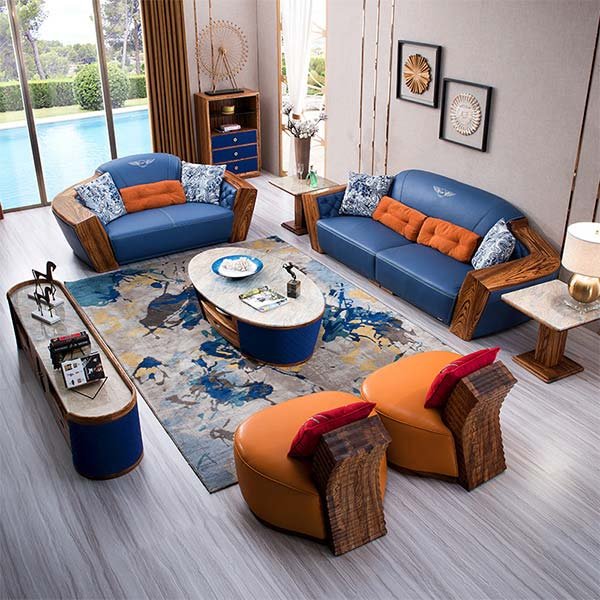
“Unleash the Beauty of Nature with Hand-Carved Wooden Furniture”
The History and Evolution of Hand-Carved Wooden Furniture
The Craft of Hand-Carved Wooden Furniture: Insights into Intricate Designs
Hand-carved wooden furniture is a true testament to the skill and craftsmanship of artisans. The intricate designs and attention to detail make these pieces not only functional but also works of art. In this article, we will delve into the history and evolution of hand-carved wooden furniture, exploring the techniques and styles that have shaped this timeless craft.
The origins of hand-carved wooden furniture can be traced back to ancient civilizations such as Egypt and China. These early craftsmen used simple tools like chisels and mallets to create intricate designs on wooden surfaces. The art of hand-carving soon spread to other parts of the world, with each region developing its own unique style.
During the Renaissance period in Europe, hand-carved wooden furniture reached new heights of sophistication. The intricate designs became more elaborate, incorporating motifs inspired by nature, mythology, and classical architecture. Skilled craftsmen were in high demand, and their creations adorned the homes of the wealthy and powerful.
As time went on, hand-carved wooden furniture continued to evolve. The Baroque and Rococo periods saw a shift towards more ornate and extravagant designs. Elaborate scrolls, floral motifs, and intricate detailing became the hallmark of these styles. The craftsmanship required to create such pieces was highly esteemed, and artisans honed their skills to meet the demands of the era.
In the 19th century, the Industrial Revolution brought about significant changes in the production of furniture. Mass production techniques replaced traditional hand-carving methods, making furniture more affordable and accessible to the general public. However, hand-carved wooden furniture did not disappear entirely. It continued to be valued for its uniqueness and craftsmanship, with artisans preserving the traditional techniques and passing them down through generations.
Today, hand-carved wooden furniture is experiencing a resurgence in popularity. People are once again appreciating the beauty and artistry of these pieces. Modern artisans combine traditional techniques with contemporary designs, creating furniture that is both functional and visually stunning.
The process of hand-carving wooden furniture requires patience, skill, and precision. Artisans start with a solid block of wood and carefully carve away layers to reveal the desired design. They use a variety of tools, including chisels, gouges, and mallets, to shape the wood and create intricate details. Each piece is a labor of love, with hours of meticulous work going into its creation.
The choice of wood is also crucial in hand-carved furniture. Different types of wood have unique characteristics that can enhance the final result. Hardwoods like oak and mahogany are often used for their durability and rich grain patterns. Softer woods like pine and cherry are more easily carved and lend themselves well to intricate designs.
In conclusion, hand-carved wooden furniture is a testament to the skill and artistry of craftsmen throughout history. From ancient civilizations to the present day, this craft has evolved and adapted to changing styles and techniques. The intricate designs and attention to detail make hand-carved furniture not only functional but also works of art. Whether it’s a traditional piece or a modern creation, hand-carved wooden furniture continues to captivate and inspire.
Techniques and Tools Used in Hand-Carving Wooden Furniture
The Craft of Hand-Carved Wooden Furniture: Insights into Intricate Designs
Hand-carved wooden furniture is a true work of art, showcasing the skill and craftsmanship of the artisans who create it. The intricate designs and attention to detail make these pieces not only functional but also visually stunning. In this article, we will explore the techniques and tools used in hand-carving wooden furniture, giving you a glimpse into the world of this ancient craft.
One of the most important techniques in hand-carving wooden furniture is the use of chisels. Chisels come in various shapes and sizes, each serving a specific purpose. The artisan carefully selects the appropriate chisel for the desired design and begins the process of carving. The chisel is guided by the artisan’s skilled hands, slowly removing layers of wood to reveal the desired shape and texture.
Another technique commonly used in hand-carving wooden furniture is relief carving. Relief carving involves carving away the background of a design, leaving the raised portions intact. This technique adds depth and dimension to the piece, creating a visually appealing effect. Relief carving requires precision and patience, as the artisan must carefully carve around the raised portions to achieve the desired result.
In addition to chisels and relief carving, hand-carving wooden furniture often involves the use of gouges. Gouges are curved chisels that are used to create concave or convex shapes in the wood. These tools allow the artisan to add intricate details and curves to the design, enhancing its overall beauty. Gouges come in various sizes and shapes, allowing for a wide range of creative possibilities.
To ensure the accuracy and precision of their work, artisans also use measuring and marking tools. These tools include rulers, calipers, and marking gauges, which help them measure and mark the wood before carving. By carefully measuring and marking the wood, the artisan can ensure that their design is symmetrical and well-proportioned.
Once the carving is complete, the artisan uses sandpaper and other finishing tools to smooth the surface of the wood. This step is crucial in achieving a polished and refined look. The artisan carefully sands the wood, removing any rough edges or imperfections, and then applies a finish to protect and enhance the natural beauty of the wood.
Hand-carving wooden furniture is a labor-intensive process that requires skill, patience, and attention to detail. The artisans who practice this craft dedicate countless hours to perfecting their techniques and honing their skills. Each piece they create is a testament to their passion and dedication.
In conclusion, the craft of hand-carved wooden furniture is a true art form. The techniques and tools used in this ancient craft allow artisans to create intricate designs that are both functional and visually stunning. From the careful selection of chisels to the use of relief carving and gouges, every step in the process is essential in creating a masterpiece. The artisans’ dedication to their craft is evident in the finished product, making hand-carved wooden furniture a timeless and cherished addition to any home.
Showcasing Exquisite Hand-Carved Wooden Furniture Designs
The Craft of Hand-Carved Wooden Furniture: Insights into Intricate Designs
Hand-carved wooden furniture is a true testament to the craftsmanship and skill of artisans. Each piece is meticulously crafted, showcasing intricate designs that add a touch of elegance and sophistication to any space. In this article, we will delve into the world of hand-carved wooden furniture, exploring the techniques used and the beauty of these exquisite designs.
One of the most captivating aspects of hand-carved wooden furniture is the attention to detail. Artisans spend countless hours meticulously carving intricate patterns and motifs into the wood, creating a piece that is truly one-of-a-kind. From delicate floral designs to elaborate geometric patterns, each carving tells a story and adds a unique touch to the furniture.
The process of hand-carving wooden furniture begins with selecting the right type of wood. Different types of wood have different characteristics, and artisans carefully choose the wood that best suits their design. Hardwoods such as mahogany and oak are commonly used for their durability and ability to hold intricate carvings.
Once the wood is selected, the artisan begins the carving process. This is done using a variety of tools, including chisels, gouges, and mallets. The artisan carefully removes small pieces of wood, gradually shaping the design and bringing it to life. It requires a steady hand and a keen eye for detail to create the intricate patterns that are characteristic of hand-carved wooden furniture.
As the design takes shape, the artisan pays close attention to the proportions and balance of the piece. This ensures that the final product is not only visually appealing but also functional. The artisan may also incorporate other techniques such as wood burning or staining to enhance the beauty of the carving.
The finished piece of hand-carved wooden furniture is a true work of art. It exudes a sense of elegance and sophistication, making it a focal point in any room. Whether it is a hand-carved dining table, a intricately carved bed frame, or a beautifully carved cabinet, these pieces are sure to leave a lasting impression.
Hand-carved wooden furniture is not only visually stunning but also durable. The craftsmanship and attention to detail ensure that these pieces will stand the test of time. With proper care and maintenance, they can be passed down through generations, becoming cherished family heirlooms.
In conclusion, hand-carved wooden furniture is a testament to the skill and artistry of artisans. The intricate designs and attention to detail make these pieces truly unique and captivating. From the selection of the wood to the carving process, every step is carefully executed to create a piece that is not only visually stunning but also functional. Whether it is a dining table, bed frame, or cabinet, hand-carved wooden furniture adds a touch of elegance and sophistication to any space. So, if you are looking to add a touch of timeless beauty to your home, consider investing in hand-carved wooden furniture.
Заключение
Заключение: Книга “The Craft of Hand-Carved Wooden Furniture: Insights into Intricate Designs” представляет ценную информацию о ремесле ручной резьбы по дереву и предлагает уникальные идеи и инсайты в создание сложных дизайнов. Она является полезным руководством для тех, кто интересуется этим искусством и стремится улучшить свои навыки. Книга предлагает читателям глубокое понимание процесса создания ручной резьбы по дереву и вдохновляет на создание уникальных и красивых предметов мебели.