The Art of Mixing and Matching: Perfectly Pairing Your Sofa with Other Furniture Pieces.
Choosing the Right Accent Chairs to Complement Your Sofa
Choosing the Right Accent Chairs to Complement Your Sofa
When it comes to furnishing your living room, one of the most important decisions you’ll make is selecting the right accent chairs to complement your sofa. Accent chairs not only provide additional seating but also add style and personality to your space. However, finding the perfect chairs that harmonize with your sofa can be a daunting task. In this article, we will explore some tips and considerations to help you make the right choice.
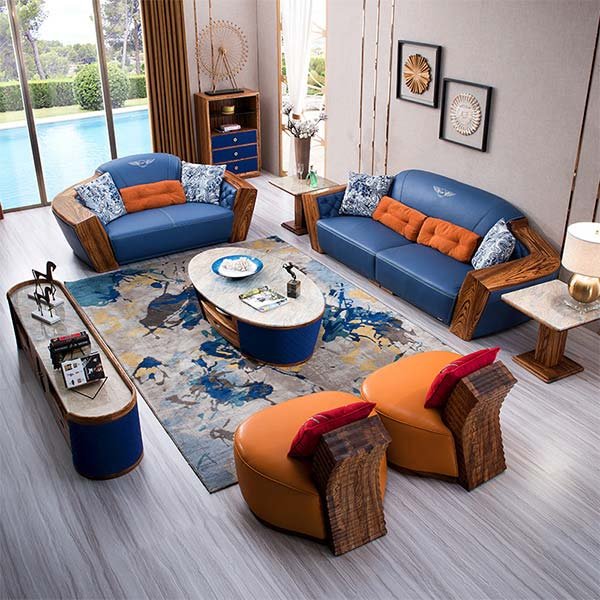
First and foremost, it’s crucial to consider the style and design of your sofa. Is it modern and sleek, or does it have a more traditional and classic look? The accent chairs you choose should align with the overall aesthetic of your sofa. For example, if you have a contemporary sofa with clean lines and minimalistic design, opt for accent chairs that have a similar modern feel. On the other hand, if your sofa has a more traditional look with ornate details, consider accent chairs that feature similar elements.
Another important factor to consider is the color scheme. The accent chairs you choose should complement the color of your sofa while adding visual interest to the room. One option is to select chairs in a contrasting color to create a bold and eye-catching look. For instance, if your sofa is a neutral shade like beige or gray, consider accent chairs in a vibrant color like teal or mustard yellow. Alternatively, you can choose chairs in a similar color family to create a cohesive and harmonious look. For example, if your sofa is a deep navy blue, opt for accent chairs in lighter shades of blue or even a complementary color like gray.
In addition to style and color, it’s essential to consider the size and scale of your accent chairs in relation to your sofa. The chairs should not overpower or dwarf the sofa but rather complement its proportions. If you have a large sectional sofa, consider pairing it with two smaller accent chairs to create a balanced and symmetrical arrangement. Conversely, if you have a smaller sofa, opt for one or two larger accent chairs to add visual weight and create a sense of proportion.
Furthermore, think about the functionality of the accent chairs. Are they primarily for additional seating or will they serve a specific purpose? If you frequently entertain guests, consider choosing accent chairs that are comfortable and inviting. Look for chairs with plush cushions and supportive armrests. On the other hand, if you’re looking for chairs that will primarily be used for decorative purposes, you can prioritize style over comfort.
Lastly, don’t forget to consider the overall layout and flow of your living room. The accent chairs should fit seamlessly into the space without obstructing pathways or creating a cluttered look. Take measurements of your room and consider the placement of other furniture pieces to ensure that the chairs will fit comfortably without overwhelming the space.
In conclusion, choosing the right accent chairs to complement your sofa is a crucial step in creating a cohesive and visually appealing living room. Consider the style, color, size, and functionality of the chairs, as well as the overall layout of the room. By carefully selecting accent chairs that harmonize with your sofa, you can create a space that is both stylish and comfortable.
Creating a Harmonious Look with Coffee Tables and Side Tables
Creating a Harmonious Look with Coffee Tables and Side Tables
When it comes to designing your living room, one of the key elements to consider is the furniture arrangement. A well-placed coffee table and side tables can not only provide functionality but also enhance the overall aesthetic appeal of the space. In this article, we will explore the art of mixing and matching your sofa with other furniture pieces, specifically focusing on creating a harmonious look with coffee tables and side tables.
To begin with, it is important to understand the role of coffee tables and side tables in your living room. Coffee tables serve as a central focal point, providing a surface for placing drinks, books, and other items. Side tables, on the other hand, are smaller and can be placed next to sofas or armchairs to hold lamps, remote controls, or decorative objects. Both coffee tables and side tables can add depth and dimension to your living room, while also serving practical purposes.
When it comes to pairing your sofa with coffee tables and side tables, there are a few key factors to consider. First and foremost, you should take into account the size and scale of your furniture pieces. A large, overstuffed sofa may require a larger coffee table to balance out the proportions, while a smaller sofa can be complemented by a more petite coffee table. Similarly, side tables should be chosen based on the height and width of your sofa, ensuring that they are neither too tall nor too short.
Another important consideration is the style and material of your coffee tables and side tables. If your sofa has a modern, minimalist design, you may want to opt for sleek, glass coffee tables and metal side tables to create a cohesive look. On the other hand, if your sofa has a more traditional or rustic feel, wooden coffee tables and side tables with intricate detailing can add warmth and character to the space. It is important to strike a balance between the different furniture pieces, ensuring that they complement each other rather than clash.
In addition to size and style, the placement of your coffee tables and side tables is crucial in creating a harmonious look. Coffee tables should be positioned within easy reach of the sofa, allowing for comfortable access to drinks and snacks. Side tables, on the other hand, should be placed next to armchairs or sofas, providing a convenient surface for lamps or other items. It is important to consider the flow of the room and ensure that the placement of your furniture pieces does not obstruct the natural movement within the space.
In conclusion, pairing your sofa with coffee tables and side tables is an art that requires careful consideration of size, style, and placement. By choosing furniture pieces that complement each other in terms of size and style, you can create a harmonious look in your living room. Additionally, the placement of your coffee tables and side tables should be strategic, allowing for easy access and maintaining a smooth flow within the space. With these tips in mind, you can create a well-designed living room that is both functional and aesthetically pleasing.
Enhancing Your Sofa with Stylish Throw Pillows and Blankets
Enhancing Your Sofa with Stylish Throw Pillows and Blankets
When it comes to decorating your living room, the sofa is often the centerpiece. It’s where you and your guests gather to relax and socialize, so it’s important to make it as comfortable and stylish as possible. One way to achieve this is by adding throw pillows and blankets to your sofa. Not only do they provide extra comfort, but they also add a touch of personality and style to your space.
Throw pillows come in a variety of shapes, sizes, and colors, making it easy to find the perfect ones to complement your sofa. Whether you prefer bold and vibrant patterns or subtle and neutral tones, there’s a throw pillow out there for you. When choosing pillows, consider the color and texture of your sofa. If you have a solid-colored sofa, you can opt for pillows with intricate patterns or bold colors to create a striking contrast. On the other hand, if your sofa has a patterned fabric, you may want to choose pillows in complementary colors or with a simpler design to avoid overwhelming the space.
In addition to adding style, throw pillows also serve a practical purpose. They provide extra support and comfort, making your sofa even more inviting. You can mix and match different sizes and shapes to create a layered and visually appealing look. For example, you can place larger square pillows at the back of the sofa and smaller rectangular ones in front. This not only adds depth but also creates a cozy and inviting atmosphere.
Blankets are another great accessory to enhance your sofa. They not only add warmth and comfort but also add texture and visual interest. Like throw pillows, blankets come in a variety of materials, colors, and patterns. You can choose a soft and cozy fleece blanket for those chilly winter nights or a lightweight cotton one for the warmer months. Consider the color and texture of your sofa when selecting a blanket. If your sofa has a smooth and sleek fabric, you can opt for a chunky knit blanket to add texture and contrast. Alternatively, if your sofa has a textured fabric, you may want to choose a smooth and silky blanket to create a more balanced look.
When arranging throw pillows and blankets on your sofa, it’s important to strike a balance between comfort and style. Avoid overcrowding your sofa with too many pillows or blankets, as this can make it look cluttered and uninviting. Instead, opt for a few well-chosen pieces that complement the overall aesthetic of your living room. You can experiment with different arrangements and combinations until you find the perfect balance.
In conclusion, throw pillows and blankets are a simple yet effective way to enhance your sofa and add style to your living room. By choosing pillows and blankets that complement the color and texture of your sofa, you can create a cohesive and visually appealing look. Remember to strike a balance between comfort and style, and don’t be afraid to experiment with different arrangements. With the right accessories, your sofa can become a cozy and stylish focal point in your living room.
Conclusion
In conclusion, the art of mixing and matching involves pairing your sofa with other furniture pieces in a harmonious and visually appealing way. By considering factors such as color, style, and proportion, you can create a cohesive and balanced look in your living space. Experimenting with different combinations and incorporating contrasting elements can add interest and personality to your interior design. Ultimately, the key is to strike a balance between unity and diversity, creating a space that reflects your personal style and enhances the overall aesthetic of your home.