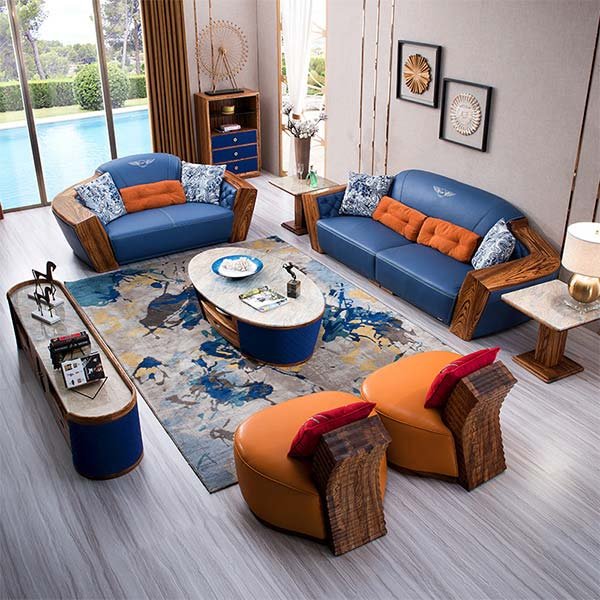
“Designing a sustainable future, one eco-friendly piece at a time.”
The Importance of Sustainable Materials in Furniture Design
Sustainability in Design: Eco-Friendly Furniture for a Greener Home
In today’s world, where environmental concerns are at the forefront of our minds, it is essential to consider sustainability in every aspect of our lives. One area where sustainability plays a crucial role is in furniture design. The materials used in furniture production can have a significant impact on the environment, from deforestation to the release of harmful chemicals. Therefore, it is essential to prioritize the use of sustainable materials in furniture design.
One of the primary reasons why sustainable materials are crucial in furniture design is their impact on deforestation. Traditional furniture production often relies on the use of wood from endangered or illegally logged forests. This practice not only contributes to deforestation but also destroys habitats for countless species. By using sustainable materials such as reclaimed wood or bamboo, furniture designers can help reduce the demand for new wood and promote the conservation of forests.
Another significant concern in furniture design is the release of harmful chemicals into the environment. Many conventional furniture materials, such as particleboard or plywood, are made using adhesives that contain formaldehyde, a known carcinogen. These chemicals can be released into the air over time, contributing to indoor air pollution. By opting for furniture made from sustainable materials, such as natural fibers or low-VOC (volatile organic compounds) finishes, homeowners can create a healthier living environment for themselves and their families.
Sustainable materials also offer the advantage of being more durable and long-lasting. Unlike cheaply made furniture that quickly falls apart, furniture made from sustainable materials is designed to withstand the test of time. This not only reduces waste but also saves homeowners money in the long run. By investing in high-quality, sustainable furniture, individuals can avoid the need for frequent replacements and contribute to a more sustainable lifestyle.
Furthermore, sustainable materials in furniture design can also have a positive impact on local communities. Many sustainable materials, such as rattan or jute, are sourced from developing countries. By supporting the use of these materials, furniture designers can provide economic opportunities for local artisans and help improve their livelihoods. This creates a more equitable and sustainable global economy.
In conclusion, the use of sustainable materials in furniture design is of utmost importance in creating a greener home. By prioritizing the use of reclaimed wood, bamboo, natural fibers, and low-VOC finishes, furniture designers can contribute to the conservation of forests, reduce indoor air pollution, and promote a more sustainable lifestyle. Additionally, sustainable materials offer durability, saving homeowners money in the long run. Moreover, by supporting the use of sustainable materials sourced from developing countries, furniture designers can contribute to a more equitable global economy. Therefore, it is crucial for both designers and consumers to prioritize sustainability in furniture design for a greener future.
Innovative Design Solutions for Energy Efficiency in Home Furnishings
In today’s world, sustainability has become a crucial aspect of design. As we strive to reduce our carbon footprint and protect the environment, eco-friendly furniture has emerged as a popular choice for homeowners looking to create a greener home. Innovative design solutions for energy efficiency in home furnishings have paved the way for a new era of sustainable living.
One of the key aspects of eco-friendly furniture is its use of sustainable materials. Traditional furniture often relies on materials such as wood, which can contribute to deforestation and habitat destruction. In contrast, eco-friendly furniture utilizes materials that are renewable and have a minimal impact on the environment. Bamboo, for example, is a popular choice due to its rapid growth and ability to regenerate quickly. Additionally, recycled materials such as reclaimed wood or plastic can be used to create unique and environmentally friendly pieces.
Energy efficiency is another important consideration in sustainable furniture design. Many eco-friendly furniture pieces are designed to minimize energy consumption and reduce waste. For example, lighting fixtures can be equipped with energy-efficient LED bulbs, which consume less electricity and have a longer lifespan compared to traditional incandescent bulbs. Similarly, appliances such as refrigerators or washing machines can be designed to use less water and energy, helping homeowners save on utility bills while reducing their environmental impact.
Innovative design solutions also extend to the manufacturing process of eco-friendly furniture. Sustainable manufacturers prioritize reducing waste and emissions during production. They may employ techniques such as using water-based adhesives instead of toxic chemicals, or implementing recycling programs to ensure that any waste generated is properly disposed of or repurposed. By adopting these practices, manufacturers can significantly reduce their carbon footprint and contribute to a more sustainable industry.
Furthermore, eco-friendly furniture is often designed with longevity in mind. Rather than following trends that quickly become outdated, sustainable furniture is built to last. High-quality materials and craftsmanship ensure that these pieces can withstand the test of time, reducing the need for frequent replacements. This not only saves money in the long run but also reduces the amount of waste generated by discarded furniture.
In addition to their environmental benefits, eco-friendly furniture can also enhance the aesthetic appeal of a home. Sustainable design does not mean sacrificing style or comfort. On the contrary, many eco-friendly furniture pieces feature sleek and modern designs that can complement any interior decor. From minimalist Scandinavian-inspired chairs to rustic reclaimed wood tables, there is a wide range of options available to suit different tastes and preferences.
In conclusion, sustainability in design has revolutionized the furniture industry, offering homeowners innovative solutions for creating a greener home. Eco-friendly furniture utilizes sustainable materials, prioritizes energy efficiency, and incorporates innovative manufacturing processes. By choosing eco-friendly furniture, homeowners can reduce their environmental impact while enjoying stylish and long-lasting pieces. As we continue to prioritize sustainability, the demand for innovative design solutions in home furnishings will only continue to grow.
Promoting Circular Economy through Sustainable Furniture Design
Promoting Circular Economy through Sustainable Furniture Design
In recent years, there has been a growing awareness of the need for sustainable practices in all aspects of our lives. From reducing waste to conserving energy, individuals and businesses alike are taking steps to minimize their impact on the environment. One area where sustainability is gaining traction is in the design and production of furniture. Eco-friendly furniture is not only aesthetically pleasing, but it also promotes a circular economy, making it a great choice for those looking to create a greener home.
Circular economy is a concept that aims to eliminate waste and keep resources in use for as long as possible. It is a departure from the traditional linear economy, where products are made, used, and then discarded. Sustainable furniture design aligns perfectly with the principles of the circular economy by focusing on durability, recyclability, and the use of renewable materials.
One of the key aspects of sustainable furniture design is the use of durable materials. Instead of opting for cheap, disposable furniture, eco-conscious designers choose materials that can withstand the test of time. This not only reduces waste but also saves consumers money in the long run. By investing in high-quality furniture that will last for years, individuals can avoid the need for frequent replacements and contribute to a more sustainable future.
Recyclability is another important factor in sustainable furniture design. Many eco-friendly furniture pieces are made from materials that can be easily recycled at the end of their life cycle. This means that instead of ending up in a landfill, these items can be transformed into new products, reducing the demand for virgin materials. By choosing furniture that is recyclable, individuals can actively participate in the circular economy and help minimize the extraction of natural resources.
Renewable materials are also a key component of sustainable furniture design. Instead of relying on non-renewable resources like fossil fuels, eco-friendly furniture is often made from renewable materials such as bamboo, cork, or reclaimed wood. These materials are not only more environmentally friendly but also add a unique and natural touch to any home. By opting for furniture made from renewable materials, individuals can support sustainable industries and contribute to the preservation of our planet’s resources.
In addition to the materials used, sustainable furniture design also takes into account the manufacturing process. Many eco-friendly furniture manufacturers prioritize energy efficiency and waste reduction in their production facilities. By implementing energy-saving technologies and recycling programs, these companies minimize their environmental impact and set an example for others in the industry.
Furthermore, sustainable furniture design extends beyond the production phase. Many eco-friendly furniture pieces are designed with modularity and adaptability in mind. This means that they can be easily disassembled, repaired, or upgraded, extending their lifespan even further. By embracing the concept of circularity, individuals can reduce waste and make the most of their furniture for years to come.
In conclusion, sustainable furniture design is a powerful tool for promoting a circular economy and creating a greener home. By choosing durable, recyclable, and renewable materials, individuals can contribute to the preservation of our planet’s resources. Additionally, by supporting manufacturers that prioritize energy efficiency and waste reduction, individuals can further minimize their environmental impact. Sustainable furniture design is not only a responsible choice but also a stylish and timeless one. So why not make your home a little greener with eco-friendly furniture?
Conclusion
In conclusion, sustainability in design is crucial for creating a greener home. Eco-friendly furniture plays a significant role in reducing environmental impact by using sustainable materials, minimizing waste, and promoting responsible manufacturing practices. By incorporating such furniture into our homes, we can contribute to a more sustainable future and create a healthier living environment for ourselves and future generations.