“Unlock the secrets of Sofa Styling Mastery and transform your living room into a functional and stylish haven.”
Choosing the Perfect Sofa for Your Living Room
Choosing the Perfect Sofa for Your Living Room
When it comes to designing a living room that is both functional and stylish, one of the most important elements to consider is the sofa. The sofa is often the centerpiece of the room, and it sets the tone for the entire space. Therefore, it is crucial to choose a sofa that not only fits your personal style but also meets your practical needs.
First and foremost, you need to consider the size of your living room. If you have a small space, a large sectional sofa may overwhelm the room and make it feel cramped. On the other hand, if you have a spacious living room, a small loveseat may get lost in the space. It is essential to find a sofa that is proportionate to the size of your room, ensuring that it fits comfortably without overpowering or disappearing.
Next, think about the shape and style of the sofa. There are various options available, from traditional to modern, and everything in between. Consider the overall aesthetic of your living room and choose a sofa that complements it. If you have a contemporary space, a sleek and minimalist sofa may be the perfect choice. Alternatively, if your living room has a more traditional feel, a classic and elegant sofa may be more suitable.
In addition to the style, you should also consider the shape of the sofa. A straight-backed sofa with clean lines can create a more formal and structured look, while a sofa with soft curves and plush cushions can provide a more relaxed and casual feel. Think about the atmosphere you want to create in your living room and choose a sofa shape that aligns with that vision.
Another crucial factor to consider when choosing a sofa is the material. The material not only affects the overall look of the sofa but also its durability and maintenance. Leather sofas, for example, are known for their timeless appeal and durability, but they may require more upkeep. Fabric sofas, on the other hand, offer a wide range of colors and patterns to choose from, but they may be more prone to stains and wear. Consider your lifestyle and the level of maintenance you are willing to commit to when selecting the material for your sofa.
Lastly, don’t forget about comfort. After all, a sofa is meant to be a place where you can relax and unwind. Test out different sofas to find one that offers the right level of comfort for you. Sit on it, lie down, and imagine yourself spending hours on it. Pay attention to the cushioning, the depth, and the overall support it provides. Remember, a stylish sofa is only truly functional if it is comfortable to sit on.
In conclusion, choosing the perfect sofa for your living room is a crucial step in designing a space that is both functional and stylish. Consider the size, shape, style, material, and comfort of the sofa to ensure that it fits seamlessly into your living room and meets your practical needs. By taking the time to carefully select the right sofa, you can create a living room that is not only visually appealing but also a comfortable and inviting space for you and your guests to enjoy.
Incorporating Color and Patterns in Sofa Styling
Incorporating Color and Patterns in Sofa Styling
When it comes to designing a living room that is both functional and stylish, one of the key elements to consider is the color and pattern of your sofa. The sofa is often the focal point of the room, and choosing the right color and pattern can make a big impact on the overall look and feel of the space.
One of the first things to consider when selecting a color for your sofa is the overall color scheme of the room. If you have a neutral color palette, such as whites, grays, and beiges, you may want to consider a bold color for your sofa to add a pop of color to the space. On the other hand, if you have a more vibrant color scheme, you may want to choose a more neutral color for your sofa to create a sense of balance.
In addition to considering the color scheme of the room, it’s also important to think about the size and shape of your sofa. If you have a small living room, a light-colored sofa can help create the illusion of more space. On the other hand, if you have a large living room, a dark-colored sofa can help anchor the space and create a cozy atmosphere.
Once you have chosen a color for your sofa, it’s time to think about patterns. Patterns can add visual interest and personality to your sofa, but it’s important to use them in moderation. Too many patterns can make the space feel busy and overwhelming. Instead, choose one or two patterns that complement each other and the overall style of the room.
When selecting patterns for your sofa, consider the scale of the patterns. If you have a small sofa, choose smaller-scale patterns to avoid overwhelming the space. On the other hand, if you have a large sofa, you can opt for larger-scale patterns to make a bold statement.
Another important factor to consider when incorporating patterns in sofa styling is the texture of the fabric. Different textures can add depth and dimension to your sofa, creating a more visually interesting piece. For example, a velvet sofa can add a touch of luxury and elegance to a room, while a linen sofa can create a more casual and relaxed vibe.
When it comes to combining colors and patterns in sofa styling, it’s important to strike a balance. If you have a bold-colored sofa, consider choosing more neutral patterns to avoid overwhelming the space. On the other hand, if you have a neutral-colored sofa, you can experiment with bolder patterns to add visual interest.
In conclusion, incorporating color and patterns in sofa styling is an important aspect of designing a living room that is both functional and stylish. By considering the overall color scheme of the room, the size and shape of the sofa, and the scale and texture of the patterns, you can create a sofa that adds personality and visual interest to your space. Remember to strike a balance between colors and patterns to create a cohesive and visually pleasing design.
Arranging Accessories and Decor to Complement Your Sofa
Arranging Accessories and Decor to Complement Your Sofa
Once you have chosen the perfect sofa for your living room, it’s time to think about how to arrange accessories and decor to complement it. The right accessories can enhance the style and functionality of your sofa, creating a cohesive and inviting space. In this section, we will explore some tips and ideas to help you master the art of sofa styling.
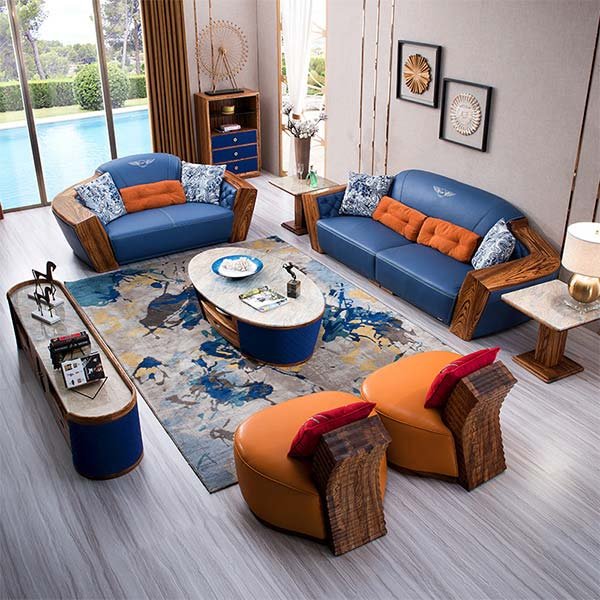
First and foremost, consider the color scheme of your sofa and choose accessories that complement it. If your sofa is a neutral color, such as beige or gray, you have a wide range of options. You can add pops of color with throw pillows, blankets, and rugs. Opt for complementary colors or choose a bold accent color to make a statement. On the other hand, if your sofa is already a vibrant color, such as blue or red, you may want to stick to more neutral accessories to avoid overwhelming the space.
Next, think about the size and scale of your accessories. A large sofa can handle bigger accessories, such as oversized artwork or floor lamps. However, if your sofa is on the smaller side, it’s best to choose smaller-scale accessories to avoid overpowering the space. Consider the height of your accessories as well. Taller accessories, such as tall vases or floor plants, can add vertical interest and balance to a room with a low-profile sofa.
Another important aspect to consider is the texture of your accessories. Mixing different textures can add depth and visual interest to your living room. For example, if your sofa has a smooth leather upholstery, you can add texture with a chunky knit throw blanket or a faux fur pillow. Mixing textures can create a cozy and inviting atmosphere, making your sofa the focal point of the room.
In addition to accessories, don’t forget about the decor on your walls. Artwork and mirrors can enhance the overall look of your sofa and tie the room together. When hanging artwork, consider the size and scale in relation to your sofa. A large piece of artwork can make a bold statement above a sofa, while a gallery wall can add a more eclectic and personalized touch. Mirrors can also be a great addition, as they can reflect light and make the room appear larger.
Lastly, don’t overlook the importance of lighting when styling your sofa. Proper lighting can create ambiance and highlight the beauty of your sofa. Consider a combination of overhead lighting, such as a pendant or chandelier, and task lighting, such as table lamps or floor lamps. Place the lighting strategically to ensure that it illuminates the sofa and the surrounding area effectively.
In conclusion, arranging accessories and decor to complement your sofa is an essential part of creating a functional and stylish living room. By considering the color scheme, size and scale, texture, and lighting, you can create a cohesive and inviting space that showcases your sofa. Remember to choose accessories that enhance the style of your sofa while also serving a practical purpose. With these tips and ideas, you can master the art of sofa styling and create a living room that is both functional and stylish.
Conclusion
In conclusion, mastering sofa styling is essential for designing a living room that is both functional and stylish. By considering factors such as size, placement, color, and texture, individuals can create a cohesive and visually appealing space. Additionally, incorporating elements like throw pillows, blankets, and coffee tables can enhance the functionality and overall aesthetic of the room. With careful attention to detail and a balance between style and functionality, anyone can achieve a well-designed living room that reflects their personal taste and meets their everyday needs.