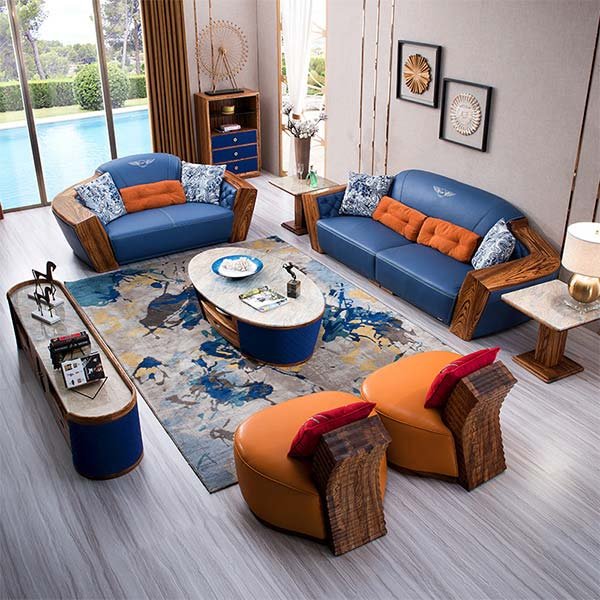
“Transform your open-plan living space with Sofa 2025 – the perfect blend of style and functionality.”
Sustainability in Sofa Design for Open-Plan Living Spaces
In recent years, open-plan living spaces have become increasingly popular among homeowners. These versatile layouts offer a sense of spaciousness and connectivity, making them ideal for modern living. However, when it comes to furnishing these spaces, finding the right sofa can be a challenge. With the rise of sustainability in design, many consumers are looking for eco-friendly options that not only look great but also have a minimal impact on the environment. As we look ahead to 2025, it’s clear that sustainability will continue to be a key consideration for buyers looking to invest in a sofa for their open-plan living space.
One of the key strategies for buyers in 2025 is to prioritize materials that are sustainable and environmentally friendly. This means opting for sofas made from natural materials such as wood, bamboo, or organic cotton. These materials are not only renewable but also biodegradable, making them a more eco-friendly choice compared to synthetic materials like polyester or foam. By choosing sofas made from sustainable materials, buyers can reduce their carbon footprint and contribute to a more sustainable future.
Another important consideration for buyers in 2025 is the longevity of the sofa. Investing in a high-quality sofa that is built to last can help reduce waste and minimize the need for frequent replacements. Look for sofas that are constructed with durable materials and solid craftsmanship to ensure that they will stand the test of time. Additionally, consider opting for sofas with removable and washable covers, which can help extend the lifespan of the sofa and keep it looking fresh for years to come.
When it comes to sustainability in sofa design, another key strategy for buyers is to choose sofas that are modular and customizable. Modular sofas allow for greater flexibility in terms of configuration, making it easier to adapt to changing needs and spaces. By choosing a modular sofa, buyers can easily reconfigure their seating arrangement to suit different occasions or room layouts. Additionally, modular sofas are often easier to transport and assemble, reducing the environmental impact of shipping and delivery.
In addition to sustainability and longevity, buyers in 2025 should also consider the overall design and aesthetic of the sofa. Open-plan living spaces often require furniture that is both functional and stylish, so it’s important to choose a sofa that complements the overall design scheme of the room. Look for sofas with clean lines, neutral colors, and timeless designs that will stand the test of time. Avoid trendy or overly ornate styles that may quickly go out of fashion, as these can lead to unnecessary waste and frequent replacements.
As we look ahead to 2025, sustainability will continue to be a key consideration for buyers looking to invest in a sofa for their open-plan living space. By prioritizing materials that are sustainable and environmentally friendly, choosing sofas that are built to last, opting for modular and customizable designs, and considering the overall aesthetic of the sofa, buyers can make informed decisions that benefit both the environment and their living space. With these strategies in mind, finding the perfect sofa for open-plan living in 2025 can be a rewarding and sustainable investment.
Customization Options for Sofas in Open-Plan Living Areas
In recent years, open-plan living has become increasingly popular in modern homes. This design concept involves combining multiple living spaces, such as the living room, dining room, and kitchen, into one large, open area. One of the key challenges of open-plan living is creating distinct zones within the space while maintaining a cohesive design aesthetic. This is where the right furniture, such as a sofa, can play a crucial role.
When it comes to choosing a sofa for an open-plan living area, customization options are key. By selecting a sofa that can be tailored to fit your specific needs and preferences, you can create a piece of furniture that not only complements your space but also enhances its functionality. In this article, we will explore some of the customization options available for sofas in open-plan living areas and provide strategies for buyers looking to make the most of these options.
One of the most important customization options to consider when choosing a sofa for an open-plan living area is size. The size of your sofa will depend on the dimensions of your space and the layout of your furniture. In an open-plan living area, it is essential to choose a sofa that is proportionate to the rest of the room and allows for easy flow of movement between different zones. Consider measuring your space carefully and consulting with a furniture specialist to determine the ideal size for your sofa.
In addition to size, another important customization option to consider is the configuration of your sofa. Sofas come in a variety of configurations, including L-shaped, U-shaped, and modular designs. The configuration you choose will depend on the layout of your space and the specific functions you want your sofa to serve. For example, an L-shaped sofa can help define a seating area within an open-plan living room, while a modular sofa can be rearranged to suit different activities, such as watching TV or entertaining guests.
When it comes to upholstery, there are also a wide range of customization options available. From fabric and leather to microfiber and velvet, the choice of upholstery can have a significant impact on the look and feel of your sofa. Consider the durability, maintenance, and comfort of different upholstery materials when making your selection. Additionally, you may want to choose a color or pattern that complements the overall design scheme of your open-plan living area.
Another important customization option to consider is the style of your sofa. Whether you prefer a modern, traditional, or eclectic look, there are countless styles of sofas to choose from. Consider the architectural style of your home and the existing furniture in your open-plan living area when selecting a sofa style. You may also want to consider the comfort and functionality of different styles, such as reclining sofas or sleeper sofas, depending on your lifestyle and needs.
In conclusion, customization options for sofas in open-plan living areas are essential for creating a cohesive and functional space. By considering factors such as size, configuration, upholstery, and style, buyers can select a sofa that not only fits their space but also enhances its design aesthetic. Whether you are looking for a statement piece or a versatile seating solution, there are endless possibilities for customizing a sofa to suit your needs. By taking the time to explore these options and consult with furniture specialists, buyers can make informed decisions that will transform their open-plan living area into a stylish and comfortable space for years to come.
Technology Integration in Sofas for Modern Open-Plan Living Rooms
In today’s modern world, open-plan living has become increasingly popular. This design concept involves combining multiple living spaces, such as the living room, dining room, and kitchen, into one large area. With this shift in home design, furniture manufacturers have had to adapt to meet the needs of consumers who are looking for versatile and functional pieces that can seamlessly integrate into their open-plan living spaces.
One piece of furniture that has seen a significant evolution in recent years is the sofa. No longer just a place to sit and relax, sofas are now being designed with technology integration in mind to enhance the overall living experience. As we look ahead to 2025, it’s important for buyers to understand the strategies they can employ when selecting a sofa for their open-plan living room.
One key strategy for buyers to consider is the integration of smart technology into their sofa. With the rise of smart homes and connected devices, many consumers are looking for furniture that can seamlessly integrate with their existing technology. Sofas with built-in USB ports, wireless charging capabilities, and even voice-activated controls are becoming increasingly popular. These features not only add convenience but also enhance the overall functionality of the sofa in a modern living space.
Another important consideration for buyers is the size and shape of the sofa. In open-plan living rooms, space is often at a premium, so it’s essential to choose a sofa that fits the layout of the room. Modular sofas, which can be configured in different ways to suit the space, are a popular choice for open-plan living rooms. Additionally, sofas with built-in storage options can help maximize space and keep the room looking tidy and organized.
When it comes to materials and finishes, buyers should look for sofas that are not only stylish but also durable and easy to clean. With the increased use of open-plan living spaces for everyday activities, such as dining and entertaining, it’s important to choose a sofa that can withstand the wear and tear of daily use. Stain-resistant fabrics, easy-to-clean leather, and durable frames are all important factors to consider when selecting a sofa for an open-plan living room.
In addition to technology integration, size, shape, and materials, buyers should also consider the overall design aesthetic of the sofa. With open-plan living rooms often serving as the focal point of the home, it’s important to choose a sofa that complements the overall design of the space. Whether you prefer a sleek and modern look or a more traditional style, there are a wide variety of options available to suit your personal taste and preferences.
As we look ahead to 2025, the evolution of sofas for open-plan living rooms will continue to be driven by advancements in technology, changes in consumer preferences, and the need for versatile and functional furniture. By considering factors such as smart technology integration, size and shape, materials and finishes, and design aesthetic, buyers can make informed decisions when selecting a sofa for their open-plan living room. With the right strategies in place, you can create a stylish and functional living space that meets the needs of modern living.
Conclusion
In conclusion, the Sofa 2025 for Open-Plan Living offers a range of buyer strategies to consider when purchasing a sofa for this type of living space. These strategies include selecting a sofa with modular or sectional design, choosing a sofa with versatile functionality, and opting for a sofa with a sleek and modern aesthetic. By considering these factors, buyers can ensure they select a sofa that not only fits their open-plan living space but also meets their design and functionality needs.