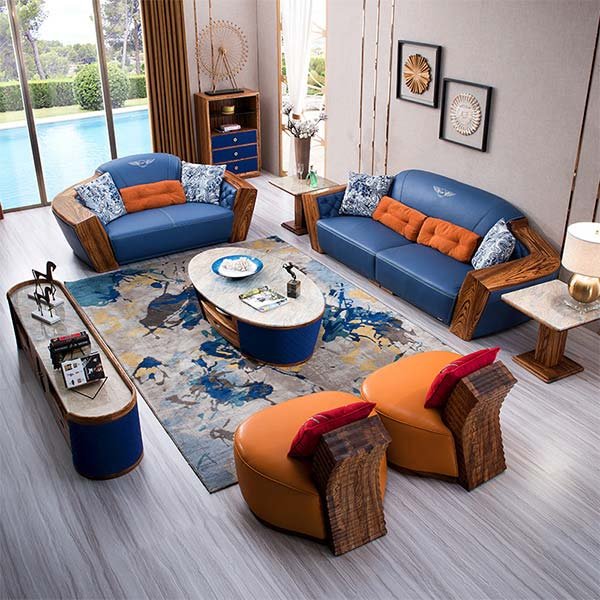
“Bringing sustainability and style together for a greener future.”
Sustainable Materials for Sofa Construction
Sofas are an essential piece of furniture in any home or office space. As we move towards a more sustainable future, it is important to consider the materials used in the construction of these sofas. Sustainable materials not only help reduce our carbon footprint but also promote a healthier environment for future generations. In this article, we will explore some of the best eco-friendly materials for sofa construction in 2025.
One of the most popular sustainable materials for sofa construction is reclaimed wood. Reclaimed wood is sourced from old buildings, barns, and other structures that are no longer in use. By using reclaimed wood, we are able to give new life to materials that would otherwise end up in a landfill. Reclaimed wood also adds a unique and rustic charm to sofas, making them a popular choice for eco-conscious consumers.
Another sustainable material for sofa construction is bamboo. Bamboo is a fast-growing grass that is renewable and biodegradable. It is also incredibly strong and durable, making it an ideal choice for furniture construction. Bamboo sofas are not only eco-friendly but also stylish and modern, making them a great addition to any space.
Cork is another sustainable material that is gaining popularity in sofa construction. Cork is harvested from the bark of cork oak trees, which can be harvested without harming the tree. Cork is lightweight, water-resistant, and fire-retardant, making it an excellent choice for sofa upholstery. Cork sofas are not only eco-friendly but also comfortable and stylish, making them a great option for those looking to reduce their environmental impact.
Recycled materials are also a great option for eco-friendly sofa construction. Recycled plastic, for example, can be used to create durable and stylish sofa frames. Recycled fabrics, such as polyester made from recycled plastic bottles, can be used for upholstery, creating a sustainable and stylish sofa option. By using recycled materials, we are able to reduce waste and conserve resources, making it a great choice for eco-conscious consumers.
In addition to sustainable materials, it is also important to consider the manufacturing process when sourcing eco-friendly sofas. Look for companies that use environmentally friendly practices, such as using non-toxic adhesives and finishes, reducing water and energy consumption, and minimizing waste. By supporting companies that prioritize sustainability, we can help promote a healthier planet for future generations.
When sourcing eco-friendly sofas for your projects in 2025, consider the materials used in construction, such as reclaimed wood, bamboo, cork, and recycled materials. Look for companies that prioritize sustainability in their manufacturing processes and support environmentally friendly practices. By choosing eco-friendly sofas, we can help reduce our carbon footprint and promote a healthier environment for future generations.
Eco-Friendly Upholstery Options
In recent years, there has been a growing trend towards eco-friendly practices in various industries, including furniture manufacturing. As consumers become more conscious of the environmental impact of their purchases, there is a demand for sustainable and environmentally friendly options when it comes to home furnishings. This includes eco-friendly upholstery options for sofas, which are an essential component of any living space.
When it comes to choosing eco-friendly upholstery for sofas, there are several factors to consider. One of the most important considerations is the material used in the upholstery. Traditional upholstery materials such as leather and synthetic fabrics can have a significant environmental impact due to the chemicals used in their production and the waste generated during manufacturing. As a result, many consumers are turning to more sustainable alternatives such as organic cotton, hemp, and recycled materials.
Organic cotton is a popular choice for eco-friendly upholstery due to its minimal environmental impact. Unlike conventional cotton, which is grown using large amounts of pesticides and synthetic fertilizers, organic cotton is grown without the use of harmful chemicals. This not only reduces the environmental impact of cotton production but also ensures that the fabric is free from harmful residues that can be absorbed by the skin. Additionally, organic cotton is biodegradable, making it a more sustainable option for upholstery.
Hemp is another eco-friendly upholstery option that is gaining popularity due to its sustainability and durability. Hemp is a fast-growing plant that requires minimal water and pesticides to grow, making it a more environmentally friendly alternative to traditional upholstery materials. Hemp fabric is also known for its strength and durability, making it a long-lasting option for sofa upholstery. Additionally, hemp is biodegradable and can be recycled, further reducing its environmental impact.
Recycled materials are also a popular choice for eco-friendly upholstery options. Recycled fabrics are made from post-consumer waste such as plastic bottles and textile scraps, reducing the amount of waste that ends up in landfills. By using recycled materials for upholstery, consumers can help reduce their carbon footprint and support a more sustainable manufacturing process. Recycled fabrics are available in a wide range of colors and textures, making them a versatile option for eco-friendly sofa upholstery.
In addition to the material used in upholstery, consumers should also consider the manufacturing process and supply chain of the sofa. Look for companies that prioritize sustainability and ethical practices in their production process. This includes using renewable energy sources, minimizing waste and emissions, and ensuring fair labor practices throughout the supply chain. By choosing a sofa from a company that values sustainability, consumers can feel confident that their purchase is supporting environmentally friendly practices.
When it comes to sourcing eco-friendly upholstery options for sofas, there are a variety of retailers and manufacturers that specialize in sustainable furniture. Look for companies that offer a range of eco-friendly materials and designs to suit your style and budget. Additionally, consider shopping locally to reduce the carbon footprint of your purchase and support small businesses in your community.
In conclusion, choosing eco-friendly upholstery options for sofas is an important step towards creating a more sustainable home environment. By selecting materials such as organic cotton, hemp, and recycled fabrics, consumers can reduce their environmental impact and support ethical manufacturing practices. When sourcing eco-friendly sofas, consider the material, manufacturing process, and supply chain to ensure that your purchase aligns with your values. With a growing number of retailers and manufacturers offering sustainable options, it is easier than ever to find a sofa that is both stylish and environmentally friendly.
Recycling and Upcycling Strategies for Old Sofas
In today’s world, sustainability and eco-friendliness are becoming increasingly important factors in the design and sourcing of furniture. As a result, many companies are looking for ways to recycle and upcycle old sofas to reduce waste and minimize their environmental impact. In this article, we will explore some strategies for recycling and upcycling old sofas to create new, eco-friendly projects.
One of the most common ways to recycle old sofas is to disassemble them and separate the different materials for recycling. This process involves removing the fabric, foam, wood, and metal components of the sofa and sending them to recycling facilities where they can be processed and reused in new products. By breaking down the sofa into its individual components, companies can ensure that each material is recycled in the most efficient and environmentally friendly way possible.
Another strategy for recycling old sofas is to donate them to organizations or individuals in need. Many charities and non-profit organizations accept donations of used furniture, including sofas, and distribute them to families and individuals who cannot afford to purchase new furniture. By donating old sofas, companies can help those in need while also reducing waste and promoting sustainability.
In addition to recycling, upcycling is another popular strategy for repurposing old sofas and creating new, eco-friendly projects. Upcycling involves taking old or discarded materials and transforming them into something new and useful. For example, old sofa cushions can be repurposed into pet beds or floor cushions, while sofa frames can be used to create new furniture pieces such as benches or tables.
One creative upcycling idea for old sofas is to turn them into outdoor furniture. By removing the fabric and foam from an old sofa and treating the wood or metal frame with weather-resistant coatings, companies can create durable and stylish outdoor seating options. This not only gives old sofas a new lease on life but also helps to reduce the demand for new outdoor furniture made from virgin materials.
When sourcing old sofas for recycling or upcycling projects, it is important to consider the quality and condition of the furniture. Sofas that are in good condition with minimal wear and tear are ideal candidates for recycling and upcycling, as they will be easier to repurpose and will have a longer lifespan in their new form. Companies should also consider the materials used in the construction of the sofa, opting for natural and sustainable materials whenever possible.
In conclusion, recycling and upcycling old sofas is a great way for companies to reduce waste, promote sustainability, and create new, eco-friendly projects. By disassembling old sofas for recycling, donating them to those in need, or upcycling them into new furniture pieces, companies can make a positive impact on the environment while also saving money and resources. With a little creativity and ingenuity, old sofas can be transformed into beautiful and functional pieces that will be enjoyed for years to come.
Conclusion
In conclusion, Sofa 2025 offers a comprehensive sourcing guide for eco-friendly projects, providing valuable information on sustainable materials, manufacturing processes, and design options. This guide serves as a valuable resource for individuals and businesses looking to make environmentally conscious choices when selecting furniture for their projects. By prioritizing sustainability and ethical practices, Sofa 2025 helps contribute to a more eco-friendly future for the furniture industry.