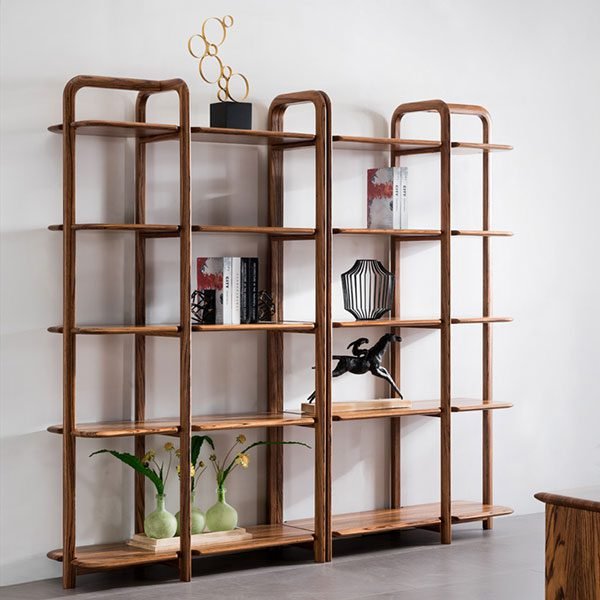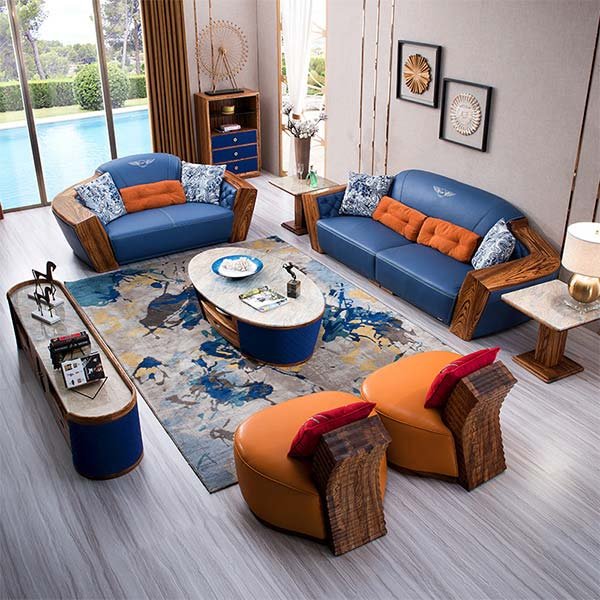
“Harmonize your home with matching living room furniture.”
Benefits of Matching Living Room Furniture
When it comes to decorating a living room, one common question that often arises is whether or not the furniture should match. Some people believe that matching furniture creates a cohesive and harmonious look, while others prefer a more eclectic and mix-and-match approach. While there is no right or wrong answer, there are certainly benefits to having matching living room furniture.
One of the main advantages of having matching living room furniture is that it creates a sense of unity and balance in the space. When all of the furniture pieces coordinate with each other in terms of style, color, and design, it helps to tie the room together and create a cohesive look. This can make the room feel more put-together and visually appealing.
Matching living room furniture can also make the space feel more organized and intentional. When all of the pieces complement each other, it gives the impression that thought and care were put into the design of the room. This can create a sense of harmony and order that can be comforting and inviting for both residents and guests.
In addition, having matching living room furniture can make the space feel more spacious and open. When all of the pieces coordinate with each other, it can create a sense of continuity that visually expands the room. This can be especially beneficial in smaller living rooms, where maximizing space is key.
Another benefit of matching living room furniture is that it can make decorating and styling the room easier. When all of the pieces already complement each other, it takes the guesswork out of mixing and matching different styles and colors. This can save time and effort when it comes to choosing furniture and accessories for the room.
Furthermore, having matching living room furniture can create a sense of sophistication and elegance in the space. When all of the pieces coordinate with each other, it can give the room a more polished and refined look. This can be especially beneficial for those who want to create a more formal or upscale atmosphere in their living room.
While there are certainly benefits to having matching living room furniture, it is important to remember that there are no hard and fast rules when it comes to decorating. Ultimately, the decision to match furniture or not should be based on personal preference and the overall style and feel you want to achieve in your living room.
In conclusion, matching living room furniture can have several benefits, including creating a sense of unity, organization, spaciousness, ease of decorating, and sophistication. However, it is important to remember that there are no strict rules when it comes to decorating, and ultimately the decision should be based on personal preference and the desired look and feel of the space. Whether you choose to match your living room furniture or mix and match different styles, the most important thing is to create a space that reflects your personality and makes you feel at home.
Tips for Mixing and Matching Living Room Furniture
When it comes to decorating your living room, one common question that often arises is whether or not your furniture should match. While matching furniture sets can create a cohesive and polished look, mixing and matching different pieces can add depth and personality to your space. If you’re unsure about how to go about mixing and matching living room furniture, here are some tips to help you create a harmonious and stylish look.
One key tip for mixing and matching living room furniture is to stick to a cohesive color palette. Choose a few key colors that you want to incorporate into your space and use them as a guide when selecting furniture pieces. This will help tie everything together and create a sense of unity in your living room. You can mix different furniture styles as long as they share a common color scheme.
Another important tip is to vary the scale and proportion of your furniture pieces. Mixing different sizes and shapes can create visual interest and prevent your space from looking too uniform. For example, pair a large, overstuffed sofa with a sleek, modern coffee table to create a balanced and dynamic look. Mixing different textures and materials can also add depth and dimension to your living room.
When mixing and matching living room furniture, it’s important to consider the overall style and aesthetic of your space. If you have a modern, minimalist living room, you may want to mix in some vintage or eclectic pieces to add character and warmth. Conversely, if you have a traditional or classic living room, incorporating some contemporary or industrial pieces can give your space a fresh and updated look.
One way to mix and match living room furniture is to focus on a statement piece. Choose one standout piece of furniture, such as a bold patterned armchair or a unique coffee table, and build the rest of your room around it. This can help anchor your space and give you a starting point for selecting other furniture pieces.
When mixing and matching living room furniture, don’t be afraid to experiment and try new things. Play around with different combinations of furniture pieces until you find a look that feels right for you. Remember that mixing and matching living room furniture is all about creating a space that reflects your personal style and tastes.
In conclusion, while matching living room furniture sets can create a cohesive and polished look, mixing and matching different pieces can add personality and character to your space. By following these tips for mixing and matching living room furniture, you can create a stylish and harmonious living room that reflects your unique style and tastes. So go ahead and mix things up – your living room will thank you for it.
How to Create a Cohesive Look with Matching Living Room Furniture
When it comes to decorating your living room, one of the key decisions you’ll need to make is whether or not your furniture should match. While some people prefer a more eclectic mix of pieces, others opt for a more cohesive look by choosing matching furniture sets. There are pros and cons to both approaches, but if you’re looking to create a polished and put-together space, matching living room furniture can be a great option.
One of the main benefits of matching living room furniture is that it creates a sense of unity and harmony in the space. When all of your furniture pieces coordinate with each other, it helps to tie the room together and create a cohesive look. This can make your living room feel more organized and intentional, rather than a hodgepodge of mismatched pieces.
Another advantage of matching living room furniture is that it can make the room feel more spacious and open. When all of your furniture pieces are the same color or style, it creates a sense of continuity that can visually expand the space. This can be especially beneficial in smaller living rooms, where clutter and visual distractions can make the room feel cramped.
On the other hand, some people prefer a more eclectic mix of furniture pieces in their living room. Mixing and matching different styles, colors, and textures can create a more personalized and unique look that reflects your individual style and personality. This approach can also be more budget-friendly, as you can mix and match pieces from different sources rather than purchasing an entire matching set.
If you do decide to go with matching living room furniture, there are a few tips to keep in mind to ensure that your space looks cohesive and well-designed. First, consider the scale and proportion of your furniture pieces. Make sure that they are all similar in size and scale to create a balanced look in the room.
Additionally, pay attention to the color and finish of your furniture pieces. While they don’t have to match exactly, choosing pieces that complement each other in terms of color and finish can help create a cohesive look. For example, if you have a dark wood coffee table, consider choosing a matching end table or entertainment center in a similar finish to tie the room together.
Finally, don’t be afraid to mix in some different textures and patterns to add visual interest to the space. While your furniture pieces should coordinate with each other, adding in a few throw pillows or a rug with a different texture or pattern can help break up the monotony and add depth to the room.
In conclusion, whether or not your living room furniture should match ultimately comes down to personal preference. Matching furniture sets can create a sense of unity and harmony in the space, while mixing and matching pieces can add a more eclectic and personalized touch. Whichever approach you choose, following these tips can help you create a cohesive and well-designed living room that reflects your style and personality.
Conclusion
Living room furniture does not necessarily have to match perfectly, but coordinating colors, styles, and materials can create a cohesive and visually appealing space. Ultimately, the decision to match living room furniture comes down to personal preference and the overall aesthetic you want to achieve in your home.