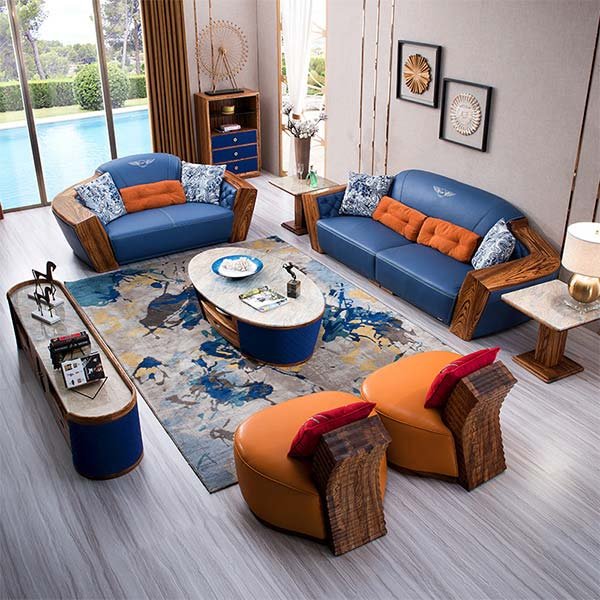
Unveiling the allure of Scandi Noir: Embracing the depths of dark and moody Scandinavian design.
The Influence of Scandinavian Noir on Crime Fiction
Scandinavian Noir, also known as Nordic Noir, has gained immense popularity in recent years, captivating audiences with its dark and moody atmosphere. This genre of crime fiction has not only made its mark in the literary world but has also influenced other forms of media, including television and film. In this article, we will explore the influence of Scandinavian Noir on crime fiction and delve into the reasons behind its widespread appeal.
One of the defining characteristics of Scandinavian Noir is its gritty and realistic portrayal of crime. Unlike traditional crime fiction, which often glamorizes criminal activities, Scandinavian Noir presents a more authentic and unfiltered depiction of the dark underbelly of society. This raw and unapologetic approach to storytelling has resonated with readers around the world, who are drawn to the genre’s ability to confront uncomfortable truths and explore the complexities of human nature.
Scandinavian Noir is also known for its atmospheric settings, which play a crucial role in creating a sense of unease and tension. The bleak and desolate landscapes of Scandinavia, with their long winters and sparse population, provide the perfect backdrop for stories of isolation and despair. The harsh climate and the vastness of the natural surroundings mirror the psychological struggles of the characters, adding an extra layer of depth to the narrative.
Furthermore, Scandinavian Noir often features flawed and morally ambiguous protagonists who are far from the traditional heroic figures found in conventional crime fiction. These characters are plagued by their own demons and are often driven by personal motives rather than a sense of justice. This departure from the typical crime-solving archetype adds a sense of realism and complexity to the stories, making them more relatable and engaging for readers.
The influence of Scandinavian Noir on crime fiction extends beyond the written word. The success of novels such as Stieg Larsson’s “The Girl with the Dragon Tattoo” and Henning Mankell’s “Wallander” series has led to numerous adaptations for television and film. These adaptations have further popularized the genre, introducing it to a wider audience and cementing its place in popular culture.
The appeal of Scandinavian Noir lies not only in its gripping narratives but also in its exploration of social and political issues. The genre often tackles themes such as corruption, inequality, and the abuse of power, shining a light on the darker aspects of society. By addressing these issues head-on, Scandinavian Noir offers a critique of the world we live in, forcing readers to confront uncomfortable truths and question the status quo.
In conclusion, the influence of Scandinavian Noir on crime fiction cannot be overstated. Its gritty realism, atmospheric settings, complex characters, and exploration of social issues have captivated readers and viewers alike. This genre has not only redefined the crime fiction genre but has also left a lasting impact on popular culture. Whether through novels, television series, or films, Scandinavian Noir continues to push boundaries and challenge our perceptions of crime and justice.
Analyzing the Psychological Depth in Scandi Noir Novels
Scandi Noir: Exploring Dark and Moody Scandinavian Design
Scandinavian design has long been admired for its clean lines, minimalist aesthetic, and functional approach. However, there is another side to Scandinavian design that has gained popularity in recent years – Scandi Noir. This genre, which encompasses literature, film, and television, delves into the darker aspects of Scandinavian society, exploring themes of crime, corruption, and psychological depth. In this article, we will analyze the psychological depth found in Scandi Noir novels, and how it adds a unique dimension to the genre.
One of the defining characteristics of Scandi Noir novels is their exploration of the human psyche. Unlike traditional crime fiction, which often focuses solely on the solving of a crime, Scandi Noir delves deeper into the motivations and inner workings of its characters. The protagonists are often flawed individuals, grappling with their own personal demons, which adds a layer of complexity to the narrative. This psychological depth allows readers to not only engage with the plot but also to empathize with the characters on a deeper level.
Another aspect that sets Scandi Noir novels apart is their exploration of societal issues. These novels often serve as a commentary on the darker side of Scandinavian society, shining a light on topics such as political corruption, social inequality, and the impact of globalization. By intertwining these themes with the crime narrative, authors are able to create a thought-provoking and socially relevant reading experience. This combination of psychological depth and social commentary elevates Scandi Noir novels beyond mere entertainment, making them a powerful tool for exploring and understanding the complexities of the human condition.
One of the most notable examples of psychological depth in Scandi Noir is found in Stieg Larsson’s Millennium series, starting with “The Girl with the Dragon Tattoo.” The protagonist, Lisbeth Salander, is a complex and enigmatic character, haunted by a traumatic past. Through her experiences, Larsson explores themes of abuse, misogyny, and the struggle for justice. Salander’s resilience and determination in the face of adversity make her a compelling and relatable character, and her story resonates with readers on a deep emotional level.
In addition to Larsson’s work, authors such as Jo Nesbø, Henning Mankell, and Karin Fossum have also made significant contributions to the genre. Nesbø’s Harry Hole series, for example, delves into the psyche of its troubled detective, exploring themes of addiction, guilt, and redemption. Mankell’s Inspector Wallander series, on the other hand, examines the impact of societal changes on individuals and communities, highlighting the struggles faced by those on the fringes of society. Fossum’s novels often focus on the psychological motivations behind crimes, delving into the minds of both the perpetrators and the investigators.
In conclusion, Scandi Noir novels offer a unique and compelling reading experience, characterized by their psychological depth and exploration of societal issues. By delving into the darker aspects of Scandinavian society, these novels provide a thought-provoking commentary on the human condition. Through complex characters and intricate plots, authors such as Larsson, Nesbø, Mankell, and Fossum have created a genre that goes beyond traditional crime fiction, offering readers a deeper understanding of the complexities of the human psyche. So, if you’re looking for a gripping and intellectually stimulating read, look no further than Scandi Noir.
Unveiling the Cultural Significance of Scandi Noir TV Series
Scandi Noir: Exploring Dark and Moody Scandinavian Design
Scandinavian design has long been admired for its clean lines, minimalist aesthetic, and functional approach. However, in recent years, a new trend has emerged within the realm of Scandinavian design – Scandi Noir. This dark and moody style has gained popularity not only in interior design but also in literature and television. In this article, we will delve into the cultural significance of Scandi Noir TV series and how they have influenced the perception of Scandinavian design.
Scandi Noir, also known as Nordic Noir, refers to a genre of crime fiction that originated in the Nordic countries, particularly Sweden, Denmark, and Norway. These TV series are characterized by their atmospheric settings, complex characters, and gripping storylines. The popularity of Scandi Noir has transcended borders, captivating audiences around the world with its unique blend of suspense and psychological depth.
One of the reasons why Scandi Noir TV series have gained such a devoted following is their ability to reflect the cultural nuances and societal issues of the Scandinavian countries. These shows often explore themes of social inequality, political corruption, and the dark underbelly of seemingly idyllic societies. By delving into these topics, Scandi Noir offers a thought-provoking commentary on the complexities of modern life.
In addition to their compelling narratives, Scandi Noir TV series have also had a significant impact on the perception of Scandinavian design. Traditionally, Scandinavian design has been associated with light, airy spaces, and a focus on natural materials. However, Scandi Noir introduces a darker, more brooding aesthetic that challenges these preconceptions.
The interiors depicted in Scandi Noir TV series are often characterized by their muted color palettes, dim lighting, and a sense of mystery. These spaces exude a sense of melancholy and unease, creating an atmosphere that is both captivating and unsettling. By deviating from the traditional Scandinavian design principles, Scandi Noir showcases a different side of the region’s aesthetic sensibilities.
This departure from the norm has not only influenced the perception of Scandinavian design but has also inspired a new wave of interior design trends. Many people now seek to recreate the dark and moody ambiance of Scandi Noir in their own homes. This has led to an increased demand for darker color schemes, textured materials, and atmospheric lighting fixtures.
Furthermore, Scandi Noir has also influenced the fashion industry, with designers incorporating elements of the genre into their collections. The brooding, minimalist style of the characters in these TV series has become a source of inspiration for many fashion enthusiasts, resulting in a rise in popularity of Scandinavian fashion brands.
In conclusion, Scandi Noir TV series have unveiled a new side of Scandinavian design, challenging the traditional perception of the region’s aesthetic sensibilities. By exploring dark and moody themes, these shows offer a thought-provoking commentary on societal issues while captivating audiences with their atmospheric settings and gripping storylines. The influence of Scandi Noir can be seen not only in interior design but also in fashion, inspiring a new wave of trends that embrace the darker side of Scandinavian style. Whether you are a fan of crime fiction or simply appreciate the beauty of Scandinavian design, Scandi Noir is a genre worth exploring.
Conclusion
In conclusion, Scandi Noir is a design style that embraces dark and moody aesthetics, often associated with Scandinavian countries. It is characterized by its minimalistic approach, use of natural materials, and emphasis on functionality. Scandi Noir design creates a sense of mystery and intrigue, evoking a feeling of coziness and intimacy. This style has gained popularity in recent years, not only in interior design but also in fashion, literature, and film. Overall, Scandi Noir offers a unique and captivating design experience that continues to inspire and influence various creative industries.