Reviving the 70s: Incorporating Retro Vibes into Contemporary Interiors
The 70s were a time of bold colors, funky patterns, and groovy vibes. From the fashion industry to interior design, the 70s left an indelible mark on popular culture. Today, many people are looking to bring back the retro vibes of this iconic era by incorporating 70s-inspired furniture into their contemporary interiors.
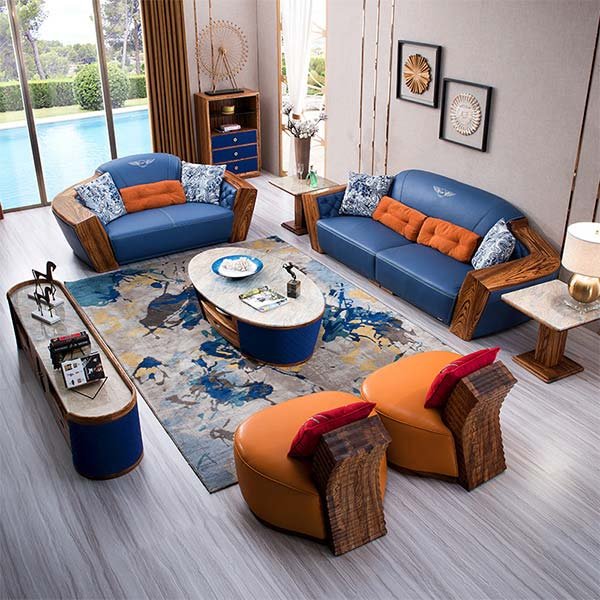
One of the key elements of 70s design is the use of vibrant colors. From burnt oranges and mustard yellows to avocado greens and earthy browns, these bold hues were a staple of 70s interiors. To bring the 70s back into your home, consider incorporating these colors into your furniture choices. A burnt orange sofa or a mustard yellow armchair can instantly transport you back to the groovy days of the 70s.
In addition to bold colors, the 70s were known for their funky patterns. From psychedelic swirls to geometric shapes, these patterns added a sense of fun and whimsy to any space. To incorporate retro vibes into your contemporary interior, look for furniture pieces with these eye-catching patterns. A rug with a psychedelic swirl design or a chair with a geometric print can instantly add a touch of the 70s to your home.
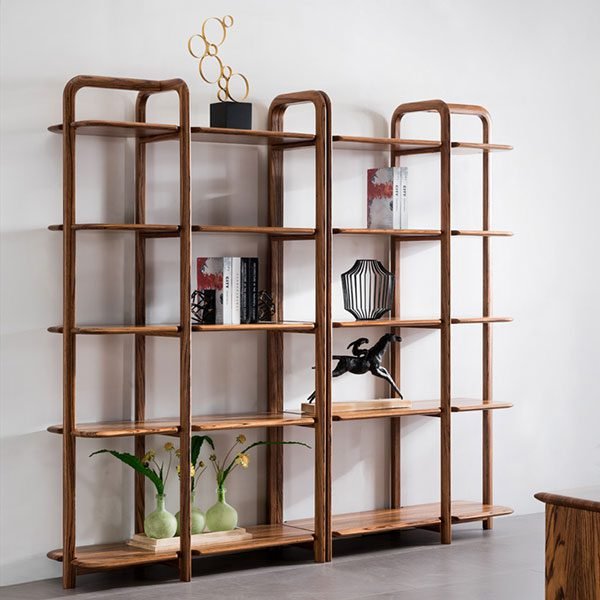
Another characteristic of 70s design is the use of natural materials. During this era, there was a shift towards more sustainable and eco-friendly materials. Furniture made from wood, rattan, and wicker became popular choices. To bring the 70s back into your home, consider incorporating furniture pieces made from these natural materials. A wooden coffee table or a rattan chair can add a touch of retro charm to your contemporary interior.
In addition to furniture, lighting played a crucial role in 70s design. Iconic lighting fixtures such as the Sputnik chandelier and the lava lamp became synonymous with the era. To bring the 70s back into your home, consider adding these retro lighting fixtures to your space. A Sputnik chandelier in the dining room or a lava lamp in the living room can instantly transport you back to the disco era.
When incorporating retro vibes into your contemporary interior, it’s important to strike a balance between the old and the new. While it’s fun to bring back the 70s, you don’t want your space to feel outdated or kitschy. To achieve a modern take on retro design, consider mixing vintage-inspired furniture with contemporary pieces. For example, pair a retro-inspired sofa with sleek, minimalist side tables. This juxtaposition of old and new will create a unique and stylish look.
In conclusion, bringing the 70s back with modern furniture is a fun and stylish way to incorporate retro vibes into your contemporary interior. By incorporating bold colors, funky patterns, natural materials, and iconic lighting fixtures, you can create a space that pays homage to the groovy era while still feeling fresh and modern. So go ahead, embrace your inner disco diva and bring the 70s back into your home.
Nostalgic Décor: How to Infuse Modern Spaces with Retro Charm
Retro Vibes: Bringing the 70s Back with Modern Furniture
Nostalgic Décor: How to Infuse Modern Spaces with Retro Charm
In recent years, there has been a resurgence of interest in retro design. The 70s, in particular, with its bold colors, funky patterns, and unique furniture styles, has captured the imagination of many interior designers and homeowners alike. While some may be hesitant to fully embrace the retro look, there are ways to infuse modern spaces with a touch of nostalgic charm.
One of the easiest ways to bring retro vibes into a modern space is through the use of furniture. The 70s was known for its iconic furniture designs, such as the egg chair, the bean bag chair, and the modular sofa. These pieces can be incorporated into a modern setting to create a unique and eclectic look. For example, a sleek and minimalist living room can be instantly transformed with the addition of a retro-inspired egg chair in a vibrant color.
When selecting retro furniture for a modern space, it is important to consider the overall aesthetic of the room. Mixing and matching different styles and eras can create a visually interesting and dynamic space. For instance, pairing a mid-century modern coffee table with a retro-inspired sofa can create a harmonious balance between old and new. Additionally, incorporating vintage accessories, such as lamps or wall art, can further enhance the retro feel of the space.
Color is another key element in infusing modern spaces with retro charm. The 70s was known for its bold and vibrant color palette, with hues such as avocado green, burnt orange, and mustard yellow dominating the design scene. To incorporate these colors into a modern space, one can opt for accent pieces, such as throw pillows or rugs, in these retro shades. Alternatively, painting an accent wall in a bold color can instantly transform a room and give it a retro vibe.
In addition to furniture and color, patterns play a crucial role in creating a retro-inspired space. The 70s was characterized by bold and geometric patterns, such as paisley, floral, and abstract designs. These patterns can be incorporated into a modern space through the use of wallpaper, upholstery, or even artwork. Mixing different patterns can add visual interest and create a playful and nostalgic atmosphere.
While infusing modern spaces with retro charm can be a fun and creative endeavor, it is important to strike a balance between old and new. Too much retro can make a space feel dated and overwhelming, while too much modern can make it feel cold and impersonal. Finding the right balance is key to creating a space that is both nostalgic and contemporary.
In conclusion, bringing the 70s back with modern furniture is a trend that has gained popularity in recent years. By incorporating retro-inspired furniture, bold colors, and geometric patterns, it is possible to infuse modern spaces with a touch of nostalgic charm. The key is to find the right balance between old and new, creating a space that is both visually interesting and inviting. So why not embrace the retro vibes and give your modern space a unique and eclectic twist?
Retro Reimagined: Exploring the Timeless Appeal of 70s-Inspired Furniture
Retro Vibes: Bringing the 70s Back with Modern Furniture
The 1970s was a decade known for its bold and vibrant style. From fashion to music, the 70s exuded a sense of freedom and self-expression. One area where this unique aesthetic is still celebrated today is in home decor, particularly with 70s-inspired furniture. With its timeless appeal and ability to add a touch of nostalgia to any space, retro furniture is making a comeback in modern homes.
One of the key features of 70s-inspired furniture is its use of bold colors and patterns. From earthy tones like avocado green and burnt orange to psychedelic prints, these pieces instantly transport you back to the groovy era. Incorporating these vibrant hues into your home can create a fun and energetic atmosphere. Whether it’s a statement sofa or a funky accent chair, these colorful pieces can become the focal point of any room.
In addition to its vibrant colors, 70s-inspired furniture also embraces unique shapes and textures. From curved lines to geometric patterns, these pieces have a distinct and eye-catching design. The use of materials like velvet and shaggy rugs adds a touch of luxury and comfort to the overall aesthetic. By incorporating these elements into your home, you can create a space that is both visually appealing and cozy.
Another characteristic of 70s-inspired furniture is its emphasis on functionality. During this era, furniture was designed to be versatile and multi-purpose. Pieces like modular sofas and storage ottomans were popular choices, as they allowed homeowners to maximize their living space. This focus on functionality is still relevant today, as many people are looking for furniture that can adapt to their changing needs. By incorporating 70s-inspired furniture into your home, you can create a space that is not only stylish but also practical.
One of the great things about retro furniture is its ability to blend seamlessly with modern decor. Whether you have a contemporary or traditional style, incorporating 70s-inspired pieces can add a unique and eclectic touch to your space. Mixing old and new creates a sense of balance and adds depth to your overall design. By combining modern elements with retro furniture, you can create a space that is both timeless and on-trend.
When it comes to incorporating 70s-inspired furniture into your home, there are a few key considerations to keep in mind. First, think about the scale of the pieces you choose. Retro furniture tends to have a larger and bulkier design, so make sure you have enough space to accommodate these pieces. Additionally, consider the overall color scheme of your space. While bold colors can add a fun and energetic vibe, make sure they complement the existing colors in your home.
In conclusion, retro furniture from the 70s is making a comeback in modern homes. With its bold colors, unique shapes, and emphasis on functionality, 70s-inspired furniture adds a touch of nostalgia and personality to any space. By incorporating these pieces into your home, you can create a space that is both stylish and timeless. So why not embrace the retro vibes and bring a little bit of the 70s back into your life?
Conclusion
In conclusion, Retro Vibes is a concept that aims to bring the 70s back with modern furniture. By combining elements of nostalgia and contemporary design, Retro Vibes offers a unique and stylish way to incorporate the iconic aesthetic of the 70s into modern living spaces. With its bold colors, geometric patterns, and sleek lines, Retro Vibes furniture adds a touch of nostalgia while still maintaining a fresh and updated look. Whether it’s a statement piece or a complete room makeover, Retro Vibes allows individuals to embrace the charm and character of the 70s in a modern and stylish way.