Unveiling the cutting-edge furniture trends of the year.
The Rise of Minimalist Furniture: Embracing Simplicity and Functionality
In recent years, there has been a noticeable shift in the world of furniture design. Gone are the days of ornate and elaborate pieces that dominated the market. Instead, a new trend has emerged – minimalist furniture. This style embraces simplicity and functionality, offering a clean and uncluttered aesthetic that is both visually appealing and practical.
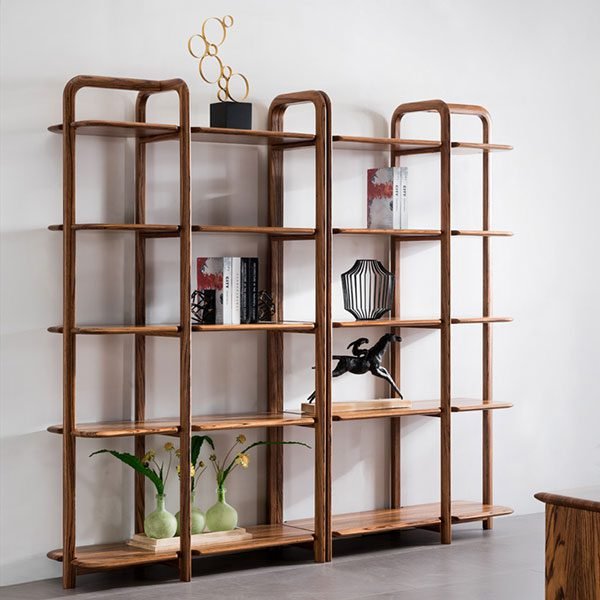
One of the key characteristics of minimalist furniture is its clean lines and sleek design. These pieces often feature straight edges and simple shapes, creating a sense of order and harmony in any space. By eliminating unnecessary embellishments and decorative elements, minimalist furniture allows the beauty of the materials and the craftsmanship to shine through.
Another important aspect of minimalist furniture is its focus on functionality. These pieces are designed with a purpose in mind, prioritizing usability and practicality. For example, a minimalist dining table may have built-in storage compartments or extendable leaves to accommodate different needs. Similarly, a minimalist sofa may have hidden storage or a pull-out bed for added versatility. This emphasis on functionality ensures that every piece of furniture serves a purpose and maximizes the use of space.
Minimalist furniture also tends to favor neutral colors and natural materials. Whites, grays, and earth tones are commonly used to create a calm and serene atmosphere. This color palette allows the furniture to blend seamlessly with any interior design style, making it a versatile choice for homeowners and designers alike. Additionally, natural materials such as wood, leather, and metal are often used in minimalist furniture, adding warmth and texture to the space.
One of the reasons behind the rise of minimalist furniture is the growing popularity of small-space living. As urban areas become more crowded and housing prices continue to rise, many people are opting for smaller homes and apartments. In these compact spaces, every square inch counts, and minimalist furniture offers a solution. Its clean and uncluttered design helps create an illusion of spaciousness, making it ideal for those looking to maximize their living area.
Furthermore, minimalist furniture aligns with the principles of sustainability and conscious consumption. With its focus on functionality and durability, these pieces are built to last. By investing in high-quality minimalist furniture, consumers can reduce their environmental impact and avoid the need for frequent replacements. Additionally, the timeless design of minimalist furniture ensures that it will remain relevant and stylish for years to come, further reducing waste.
In conclusion, the rise of minimalist furniture is a testament to the changing tastes and needs of consumers. This style embraces simplicity and functionality, offering a clean and uncluttered aesthetic that is both visually appealing and practical. With its clean lines, focus on functionality, neutral colors, and natural materials, minimalist furniture has become a popular choice for those looking to create a calm and serene living space. Moreover, its compatibility with small-space living and its alignment with sustainability principles make it a trend that is here to stay. So, whether you are furnishing a small apartment or simply looking to declutter your home, consider embracing the minimalist furniture trend and enjoy the benefits it brings.
Sustainable Furniture: Eco-Friendly Designs for a Greener Future
Sustainable Furniture: Eco-Friendly Designs for a Greener Future
In recent years, there has been a growing awareness and concern for the environment. As a result, many industries, including the furniture industry, have started to embrace sustainable practices. Sustainable furniture is not only good for the planet, but it also offers a unique and stylish way to decorate your home. In this article, we will explore some of the hottest furniture trends of the year that are focused on eco-friendly designs.
One of the key aspects of sustainable furniture is the use of recycled materials. Many designers are now using reclaimed wood, which is wood that has been salvaged from old buildings or furniture. This not only reduces the demand for new wood but also gives a second life to materials that would otherwise end up in landfills. Reclaimed wood furniture has a rustic and vintage charm that adds character to any space.
Another popular trend in sustainable furniture is the use of natural and organic materials. Designers are now opting for fabrics made from organic cotton or hemp, which are grown without the use of harmful pesticides or synthetic fertilizers. These materials are not only better for the environment but also for your health, as they are free from harmful chemicals. Natural fibers like jute and bamboo are also being used to create unique and eco-friendly furniture pieces.
In addition to using recycled and organic materials, sustainable furniture also focuses on reducing waste. Many designers are now creating furniture that is modular and multifunctional. This means that a single piece of furniture can serve multiple purposes, eliminating the need for additional items. For example, a coffee table that can be transformed into a dining table or a sofa that can be converted into a bed. This not only saves space but also reduces the amount of furniture that ends up in landfills.
Furthermore, sustainable furniture also takes into consideration the manufacturing process. Many designers are now opting for local production, which reduces the carbon footprint associated with transportation. They are also using low-energy production methods and non-toxic finishes to minimize the environmental impact. By choosing furniture that is made sustainably, you can be confident that you are supporting ethical and responsible practices.
The demand for sustainable furniture has been steadily increasing, and many retailers are now offering a wide range of eco-friendly options. Whether you prefer a minimalist Scandinavian design or a bohemian-inspired style, there is a sustainable furniture piece to suit your taste. Additionally, many designers are collaborating with local artisans and craftsmen to create unique and one-of-a-kind pieces that are not only sustainable but also showcase traditional craftsmanship.
In conclusion, sustainable furniture is a hot trend in the design world, and for good reason. It offers a stylish and eco-friendly way to decorate your home while also supporting ethical and responsible practices. From reclaimed wood furniture to organic fabrics and modular designs, there are plenty of options to choose from. By opting for sustainable furniture, you can create a greener future for yourself and the planet.
Mixing and Matching Styles: Creating Unique and Personalized Spaces
Mixing and Matching Styles: Creating Unique and Personalized Spaces
In the world of interior design, there is a growing trend towards mixing and matching different styles to create unique and personalized spaces. Gone are the days of sticking to one particular design style throughout an entire room. Instead, homeowners and designers are embracing the idea of combining elements from various styles to create a space that is truly one-of-a-kind.
One of the reasons why mixing and matching styles has become so popular is because it allows for a greater level of self-expression. By combining different design elements, homeowners can create a space that reflects their own personal tastes and interests. This can be particularly appealing for those who have eclectic tastes or who simply don’t want to be confined to one particular style.
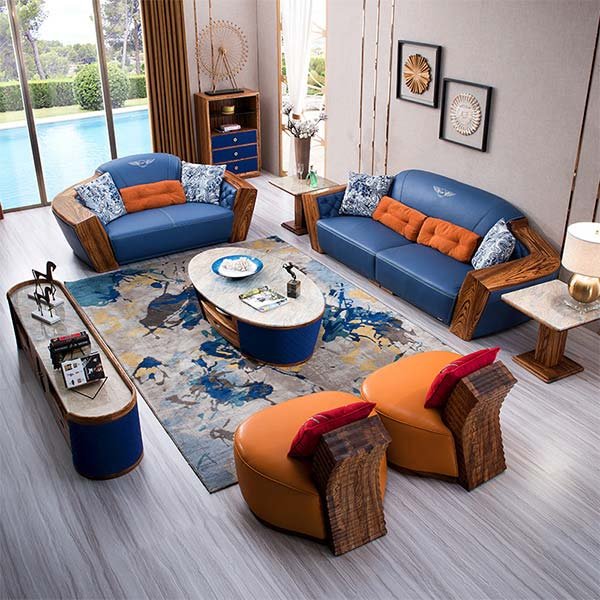
Another benefit of mixing and matching styles is that it can create a sense of visual interest and depth in a room. By combining different textures, colors, and patterns, designers can create a space that is visually stimulating and engaging. This can be achieved by incorporating elements from different design styles, such as pairing a modern sofa with a vintage coffee table or mixing contemporary artwork with traditional furniture.
When it comes to mixing and matching styles, there are a few key principles to keep in mind. First and foremost, it’s important to have a cohesive color palette. While it’s perfectly fine to mix different styles, having a consistent color scheme will help tie everything together and create a sense of harmony in the space. This can be achieved by selecting a few key colors and incorporating them throughout the room.
Another important principle to consider is scale and proportion. When mixing different styles, it’s important to ensure that the pieces you choose are in proportion to one another. For example, if you have a large, modern sofa, it may not work well with a small, delicate coffee table. Instead, opt for a larger, more substantial piece that can hold its own next to the sofa.
In addition to scale and proportion, it’s also important to consider the overall mood and atmosphere you want to create in the space. Different design styles evoke different emotions, so it’s important to choose elements that align with the desired mood. For example, if you want to create a cozy, rustic atmosphere, you may choose to incorporate elements from farmhouse or cottage styles. On the other hand, if you want to create a sleek, modern space, you may opt for elements from minimalist or Scandinavian design.
Ultimately, mixing and matching styles is all about creating a space that is unique and personalized. By combining different design elements, homeowners and designers can create a space that reflects their own personal tastes and interests. Whether it’s pairing a vintage rug with a contemporary sofa or mixing traditional artwork with modern furniture, the possibilities are endless. So, don’t be afraid to experiment and have fun with your design choices. After all, the beauty of mixing and matching styles is that there are no rules – only endless opportunities for creativity and self-expression.
Conclusion
In conclusion, Modern Marvels: Exploring the Hottest Furniture Trends of the Year showcases the latest and most innovative furniture designs that have gained popularity in the current year. These trends reflect a combination of functionality, aesthetics, and sustainability, catering to the evolving needs and preferences of consumers. From minimalist and multifunctional pieces to eco-friendly materials and bold colors, the furniture industry continues to push boundaries and create modern marvels that enhance both the style and functionality of living spaces.