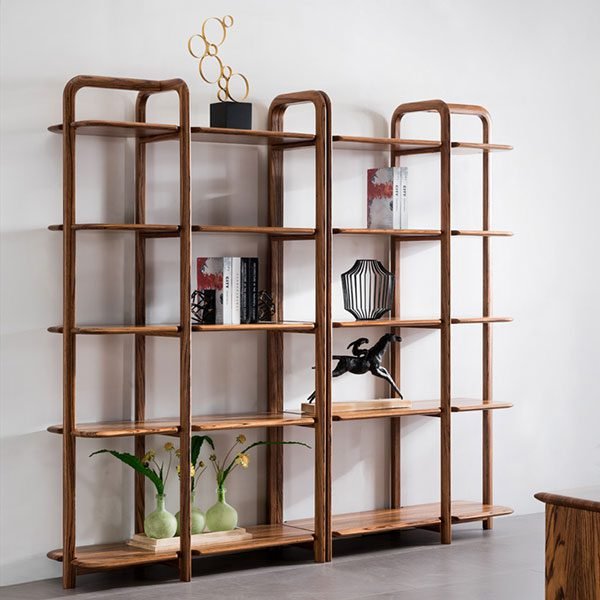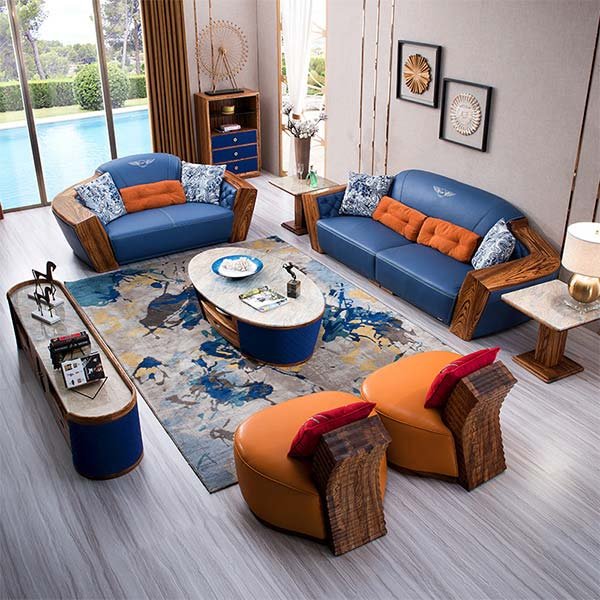
“Embrace the future of style with modern furniture trends for a contemporary home.”
The Rise of Minimalist Design: How to Embrace Simplicity in Your Living Space
The Rise of Minimalist Design: How to Embrace Simplicity in Your Living Space
In recent years, there has been a growing trend towards minimalist design in the world of furniture. This style, characterized by clean lines, simple shapes, and a focus on functionality, has become increasingly popular among homeowners looking to create a sense of calm and tranquility in their living spaces. In this article, we will explore the rise of minimalist design and provide some tips on how to incorporate contemporary pieces into your home.
One of the key principles of minimalist design is the idea of decluttering and simplifying. This means getting rid of unnecessary items and only keeping those that are truly essential. By doing so, you can create a sense of openness and spaciousness in your living space. To achieve this, start by taking a critical look at your current furniture and accessories. Are there any pieces that you no longer use or that do not serve a practical purpose? If so, consider donating or selling them to make room for more minimalist pieces.
When it comes to choosing furniture for a minimalist design, it is important to focus on quality over quantity. Instead of filling your space with numerous pieces, opt for a few high-quality items that will stand the test of time. Look for furniture that is made from natural materials such as wood or metal, as these materials tend to have a timeless and elegant appeal. Additionally, choose pieces that have clean lines and simple shapes, as these will help to create a sense of harmony and balance in your living space.
Another important aspect of minimalist design is the use of neutral colors. By sticking to a palette of whites, grays, and earth tones, you can create a sense of calm and serenity in your home. This does not mean that your space has to be devoid of color entirely, however. You can add pops of color through accessories such as throw pillows, rugs, or artwork. Just be sure to choose colors that complement the overall aesthetic of your space and do not overwhelm the senses.
Incorporating contemporary pieces into a minimalist design can be a great way to add a touch of modernity to your living space. Look for furniture that combines sleek lines with innovative materials or finishes. For example, a glass coffee table with a metal frame can add a contemporary touch to a minimalist living room. Similarly, a minimalist dining table with a marble top can create a sense of luxury and sophistication in a minimalist dining area.
When arranging your furniture, it is important to consider the flow of your space. In a minimalist design, each piece should have a purpose and should be placed in a way that allows for easy movement and functionality. Avoid cluttering your space with unnecessary furniture or accessories, and instead focus on creating a sense of openness and balance. By doing so, you can create a living space that is not only aesthetically pleasing but also functional and practical.
In conclusion, the rise of minimalist design has brought about a shift in the world of furniture. By embracing simplicity and focusing on quality, homeowners can create a sense of calm and tranquility in their living spaces. By incorporating contemporary pieces into a minimalist design, you can add a touch of modernity and sophistication to your home. So, why not give it a try and see how minimalist design can transform your living space?
Mixing and Matching: Blending Different Styles for a Unique and Eclectic Look
Mixing and Matching: Blending Different Styles for a Unique and Eclectic Look
In today’s fast-paced world, where trends come and go in the blink of an eye, it can be challenging to keep up with the latest in furniture design. However, one trend that has stood the test of time is the incorporation of contemporary pieces into our homes. By mixing and matching different styles, we can create a unique and eclectic look that reflects our personal taste and style.
Gone are the days when furniture had to match perfectly. Nowadays, it’s all about creating a curated and personalized space that tells a story. By blending different styles, we can add depth and character to our homes, making them truly one-of-a-kind.
One way to achieve this look is by combining modern and traditional furniture. For example, pairing a sleek and minimalist sofa with a vintage coffee table can create a striking contrast that adds visual interest to a living room. Similarly, placing a contemporary dining table in a room with antique chairs can create a captivating juxtaposition that sparks conversation.
Another way to mix and match different styles is by incorporating pieces from different cultures. Global influences have become increasingly popular in interior design, and by incorporating furniture from different parts of the world, we can create a truly unique and eclectic look. For instance, placing a Moroccan rug in a modern living room or adding a Chinese-inspired cabinet to a traditional bedroom can add a touch of exoticism and create a sense of wanderlust.
When mixing and matching different styles, it’s important to consider the overall color palette of the room. While contrasting styles can create a visually appealing look, it’s essential to ensure that the colors of the different pieces complement each other. By sticking to a cohesive color scheme, we can create a harmonious and balanced space that feels intentional and well thought out.
In addition to blending different styles, it’s also important to consider the scale and proportion of the furniture pieces. Mixing large and small items can create a sense of balance and prevent the room from feeling cluttered or overwhelming. For example, pairing a large sectional sofa with a delicate side table can create a visually pleasing contrast that adds depth and dimension to a living room.
When it comes to mixing and matching different styles, there are no hard and fast rules. The key is to trust your instincts and have fun with the process. Experiment with different combinations, and don’t be afraid to take risks. After all, the beauty of incorporating contemporary pieces into our homes lies in the freedom to express our individuality and create a space that truly reflects who we are.
In conclusion, blending different styles is a great way to incorporate contemporary furniture into our homes. By mixing modern and traditional pieces, incorporating furniture from different cultures, and considering color palettes and scale, we can create a unique and eclectic look that reflects our personal taste and style. So, don’t be afraid to mix and match – let your creativity soar and create a space that is truly one-of-a-kind.
Sustainable and Eco-Friendly Furniture: Exploring Environmentally Conscious Options for a Greener Home
In recent years, there has been a growing trend towards sustainable and eco-friendly furniture. As people become more aware of the impact their choices have on the environment, they are seeking out furniture options that are not only stylish and modern but also environmentally conscious. This article will explore some of the options available for incorporating sustainable and eco-friendly furniture into your home, helping you create a greener living space.
One of the most popular choices for sustainable furniture is reclaimed wood. Reclaimed wood is wood that has been salvaged from old buildings, barns, or other structures that are no longer in use. By using reclaimed wood, you are not only giving new life to old materials but also reducing the demand for new timber. Reclaimed wood furniture can add a rustic and unique touch to your home, while also being a sustainable choice.
Another option for eco-friendly furniture is bamboo. Bamboo is a fast-growing grass that can be harvested and regrown within a few years, making it a highly renewable resource. Bamboo furniture is not only sustainable but also durable and lightweight. It can be used to create a wide range of furniture pieces, from chairs and tables to bed frames and shelving units. Bamboo furniture can add a touch of natural elegance to any room in your home.
If you are looking for upholstery options that are environmentally friendly, consider fabrics made from organic or recycled materials. Organic fabrics are made from natural fibers that have been grown without the use of pesticides or synthetic fertilizers. These fabrics are not only better for the environment but also for your health, as they are free from harmful chemicals. Recycled fabrics, on the other hand, are made from post-consumer waste, such as plastic bottles or old clothing. By choosing furniture upholstered in organic or recycled fabrics, you can reduce your carbon footprint and support sustainable manufacturing practices.
In addition to the materials used, it is also important to consider the manufacturing process when choosing sustainable furniture. Look for furniture that is made using low-impact production methods, such as water-based adhesives and non-toxic finishes. These methods minimize the use of harmful chemicals and reduce the environmental impact of the manufacturing process. Additionally, consider furniture that is made locally, as this reduces the carbon emissions associated with transportation.
When it comes to sustainable and eco-friendly furniture, it is not just about the materials and manufacturing process, but also about the lifespan of the furniture. Investing in high-quality, durable pieces that will last for years to come is a sustainable choice. By choosing furniture that is built to last, you can reduce the need for frequent replacements and contribute to a more sustainable lifestyle.
In conclusion, incorporating sustainable and eco-friendly furniture into your home is not only a stylish choice but also an environmentally conscious one. Reclaimed wood, bamboo, and organic or recycled fabrics are just a few of the options available for creating a greener living space. By considering the materials, manufacturing process, and lifespan of the furniture, you can make choices that have a positive impact on the environment. So why not embrace the modern furniture trends and create a home that is both stylish and sustainable?
Conclusion
In conclusion, modern furniture trends emphasize the incorporation of contemporary pieces into homes. This involves using sleek and minimalist designs, incorporating natural materials, and focusing on functionality and comfort. By embracing these trends, homeowners can create a stylish and contemporary living space that reflects their personal style and enhances the overall aesthetic of their home.