Optimize your living room with strategic sofa placement.
Maximizing Space: Tips for Arranging Your Living Room Sofa
The living room is often the central gathering space in a home, where family and friends come together to relax and socialize. One of the key elements in creating a comfortable and functional living room is the placement of the sofa. The sofa serves as the focal point of the room and sets the tone for the overall layout and arrangement of furniture. In this article, we will explore strategies for optimal sofa placement to maximize space and create a harmonious living room.
When arranging your living room furniture, it is important to consider the size and shape of the room. If you have a small living room, you may need to be more creative with your sofa placement to make the most of the available space. One strategy is to place the sofa against a wall, which can help to open up the room and create a sense of spaciousness. Another option is to position the sofa diagonally in a corner, which can create a more interesting and dynamic layout.
In addition to considering the size and shape of the room, it is also important to think about the flow of traffic in the space. You want to ensure that there is enough room for people to move around the sofa comfortably without feeling cramped or restricted. One way to achieve this is by leaving a clear pathway between the sofa and other furniture pieces or walls. This will not only make the room feel more open, but it will also make it easier for people to navigate the space.
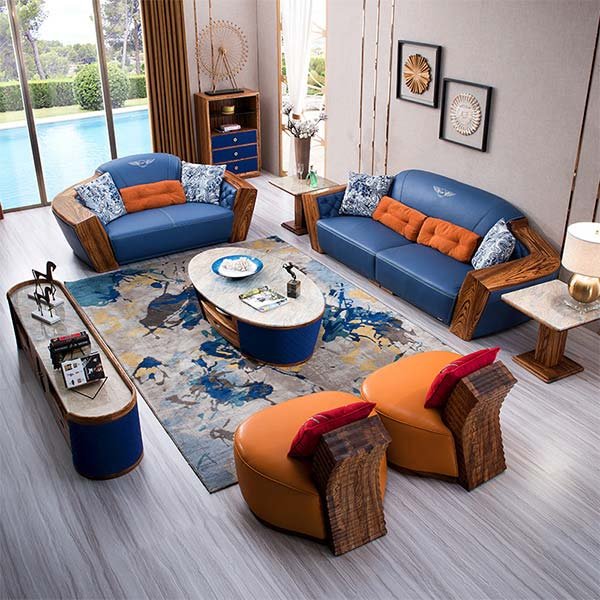
Another important consideration when arranging your living room sofa is the placement of other furniture pieces. The sofa should be positioned in a way that allows for easy conversation and interaction with other seating options, such as chairs or loveseats. One popular arrangement is to place the sofa facing a pair of chairs, creating a cozy and intimate seating area. Alternatively, you can position the sofa perpendicular to other seating options, which can create a more open and inviting layout.
When it comes to the placement of the coffee table, it is important to strike a balance between functionality and aesthetics. The coffee table should be within easy reach of the sofa, allowing for convenient access to drinks, snacks, and other items. At the same time, it should not obstruct the flow of traffic or take up too much space. A good rule of thumb is to leave at least 18 inches of space between the coffee table and the edge of the sofa, ensuring that there is enough room for people to move around comfortably.
In conclusion, the placement of your living room sofa plays a crucial role in creating a comfortable and functional space. By considering the size and shape of the room, the flow of traffic, and the placement of other furniture pieces, you can maximize space and create a harmonious living room. Whether you have a small or large living room, there are strategies that can help you achieve optimal sofa placement. So take the time to carefully plan and arrange your furniture, and enjoy a living room that is both stylish and inviting.
Creating a Focal Point: How to Position Your Sofa for Visual Impact
Creating a Focal Point: How to Position Your Sofa for Visual Impact
When it comes to arranging furniture in your living room, the placement of your sofa is crucial. The sofa is often the largest and most prominent piece of furniture in the room, and its positioning can greatly affect the overall look and feel of the space. By strategically placing your sofa, you can create a focal point that draws the eye and enhances the visual impact of your living room.
One effective strategy for positioning your sofa is to place it facing the main entrance or focal point of the room. This arrangement not only creates a welcoming atmosphere but also allows for easy conversation and interaction with guests. By positioning your sofa in this way, you can make it the centerpiece of the room and ensure that it commands attention.
Another option is to position your sofa against a wall. This arrangement works particularly well in smaller living rooms or spaces with limited floor area. By placing the sofa against a wall, you can maximize the available space and create a more open and spacious feel. Additionally, this arrangement allows for easy traffic flow and makes it easier to arrange other furniture pieces around the sofa.
If you have a large living room or an open floor plan, you may consider floating your sofa in the middle of the room. This arrangement can create a sense of balance and symmetry, especially if you have other furniture pieces that can be arranged around the sofa. By floating the sofa, you can also create distinct zones within the room, such as a seating area and a separate entertainment or reading area.
In addition to the position of the sofa, the orientation of the seating arrangement is also important. One popular option is to arrange the sofa and other seating pieces in an L-shape or U-shape configuration. This arrangement promotes conversation and allows for easy interaction among guests. It also creates a cozy and intimate atmosphere, perfect for gatherings or family movie nights.
When positioning your sofa, it’s important to consider the overall flow and function of the room. Take into account the location of windows, doors, and other architectural features. Ensure that the sofa does not block any natural light or impede the flow of traffic. By carefully considering these factors, you can create a functional and visually appealing arrangement that enhances the overall design of your living room.
In conclusion, the placement of your sofa is a key factor in creating a focal point and achieving optimal furniture arrangement in your living room. Whether you choose to position it facing the main entrance, against a wall, or floating in the middle of the room, the goal is to create a visually appealing and functional space. By considering the size and layout of your room, as well as the flow and function of the space, you can create a seating arrangement that enhances the overall design and makes your living room a welcoming and inviting space for both family and guests.
Balancing Function and Style: Choosing the Right Sofa Placement for Your Living Room
The living room is often the heart of the home, where family and friends gather to relax and spend quality time together. One of the most important elements in any living room is the sofa, as it provides a comfortable and inviting place to sit. However, choosing the right placement for your sofa can be a challenging task. It’s important to strike a balance between function and style to create an optimal furniture arrangement.
When it comes to sofa placement, there are a few key strategies to consider. First and foremost, you need to think about the size and shape of your living room. If you have a small space, it’s important to choose a sofa that fits proportionally and doesn’t overwhelm the room. On the other hand, if you have a large living room, you have more flexibility in terms of sofa size and placement.
Another important factor to consider is the focal point of the room. In most living rooms, the focal point is the television or fireplace. When placing your sofa, it’s important to position it in a way that allows for easy viewing of the focal point. This could mean placing the sofa directly across from the television or angling it towards the fireplace.
In addition to the focal point, you also need to consider the flow of traffic in the room. You want to ensure that there is enough space for people to move around the sofa without feeling cramped. This is especially important if you frequently entertain guests or have a large family. One way to achieve this is by placing the sofa against a wall, leaving enough space for a clear pathway.
Furthermore, it’s important to consider the function of your living room. If you use your living room primarily for watching television, you may want to consider a sectional sofa that allows for optimal viewing angles. On the other hand, if you use your living room for more formal gatherings, a traditional sofa with a coffee table may be more appropriate.
When it comes to style, there are a few different approaches you can take. One popular option is to create a symmetrical arrangement by placing two identical sofas facing each other. This creates a sense of balance and symmetry in the room. Another option is to create a more casual and eclectic look by mixing and matching different styles of sofas and chairs.
In terms of color and fabric, it’s important to choose a sofa that complements the overall color scheme of your living room. If you have a neutral color palette, you can add pops of color with accent pillows or throws. On the other hand, if you have a bold and vibrant color scheme, a neutral sofa can help to balance out the room.
In conclusion, finding the right placement for your living room sofa is a crucial step in creating an optimal furniture arrangement. By considering the size and shape of your room, the focal point, the flow of traffic, and the function and style of your living room, you can create a comfortable and inviting space for all to enjoy. So take the time to carefully plan and arrange your sofa, and you’ll be rewarded with a living room that is both functional and stylish.
Conclusion
In conclusion, optimal living room sofa placement involves considering factors such as the room’s size, shape, and focal point. Strategies such as creating a conversation area, allowing for traffic flow, and maximizing space utilization can help achieve a balanced and functional furniture arrangement. Ultimately, the goal is to create a comfortable and visually appealing living room layout that promotes social interaction and relaxation.