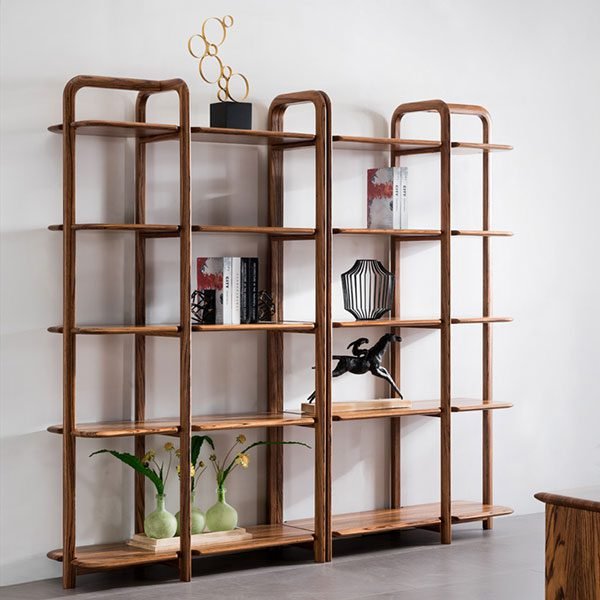
“Keep your living room looking fresh with these furniture maintenance tips for long-lasting style.”
Regular Cleaning and Dusting Techniques
When it comes to maintaining your living room furniture for long-term use, regular cleaning and dusting are essential tasks that should not be overlooked. Dust, dirt, and grime can accumulate on your furniture over time, leading to wear and tear if not properly addressed. By incorporating simple cleaning and dusting techniques into your routine, you can extend the life of your furniture and keep it looking its best for years to come.
One of the most basic yet effective ways to maintain your living room furniture is by regularly dusting it. Dust can settle on surfaces and upholstery, making your furniture look dull and dirty. To prevent this, use a soft, microfiber cloth to gently wipe down your furniture on a weekly basis. This will help remove dust and prevent it from building up over time. Be sure to pay attention to areas that are often overlooked, such as the backs and sides of furniture pieces, as well as underneath cushions and in between crevices.
In addition to dusting, it is important to vacuum your furniture regularly to remove dirt and debris that can become embedded in upholstery and crevices. Use a soft brush attachment to gently vacuum the surface of your furniture, being careful not to scratch or damage the fabric. Pay special attention to areas where crumbs, pet hair, or other debris may accumulate, such as under cushions and in between seat cushions. Vacuuming your furniture on a monthly basis will help keep it looking clean and fresh.
For leather furniture, it is important to use a specialized cleaner and conditioner to maintain its appearance and prevent drying and cracking. Avoid using harsh chemicals or abrasive cleaners, as these can damage the leather and cause it to lose its luster. Instead, opt for a gentle leather cleaner and conditioner that is specifically designed for use on leather furniture. Apply the cleaner with a soft cloth, working in small sections and buffing the leather to remove dirt and grime. Follow up with a conditioner to keep the leather soft and supple.
For wood furniture, regular dusting and polishing are key to maintaining its beauty and shine. Use a soft, lint-free cloth to dust your wood furniture on a weekly basis, being careful not to scratch the surface. To polish wood furniture, use a high-quality wood polish that is suitable for the type of wood you have. Apply the polish with a soft cloth, working in small sections and buffing the wood to a shine. Avoid using water or harsh chemicals on wood furniture, as these can damage the finish and cause it to deteriorate over time.
By incorporating these simple cleaning and dusting techniques into your routine, you can keep your living room furniture looking its best for years to come. Regular maintenance is key to preserving the beauty and longevity of your furniture, so be sure to make it a priority in your household chores. With a little time and effort, you can enjoy your furniture for many years to come.
Proper Placement and Arrangement of Furniture
Proper placement and arrangement of furniture in your living room is essential for maintaining its aesthetic appeal and functionality. By following some simple tips, you can ensure that your furniture lasts for the long term and remains in good condition.
When arranging your living room furniture, it is important to consider the flow of traffic in the room. Make sure that there is enough space for people to move around comfortably without bumping into furniture. Avoid placing furniture in high-traffic areas or blocking doorways and windows.
Another important aspect to consider is the placement of your furniture in relation to the focal point of the room, such as a fireplace or television. Arrange your furniture in a way that allows for easy viewing of the focal point from all seating areas. This will create a cohesive and visually appealing layout.
It is also important to consider the scale and proportion of your furniture when arranging it in your living room. Make sure that the size of your furniture is appropriate for the size of the room. Avoid overcrowding the space with oversized furniture, as this can make the room feel cramped and cluttered.
In addition to proper placement, it is important to regularly clean and maintain your living room furniture to ensure its longevity. Dust and vacuum your furniture regularly to prevent dirt and debris from building up. Use a soft cloth and mild detergent to clean any spills or stains promptly to prevent them from setting in.
To protect your furniture from damage, consider using furniture pads or coasters under heavy items to prevent scratches and dents on the floor. Avoid placing furniture directly in front of heating vents or in direct sunlight, as this can cause fading and damage to the upholstery.
Regularly rotate and flip cushions on sofas and chairs to prevent uneven wear and extend the life of the furniture. Consider investing in slipcovers or upholstery cleaning services to keep your furniture looking fresh and new.
When rearranging your furniture, be mindful of the weight and size of each piece to prevent injury or damage. Enlist the help of a friend or family member to assist with moving heavy items to avoid strain or accidents.
By following these tips for proper placement and arrangement of your living room furniture, you can ensure that your furniture remains in good condition for the long term. Regular cleaning and maintenance will help to preserve the beauty and functionality of your furniture, allowing you to enjoy it for years to come.
Upholstery Care and Maintenance Tips
When it comes to maintaining your living room furniture for long-term use, one of the most important aspects to consider is upholstery care. Upholstered furniture adds comfort and style to your living space, but it also requires regular maintenance to keep it looking its best. By following a few simple tips, you can ensure that your upholstery stays in top condition for years to come.
One of the first things to consider when it comes to upholstery care is regular cleaning. Dust, dirt, and pet hair can accumulate on your furniture over time, leading to a dull and dirty appearance. To prevent this buildup, it’s important to vacuum your upholstery regularly. Use a soft brush attachment to gently remove debris from the fabric, being careful not to damage the material.
In addition to vacuuming, it’s also a good idea to spot clean any spills or stains as soon as they occur. Blot the affected area with a clean cloth to absorb as much liquid as possible, then use a mild detergent and water solution to gently clean the stain. Avoid using harsh chemicals or abrasive cleaners, as these can damage the fabric and cause discoloration.
Another important aspect of upholstery care is protecting your furniture from sunlight and heat. Direct sunlight can cause fading and discoloration of your upholstery fabric, so it’s important to position your furniture away from windows or use curtains or blinds to block out the sun. Additionally, avoid placing your furniture near heat sources such as radiators or fireplaces, as excessive heat can also damage the fabric.
To further protect your upholstery, consider using furniture covers or throws to shield your furniture from spills, pet hair, and general wear and tear. These covers can be easily removed and washed, helping to keep your upholstery looking fresh and clean. Additionally, rotating your cushions and pillows regularly can help to distribute wear evenly and prevent sagging in high-traffic areas.
When it comes to maintaining the shape and structure of your upholstery, it’s important to fluff and plump your cushions regularly. This helps to maintain their shape and prevent them from becoming flat or misshapen over time. Additionally, consider using furniture risers or leg extenders to lift your furniture off the ground and prevent damage to the legs and frame.
Finally, consider investing in professional upholstery cleaning services every few years to deep clean and refresh your furniture. Professional cleaners have the tools and expertise to remove deep-seated dirt and stains, leaving your upholstery looking like new. Additionally, they can apply protective treatments to help repel stains and extend the life of your furniture.
By following these upholstery care and maintenance tips, you can ensure that your living room furniture stays in top condition for years to come. Regular cleaning, protection from sunlight and heat, and professional maintenance are key to preserving the beauty and longevity of your upholstery. With proper care, your furniture will continue to provide comfort and style for your living space for many years to come.
Conclusion
Regularly dust and vacuum your living room furniture to prevent buildup of dirt and debris. Use a mild soap and water solution to clean spills and stains promptly. Rotate cushions and pillows to ensure even wear. Avoid placing furniture in direct sunlight to prevent fading. Consider using furniture covers or protectors for added protection. By following these maintenance tips, you can prolong the lifespan of your living room furniture and keep it looking great for years to come.