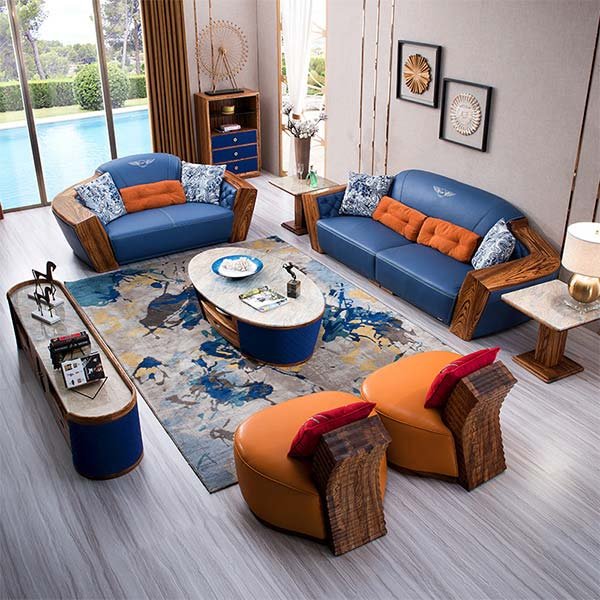
“Create a collaborative and comfortable workspace with the right living room furniture for your co-working space.”
Ergonomic Seating Options for Comfort and Productivity
When it comes to creating a productive and comfortable co-working space, one of the most important factors to consider is the furniture, particularly the seating options in the living room area. Ergonomic seating is essential for ensuring that individuals can work efficiently and comfortably for extended periods of time. In this article, we will explore some key considerations when selecting ergonomic seating options for co-working spaces.
First and foremost, it is crucial to choose seating that provides proper support for the back. Prolonged sitting can lead to back pain and discomfort, so selecting chairs with lumbar support is essential. Look for chairs that have adjustable lumbar support so that individuals can customize the level of support to their liking. Additionally, chairs with a high backrest can help promote good posture and reduce strain on the spine.
Another important factor to consider when selecting ergonomic seating is the adjustability of the chair. Chairs with adjustable height, armrests, and tilt mechanisms allow individuals to customize the chair to their specific needs and preferences. This can help prevent discomfort and fatigue during long periods of sitting. Additionally, chairs with swivel bases allow for easy movement and access to different areas of the co-working space.
In addition to back support and adjustability, it is also important to consider the material and cushioning of the seating. Chairs with cushioned seats and breathable fabric can help individuals stay comfortable and cool throughout the day. Look for chairs with high-quality padding that will provide support without feeling too firm or too soft. Additionally, consider the durability of the material, as chairs in a co-working space will likely see heavy use.
When selecting seating for a co-working space, it is also important to consider the overall design and aesthetic of the furniture. Choose chairs that complement the style of the space and create a cohesive look. Consider the color, shape, and material of the chairs to ensure they fit in with the overall design scheme. Additionally, consider the size and layout of the space when selecting seating options to ensure that they fit comfortably and allow for easy movement.
In conclusion, selecting ergonomic seating options for a co-working space is essential for promoting comfort and productivity. Consider factors such as back support, adjustability, material, and design when choosing chairs for the living room area. By selecting chairs that provide proper support and comfort, individuals can work efficiently and comfortably for extended periods of time. Remember to prioritize the well-being and comfort of individuals when selecting furniture for a co-working space.
Multi-Functional Furniture Pieces to Maximize Space
In today’s fast-paced world, the concept of co-working spaces has become increasingly popular. These shared workspaces offer individuals and businesses a flexible and collaborative environment to work in. One key aspect of creating a functional co-working space is choosing the right furniture. In particular, the living room area is often a central hub for collaboration and relaxation. When selecting furniture for a co-working living room, it is important to consider multi-functional pieces that can maximize space and enhance productivity.
One of the most important factors to consider when choosing furniture for a co-working living room is versatility. Multi-functional furniture pieces are ideal for co-working spaces as they can serve multiple purposes and adapt to different needs. For example, a sofa bed can provide seating during the day and transform into a bed for overnight guests. This type of furniture is perfect for co-working spaces that may also double as a guest room or lounge area.
Another key consideration when selecting living room furniture for a co-working space is comfort. Since individuals may spend long hours working in these spaces, it is essential to choose furniture that is ergonomic and supportive. Comfortable seating options such as armchairs and sofas with plush cushions can help create a welcoming and productive environment for co-workers.
In addition to versatility and comfort, it is also important to consider the size and layout of the living room when choosing furniture for a co-working space. Space-saving furniture such as nesting tables, ottomans with storage, and modular seating can help maximize the available space and create a more efficient layout. By carefully planning the placement of furniture, co-working spaces can be optimized for collaboration and productivity.
When selecting furniture for a co-working living room, it is also important to consider the overall design aesthetic of the space. Choosing furniture that complements the existing decor and reflects the brand identity of the co-working space can help create a cohesive and professional environment. Neutral colors and clean lines are often preferred in co-working spaces as they create a modern and minimalist look.
In conclusion, selecting the right living room furniture for a co-working space requires careful consideration of versatility, comfort, size, layout, and design. By choosing multi-functional pieces that can adapt to different needs, providing comfortable seating options, maximizing space with space-saving furniture, and maintaining a cohesive design aesthetic, co-working spaces can be transformed into productive and collaborative environments. With the right furniture, co-workers can work efficiently, collaborate effectively, and relax comfortably in a well-designed living room space.
Sustainable and Eco-Friendly Furniture Choices for a Greener Workspace
In recent years, the concept of co-working spaces has gained popularity as more and more people are opting for flexible work arrangements. These shared workspaces offer a collaborative environment where individuals from different backgrounds can come together to work, network, and share ideas. One key aspect of creating a conducive co-working space is choosing the right furniture for the common areas, such as the living room.
When selecting furniture for a co-working living room, it is important to consider sustainability and eco-friendliness. Sustainable furniture is made from materials that are renewable, recyclable, or biodegradable, and are produced using environmentally friendly practices. By choosing sustainable and eco-friendly furniture, you can reduce your carbon footprint and contribute to a greener workspace.
One important factor to consider when choosing sustainable living room furniture is the material used. Opt for furniture made from natural materials such as wood, bamboo, or cork, as these materials are renewable and biodegradable. Avoid furniture made from synthetic materials such as plastic or vinyl, as these materials are not environmentally friendly and can release harmful chemicals into the air.
Another consideration when choosing sustainable living room furniture is the manufacturing process. Look for furniture that is produced using environmentally friendly practices, such as using non-toxic adhesives and finishes, and minimizing waste during production. Choose furniture from companies that prioritize sustainability and have certifications such as Forest Stewardship Council (FSC) or Cradle to Cradle.
In addition to sustainability, it is also important to consider the design and functionality of the furniture. Co-working spaces are often bustling with activity, so choose furniture that is durable and easy to clean. Opt for furniture with simple and timeless designs that can easily adapt to changing trends and styles. Consider furniture that is modular and can be rearranged to accommodate different group sizes and activities.
When selecting furniture for a co-working living room, it is also important to consider the comfort of the users. Choose furniture that is ergonomic and supportive, such as chairs with adjustable height and lumbar support. Provide ample seating options to accommodate different preferences and work styles. Consider adding soft furnishings such as cushions and throws to create a cozy and inviting atmosphere.
In conclusion, when choosing furniture for a co-working living room, it is important to prioritize sustainability and eco-friendliness. Opt for furniture made from natural materials and produced using environmentally friendly practices. Consider the design, functionality, and comfort of the furniture to create a welcoming and productive workspace. By choosing sustainable living room furniture, you can create a greener workspace and contribute to a more sustainable future.
Conclusion
When selecting living room furniture for co-working spaces, it is important to consider the comfort, functionality, and aesthetic appeal of the pieces. Additionally, the furniture should be durable and easy to clean to withstand frequent use. It is also essential to choose pieces that promote collaboration and productivity among users. By carefully considering these factors, you can create a welcoming and functional space for co-workers to gather and work together effectively.