Japandi Style: Harmonizing Japanese Minimalism and Scandinavian Simplicity.
Exploring the Key Elements of Japandi Style: A Fusion of Japanese Minimalism and Scandinavian Simplicity
Japandi style is a design trend that has gained popularity in recent years. It is a fusion of Japanese minimalism and Scandinavian simplicity, resulting in a harmonious blend of clean lines, natural materials, and functional design. This article will explore the key elements of Japandi style and how they come together to create a unique and inviting aesthetic.
One of the main principles of Japandi style is minimalism. Both Japanese and Scandinavian design traditions emphasize the importance of simplicity and decluttering. In Japandi style, this is achieved through the use of clean lines, neutral colors, and a focus on functionality. Furniture and decor are chosen for their practicality and purpose, rather than for their ornate details or excessive embellishments.
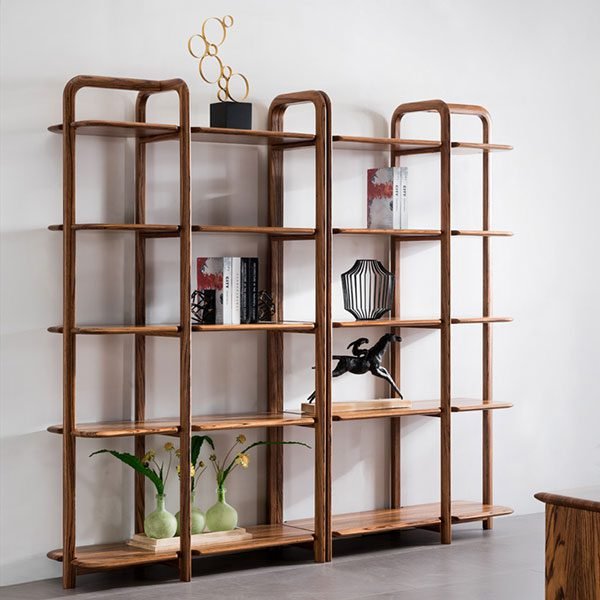
Another key element of Japandi style is the use of natural materials. Both Japanese and Scandinavian design traditions have a deep appreciation for the beauty of nature, and this is reflected in Japandi style. Wood, in particular, is a prominent material in Japandi interiors. It is often left in its natural state, with its grain and texture celebrated rather than hidden. Other natural materials such as stone, bamboo, and rattan are also commonly used in Japandi design.
In addition to minimalism and natural materials, Japandi style also incorporates elements of wabi-sabi. Wabi-sabi is a Japanese aesthetic philosophy that embraces imperfection and impermanence. In Japandi interiors, this is seen in the use of handmade or vintage items, as well as in the inclusion of elements that show signs of wear and age. This adds a sense of warmth and character to the space, making it feel lived-in and inviting.
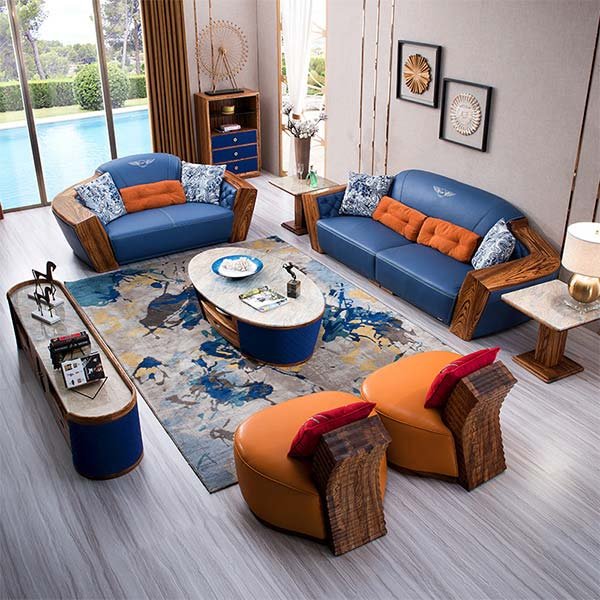
Color is another important aspect of Japandi style. While both Japanese and Scandinavian design traditions tend to favor neutral colors, Japandi style also incorporates subtle pops of color. These can be seen in the form of muted pastels or earthy tones, which add depth and interest to the space without overwhelming the overall aesthetic. The key is to keep the color palette cohesive and understated, allowing the focus to remain on the clean lines and natural materials.
Finally, Japandi style places a strong emphasis on creating a sense of balance and harmony in the space. This is achieved through careful consideration of the placement and arrangement of furniture and decor. In Japandi interiors, there is a sense of order and purpose to every element, creating a calm and serene atmosphere. This is further enhanced by the use of natural light, which is maximized through the use of large windows and minimal window treatments.
In conclusion, Japandi style is a beautiful fusion of Japanese minimalism and Scandinavian simplicity. It combines clean lines, natural materials, and functional design to create a harmonious and inviting aesthetic. By embracing minimalism, using natural materials, incorporating elements of wabi-sabi, carefully selecting a cohesive color palette, and creating a sense of balance and harmony, Japandi style offers a unique and timeless approach to interior design. Whether you are looking to create a serene retreat or a cozy and inviting space, Japandi style is sure to inspire.
How to Incorporate Japandi Style into Your Home: Tips and Inspiration
Japandi style is a design trend that has gained popularity in recent years. It is a fusion of Japanese minimalism and Scandinavian simplicity, resulting in a harmonious and balanced aesthetic. If you are looking to incorporate Japandi style into your home, here are some tips and inspiration to help you achieve this unique and serene look.
One of the key elements of Japandi style is minimalism. This means decluttering your space and keeping only the essentials. Start by getting rid of any unnecessary items and organizing your belongings in a neat and tidy manner. This will create a sense of calm and tranquility in your home.
When it comes to furniture, choose pieces that are simple and functional. Opt for clean lines and natural materials such as wood and bamboo. Avoid excessive ornamentation or intricate details. The focus should be on the beauty of the materials and the craftsmanship.
In terms of color palette, Japandi style embraces a neutral and earthy tones. Think shades of white, beige, gray, and brown. These colors create a serene and soothing atmosphere. You can add pops of color through accessories such as cushions or artwork, but keep it minimal to maintain the overall simplicity of the space.
Another important aspect of Japandi style is the use of natural light. Maximize the amount of natural light in your home by keeping windows unobstructed and using sheer curtains or blinds. This will create a bright and airy feel, enhancing the sense of openness and simplicity.
Incorporating natural elements is also key to achieving Japandi style. Bring in plants and greenery to add life and freshness to your space. Choose low-maintenance plants such as succulents or bamboo, which are in line with the minimalist philosophy. You can also incorporate natural materials such as stone or pebbles in your decor to create a sense of grounding and connection to nature.
When it comes to accessories, less is more in Japandi style. Choose a few carefully curated pieces that have meaning to you rather than filling your space with clutter. Opt for simple and functional items such as ceramic vases, wooden bowls, or woven baskets. These items should be both beautiful and practical, serving a purpose in your daily life.
In terms of artwork, Japandi style favors simplicity and minimalism. Choose pieces that have a calming and serene quality, such as abstract paintings or black and white photography. Avoid busy or overly decorative artwork that can disrupt the overall harmony of the space.
Lastly, pay attention to the overall layout and flow of your space. Japandi style emphasizes open and uncluttered spaces. Arrange your furniture in a way that allows for easy movement and creates a sense of balance. Avoid overcrowding your space with too many pieces or creating unnecessary barriers.
In conclusion, incorporating Japandi style into your home is all about embracing minimalism, simplicity, and natural elements. Declutter your space, choose simple and functional furniture, and stick to a neutral color palette. Let natural light in, bring in plants, and choose carefully curated accessories. By following these tips and drawing inspiration from Japandi style, you can create a serene and harmonious home that reflects the beauty of Japanese minimalism and Scandinavian simplicity.
The Philosophy Behind Japandi Style: Finding Harmony in Minimalism and Simplicity
Japandi style is a design trend that has gained popularity in recent years, combining the best of Japanese minimalism and Scandinavian simplicity. This unique fusion creates a harmonious and balanced aesthetic that is both calming and functional. At its core, Japandi style is rooted in the philosophy of finding harmony in minimalism and simplicity.
Japanese minimalism is known for its emphasis on clean lines, natural materials, and a sense of tranquility. It is influenced by the traditional Japanese concept of “ma,” which refers to the space between objects. This philosophy values simplicity and the idea that less is more. Scandinavian design, on the other hand, is characterized by its functional and practical approach, with an emphasis on light and airy spaces.
The marriage of these two design philosophies in Japandi style creates a space that is both visually appealing and highly functional. The focus is on creating a sense of balance and tranquility through the use of natural materials, neutral color palettes, and clean lines. The result is a space that feels calm and uncluttered, allowing for a greater sense of peace and relaxation.
One of the key elements of Japandi style is the use of natural materials. Both Japanese and Scandinavian design traditions place a strong emphasis on using materials that are derived from nature, such as wood, stone, and bamboo. These materials not only add warmth and texture to a space but also create a connection to the natural world. In Japandi style, these materials are often left in their natural state, with minimal treatment or embellishment, further emphasizing the beauty of their simplicity.
Another important aspect of Japandi style is the use of a neutral color palette. Both Japanese and Scandinavian design favor muted and earthy tones, such as whites, grays, and browns. These colors create a sense of calm and serenity, allowing the focus to be on the form and function of the space rather than on bold or vibrant colors. By keeping the color palette simple and understated, Japandi style creates a space that feels timeless and elegant.
Clean lines and minimalism are also key features of Japandi style. Furniture and decor in this style are often characterized by their simplicity and lack of ornamentation. The focus is on creating a sense of openness and spaciousness, with furniture that is functional and unobtrusive. This minimalist approach allows for a greater sense of flow and movement within a space, creating a more peaceful and harmonious environment.
In conclusion, Japandi style is a design trend that marries the best of Japanese minimalism and Scandinavian simplicity. It is rooted in the philosophy of finding harmony in minimalism and simplicity, creating a space that is both visually appealing and highly functional. By using natural materials, a neutral color palette, and clean lines, Japandi style creates a sense of balance and tranquility that allows for a greater sense of peace and relaxation. Whether you are looking to create a calm and serene bedroom or a functional and inviting living space, Japandi style offers a unique and timeless aesthetic that is sure to inspire.
Conclusion
Japandi Style is a design trend that combines the elegance of Japanese minimalism with the simplicity of Scandinavian design. It emphasizes clean lines, natural materials, and a neutral color palette. This fusion creates a harmonious and balanced aesthetic that promotes a sense of calm and tranquility in living spaces. Japandi Style is gaining popularity for its ability to create a serene and minimalist environment while incorporating warm and cozy elements. By marrying Japanese and Scandinavian design principles, Japandi Style offers a unique and timeless approach to interior design.