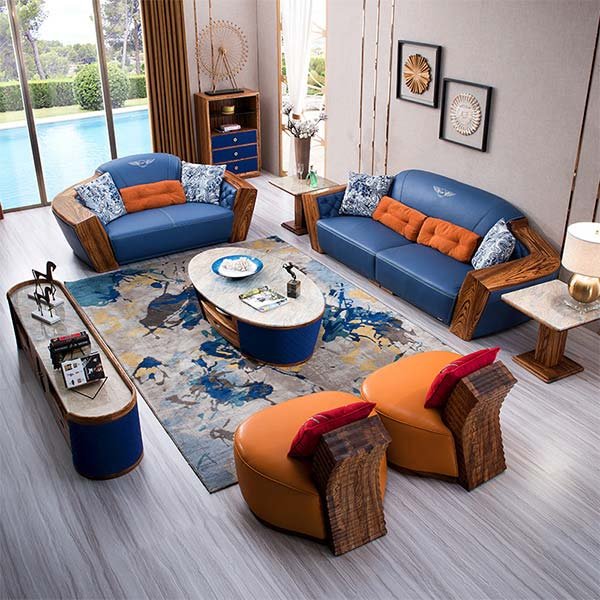
“Embrace the Comfort, Embrace the Relief: Wooden Furniture, Allergy Sufferers’ Best Choice!”
How Wooden Furniture Can Help Alleviate Allergy Symptoms
Insight into the Advantages of Wooden Furniture for Allergy Sufferers
Allergies can be a constant source of discomfort for many individuals. From sneezing and itching to congestion and watery eyes, allergy symptoms can significantly impact one’s quality of life. While there are various ways to alleviate these symptoms, one often overlooked solution is the use of wooden furniture. In this article, we will explore how wooden furniture can help alleviate allergy symptoms and provide a healthier living environment for allergy sufferers.
One of the primary advantages of wooden furniture for allergy sufferers is its hypoallergenic nature. Unlike upholstered furniture, which can harbor dust mites, pet dander, and other allergens, wooden furniture is less likely to accumulate these irritants. Dust mites, in particular, thrive in the fibers of upholstery and can trigger allergic reactions in sensitive individuals. By opting for wooden furniture, allergy sufferers can minimize their exposure to these allergens and experience relief from their symptoms.
In addition to being hypoallergenic, wooden furniture is also easier to clean and maintain. Unlike fabric upholstery, which requires regular vacuuming and deep cleaning to remove allergens, wooden furniture can be easily wiped down with a damp cloth. This simple cleaning routine helps to eliminate dust and other allergens that may have settled on the furniture’s surface. By keeping the living environment free from these irritants, allergy sufferers can reduce the frequency and severity of their symptoms.
Furthermore, wooden furniture is less likely to emit volatile organic compounds (VOCs) compared to furniture made from synthetic materials. VOCs are chemicals that can be released into the air from various household products, including furniture. These compounds can cause respiratory irritation and worsen allergy symptoms. By choosing wooden furniture, allergy sufferers can minimize their exposure to VOCs and create a healthier indoor environment.
Another advantage of wooden furniture is its durability. Unlike other materials that may wear out or become damaged over time, wooden furniture can withstand the test of time. This durability means that allergy sufferers do not have to worry about replacing their furniture frequently, which can be a costly and time-consuming process. By investing in high-quality wooden furniture, individuals can enjoy a long-lasting and allergy-friendly solution for their homes.
Additionally, wooden furniture can contribute to a more aesthetically pleasing living space. With its natural beauty and timeless appeal, wooden furniture can enhance the overall ambiance of a room. This can have a positive impact on one’s mental well-being and create a calming environment, which is especially beneficial for allergy sufferers who may already be dealing with the stress of their symptoms.
In conclusion, wooden furniture offers numerous advantages for allergy sufferers. Its hypoallergenic nature, ease of cleaning, low VOC emissions, durability, and aesthetic appeal make it an excellent choice for creating a healthier and more comfortable living environment. By opting for wooden furniture, allergy sufferers can minimize their exposure to allergens, reduce the frequency and severity of their symptoms, and enjoy a beautiful and allergy-friendly home. So, if you’re looking for a way to alleviate your allergy symptoms, consider incorporating wooden furniture into your living space.
The Benefits of Choosing Wooden Furniture for Allergy-Prone Individuals
Insight into the Advantages of Wooden Furniture for Allergy Sufferers
The Benefits of Choosing Wooden Furniture for Allergy-Prone Individuals
Allergies can be a real nuisance, causing discomfort and disrupting daily life. For those who suffer from allergies, finding ways to minimize exposure to allergens is crucial. One often overlooked solution is choosing wooden furniture. In this article, we will explore the advantages of wooden furniture for allergy sufferers.
First and foremost, wooden furniture is hypoallergenic. Unlike upholstered furniture, which can harbor dust mites, pet dander, and other allergens, wooden furniture is much easier to clean and maintain. Dust mites, in particular, are a common trigger for allergies, and their presence can be significantly reduced by opting for wooden furniture.
Additionally, wooden furniture does not emit harmful chemicals or volatile organic compounds (VOCs) that can aggravate allergies. Many modern furniture pieces are made with synthetic materials that release VOCs into the air, leading to respiratory problems and allergic reactions. By choosing wooden furniture, allergy-prone individuals can create a healthier indoor environment.
Wooden furniture also has the advantage of being durable and long-lasting. Unlike other materials that may deteriorate over time, wooden furniture can withstand wear and tear, making it a wise investment. This durability means that there will be fewer opportunities for allergens to accumulate in cracks and crevices, further reducing the risk of allergic reactions.
Furthermore, wooden furniture has a timeless and classic appeal. It can easily complement any interior design style, from traditional to modern. This versatility allows allergy sufferers to create a beautiful and comfortable living space without compromising their health.
Another advantage of wooden furniture is its natural resistance to mold and mildew. Mold spores are a common allergen that can thrive in damp environments. Unlike upholstered furniture, which can absorb moisture and provide a breeding ground for mold, wooden furniture is less susceptible to these issues. This resistance to mold and mildew ensures a healthier living environment for allergy sufferers.
In terms of maintenance, wooden furniture is relatively easy to care for. Regular dusting and occasional polishing are usually sufficient to keep it looking its best. This simplicity of maintenance is particularly beneficial for allergy sufferers, as it minimizes the need for extensive cleaning routines that can stir up allergens.
Lastly, wooden furniture is a sustainable choice. With growing concerns about the environment, opting for furniture made from renewable resources is a responsible decision. By choosing wooden furniture, allergy sufferers can contribute to a greener future while enjoying the benefits it offers.
In conclusion, wooden furniture provides numerous advantages for allergy sufferers. Its hypoallergenic properties, resistance to allergens, durability, and timeless appeal make it an excellent choice for those prone to allergies. Additionally, wooden furniture is easy to maintain and environmentally friendly. By opting for wooden furniture, allergy sufferers can create a healthier and more comfortable living space.
Creating an Allergy-Friendly Home with Wooden Furniture
Insight into the Advantages of Wooden Furniture for Allergy Sufferers
Creating an Allergy-Friendly Home with Wooden Furniture
Allergies can be a constant source of discomfort for many individuals. From sneezing and itching to congestion and watery eyes, allergies can significantly impact one’s quality of life. If you or someone in your household suffers from allergies, it’s essential to create an allergy-friendly home environment. One way to achieve this is by incorporating wooden furniture into your living space. In this article, we will explore the advantages of wooden furniture for allergy sufferers.
Wooden furniture is a popular choice for many homeowners due to its timeless beauty and durability. However, it also offers several benefits for individuals with allergies. One of the primary advantages is that wooden furniture does not harbor dust mites, a common allergen. Dust mites thrive in upholstery and fabric-covered furniture, making them a nightmare for allergy sufferers. By opting for wooden furniture, you can significantly reduce the presence of dust mites in your home.
Additionally, wooden furniture is easy to clean and maintain, making it an excellent choice for allergy sufferers. Unlike fabric furniture, which can trap allergens and require frequent vacuuming or professional cleaning, wooden furniture can be easily wiped down with a damp cloth. This simple cleaning routine helps to eliminate allergens such as dust, pet dander, and pollen, providing a healthier living environment for allergy sufferers.
Furthermore, wooden furniture is less likely to emit volatile organic compounds (VOCs) compared to furniture made from synthetic materials. VOCs are chemicals that can be released into the air from various household products, including furniture. These chemicals can trigger allergic reactions and respiratory issues in sensitive individuals. By choosing wooden furniture, you can minimize the exposure to VOCs and create a safer and healthier home environment.
Wooden furniture also has the advantage of being hypoallergenic. Unlike some materials that can cause skin irritation or allergic reactions, wood is generally well-tolerated by most individuals. This makes wooden furniture an excellent choice for those with sensitive skin or allergies to certain materials. Additionally, wood is a natural and sustainable resource, making it an environmentally friendly option for furnishing your home.
In terms of style and design, wooden furniture offers a wide range of options to suit any aesthetic preference. From rustic and traditional to modern and contemporary, there is a wooden furniture piece to complement every home decor style. This versatility allows allergy sufferers to create an allergy-friendly home without compromising on style or personal taste.
In conclusion, wooden furniture provides numerous advantages for allergy sufferers. Its ability to resist dust mites, ease of cleaning, low VOC emissions, hypoallergenic properties, and versatile design options make it an ideal choice for creating an allergy-friendly home. By incorporating wooden furniture into your living space, you can reduce allergens, improve indoor air quality, and enhance your overall well-being. So, if you or someone in your household suffers from allergies, consider investing in wooden furniture to create a comfortable and healthy living environment.
Заключение
Заключение: Деревянная мебель имеет ряд преимуществ для аллергиков. Во-первых, дерево является натуральным материалом, не содержащим химических веществ, которые могут вызывать аллергические реакции. Во-вторых, дерево обладает гладкой поверхностью, которая не задерживает пыль и другие аллергены. Кроме того, деревянная мебель легко чистится и не притягивает пыль, что делает ее более гигиеничной для аллергиков. В целом, использование деревянной мебели может помочь снизить риск аллергических реакций и улучшить качество жизни аллергиков.