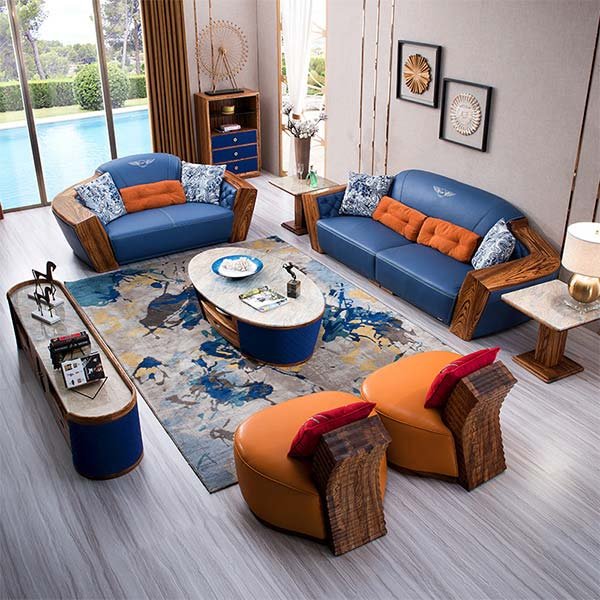
“Enhance your home’s sound with the natural beauty of wood furniture.”
Enhancing Sound Quality: How Wood Furniture Can Transform Your Home’s Acoustics
Insight into How Wood Furniture Can Improve Acoustics in Your Home
Enhancing Sound Quality: How Wood Furniture Can Transform Your Home’s Acoustics
When it comes to creating the perfect ambiance in your home, sound quality plays a crucial role. Whether you enjoy listening to music, watching movies, or simply having conversations with friends and family, the acoustics of your living space can greatly impact your overall experience. One often overlooked aspect of improving sound quality is the choice of furniture. In this article, we will explore how wood furniture can enhance the acoustics in your home and provide you with a more immersive audio experience.
Wood furniture has long been admired for its aesthetic appeal and durability. However, its acoustic properties are often underestimated. Unlike materials such as metal or glass, wood has the ability to absorb sound waves, reducing echoes and reverberations in a room. This can greatly improve the clarity of audio, making it easier to hear and understand speech, music, and other sounds.
One of the key reasons why wood furniture is effective in improving acoustics is its porous nature. The small air pockets within the wood act as natural sound absorbers, reducing the reflection of sound waves. This helps to minimize unwanted echoes and reverberations, creating a more balanced and pleasant listening environment.
In addition to its sound-absorbing properties, wood furniture can also help to diffuse sound. Diffusion refers to the scattering of sound waves in different directions, preventing them from bouncing off hard surfaces and creating unwanted reflections. The irregular surface of wood furniture, with its natural grains and textures, can effectively scatter sound waves, reducing the intensity of echoes and creating a more even distribution of sound throughout the room.
Furthermore, wood furniture can also act as a barrier to external noise. The density and thickness of wood make it an effective sound insulator, blocking out unwanted sounds from outside and creating a quieter and more peaceful environment inside your home. This is particularly beneficial if you live in a noisy neighborhood or near a busy street.
When choosing wood furniture to enhance the acoustics in your home, it is important to consider the type of wood and its finish. Hardwoods such as oak, mahogany, and walnut are known for their excellent acoustic properties. They are dense and heavy, making them effective at absorbing and diffusing sound. Additionally, a matte or satin finish is recommended, as it helps to minimize reflections and glare that can interfere with sound quality.
To maximize the acoustic benefits of wood furniture, it is also important to consider the placement and arrangement of your pieces. Placing furniture strategically around the room can help to create a more balanced sound environment. For example, placing a bookshelf or a wooden cabinet against a wall can help to absorb and diffuse sound waves, reducing echoes and improving sound quality.
In conclusion, wood furniture can significantly improve the acoustics in your home, enhancing sound quality and creating a more immersive audio experience. Its ability to absorb and diffuse sound waves, as well as act as a barrier to external noise, makes it an excellent choice for anyone looking to create a more enjoyable and peaceful living space. So, when it comes to furnishing your home, don’t overlook the acoustic benefits of wood furniture. Invest in quality pieces that not only look beautiful but also enhance your audio experience.
The Science Behind Wood Furniture and Acoustic Improvements in Your Living Space
Insight into How Wood Furniture Can Improve Acoustics in Your Home
Wood furniture is not only aesthetically pleasing but also has the potential to improve the acoustics in your home. The science behind this lies in the unique properties of wood and how it interacts with sound waves. In this article, we will explore the various ways in which wood furniture can enhance the acoustics in your living space.
One of the key factors that contribute to the acoustic properties of wood is its density. Wood is a dense material that can absorb and reflect sound waves. When sound waves hit a wooden surface, they are partially absorbed, reducing the amount of sound that is reflected back into the room. This absorption helps to minimize echoes and reverberations, creating a more balanced and pleasant sound environment.
Another important aspect of wood furniture is its ability to diffuse sound. Diffusion refers to the scattering of sound waves in different directions, which helps to break up direct reflections and create a more even distribution of sound throughout the room. Wood furniture, with its irregular surface and varying textures, can effectively scatter sound waves, reducing the intensity of direct reflections and improving the overall acoustic quality of the space.
Furthermore, wood furniture can act as a barrier to external noise. The density and thickness of wood make it an excellent material for blocking out unwanted sounds from outside. By placing wooden furniture near windows or doors, you can create a buffer zone that helps to reduce the transmission of noise into your living space. This can be particularly beneficial if you live in a noisy neighborhood or near a busy street.
In addition to its acoustic properties, wood furniture also adds warmth and character to any room. Its natural beauty and timeless appeal make it a popular choice for interior design. By incorporating wood furniture into your living space, you not only enhance the acoustics but also create a visually pleasing environment.
When selecting wood furniture for acoustic improvements, it is important to consider the type of wood and its finish. Different types of wood have varying densities and acoustic properties. Hardwoods, such as oak or mahogany, are generally denser and more effective at absorbing sound waves. Additionally, the finish of the wood can also impact its acoustic performance. A polished or glossy finish may reflect more sound, while a matte or textured finish can enhance absorption and diffusion.
To maximize the acoustic benefits of wood furniture, it is recommended to strategically place it in your living space. Consider placing wooden bookshelves or cabinets along the walls to help absorb and diffuse sound. You can also incorporate wooden panels or acoustic panels into your room design to further enhance the acoustics.
In conclusion, wood furniture can significantly improve the acoustics in your home due to its density, ability to diffuse sound, and capacity to act as a barrier to external noise. By selecting the right type of wood and strategically placing furniture in your living space, you can create a more balanced and pleasant sound environment. Additionally, wood furniture adds warmth and character to any room, making it a valuable addition to your interior design. So, consider incorporating wood furniture into your home to enjoy the benefits of improved acoustics and a visually appealing space.
Creating a Harmonious Environment: Exploring the Impact of Wood Furniture on Home Acoustics
Insight into How Wood Furniture Can Improve Acoustics in Your Home
Creating a Harmonious Environment: Exploring the Impact of Wood Furniture on Home Acoustics
When it comes to designing our homes, we often focus on aesthetics and functionality. However, one aspect that is often overlooked is the impact of furniture on the acoustics of our living spaces. Wood furniture, in particular, can play a significant role in improving the sound quality in our homes. In this article, we will delve into the reasons why wood furniture is beneficial for acoustics and how it can create a harmonious environment.
First and foremost, wood is known for its natural sound-absorbing properties. Unlike materials such as metal or glass, wood has the ability to absorb sound waves, reducing echoes and reverberations in a room. This is especially important in spaces with hard surfaces, such as tiled floors or bare walls, where sound tends to bounce around and create a harsh, unpleasant environment. By incorporating wood furniture into these spaces, you can effectively dampen the sound and create a more balanced and pleasant acoustic experience.
In addition to its sound-absorbing properties, wood furniture also has the ability to diffuse sound. Diffusion refers to the scattering of sound waves, which helps to create a more even distribution of sound throughout a room. This is particularly beneficial in larger spaces, such as living rooms or home theaters, where achieving optimal sound quality can be a challenge. By strategically placing wood furniture in these areas, you can help to break up sound waves and prevent them from bouncing off walls or other hard surfaces, resulting in a more immersive and enjoyable listening experience.
Furthermore, wood furniture can contribute to the overall warmth and richness of a room’s acoustics. The natural tones and textures of wood create a sense of depth and character, enhancing the overall sound quality. This is especially true for musical instruments, such as pianos or guitars, which are often made from wood. The resonance and tonal qualities of these instruments are greatly enhanced when placed on or near wooden surfaces, adding a unique and pleasing element to the room’s acoustics.
It is worth noting that not all types of wood are created equal when it comes to acoustics. Hardwoods, such as oak or mahogany, are generally more effective at absorbing and diffusing sound compared to softwoods like pine or cedar. Additionally, the thickness and density of the wood can also impact its acoustic properties. Thicker and denser woods tend to be more effective at absorbing sound, while thinner and lighter woods may have a lesser impact. Therefore, when selecting wood furniture for acoustic purposes, it is important to consider the type of wood and its characteristics.
In conclusion, wood furniture can greatly improve the acoustics of your home by absorbing, diffusing, and enhancing sound. Its natural properties make it an ideal material for creating a harmonious environment where sound is balanced and pleasant to the ear. Whether you are a music enthusiast, a movie lover, or simply someone who appreciates a peaceful and well-designed living space, incorporating wood furniture into your home can make a significant difference in the overall acoustic experience. So, the next time you are considering furniture options, remember to prioritize wood for its acoustic benefits and enjoy the transformative impact it can have on your home.
Заключение
Заключение: Изучение влияния деревянной мебели на акустику в доме показывает, что использование такой мебели может значительно улучшить звуковые характеристики помещения. Дерево является естественным абсорбентом звука, способным поглощать и разбивать звуковые волны, что помогает уменьшить эхо и реверберацию. Кроме того, деревянная мебель может служить как дополнительным звукопоглощающим материалом, если она имеет мягкие обивки или подушки. В целом, использование деревянной мебели в доме может создать более комфортную и приятную акустическую среду.