“Harmonize your space with the timeless beauty of wooden furniture.”
Choosing the right type of wooden furniture for your home decor
Choosing the right type of wooden furniture for your home decor is essential in creating a cohesive look. Wooden furniture adds warmth and elegance to any space, but it’s important to select pieces that complement your overall design aesthetic. In this article, we will provide insight into how to create a cohesive look with wooden furniture in your home.
When selecting wooden furniture, it’s crucial to consider the style and theme of your home decor. If you have a modern or contemporary design, opt for sleek and minimalist wooden furniture with clean lines. On the other hand, if your home has a more traditional or rustic feel, choose furniture with intricate details and a distressed finish.
Another factor to consider is the type of wood used in the furniture. Different types of wood have distinct characteristics and colors. For example, oak is known for its durability and light color, while mahogany has a rich, dark tone. Consider the existing color palette in your home and choose wooden furniture that complements or contrasts with it. This will help create a harmonious and visually appealing look.
In addition to the style and type of wood, it’s important to consider the size and scale of the furniture. A large, bulky wooden dining table may overpower a small dining area, while a small coffee table may get lost in a spacious living room. Measure your space carefully and choose furniture that fits proportionally. This will ensure that your furniture not only looks good but also functions well within the room.
To create a cohesive look, it’s also important to consider the finishes and materials of other elements in the room. For example, if you have wooden flooring, consider matching the finish of your furniture to the flooring. This will create a seamless transition between the different elements in the space. Additionally, consider the finishes of other materials such as metal or glass. Mixing different materials can add visual interest and depth to your overall design.
When arranging your wooden furniture, think about the flow and functionality of the space. Place larger pieces against walls to create a focal point and anchor the room. Arrange smaller pieces in a way that promotes conversation and easy movement. Don’t be afraid to experiment with different layouts until you find the one that works best for your space.
Lastly, don’t forget about the importance of accessories and accents. Adding cushions, throws, and rugs can soften the look of wooden furniture and make it more inviting. Choose accessories that complement the style and color of your furniture, and don’t be afraid to mix and match patterns and textures for added visual interest.
In conclusion, choosing the right type of wooden furniture for your home decor is crucial in creating a cohesive look. Consider the style, type of wood, size, and scale of the furniture to ensure it complements your overall design aesthetic. Pay attention to the finishes and materials of other elements in the room, and arrange your furniture in a way that promotes flow and functionality. Don’t forget to add accessories and accents to soften the look of the wooden furniture. By following these tips, you can create a cohesive and visually appealing look with wooden furniture in your home.
Tips for coordinating different wooden furniture pieces in a room
Wooden furniture can add warmth and character to any home. However, coordinating different wooden furniture pieces in a room can be a challenge. To create a cohesive look, it’s important to consider the style, color, and finish of the furniture. Here are some tips to help you achieve a harmonious and stylish look with wooden furniture in your home.
Firstly, consider the style of the furniture. Whether you prefer traditional, modern, or rustic, it’s important to choose wooden furniture pieces that complement each other. For example, if you have a traditional wooden dining table, consider pairing it with chairs that have similar design elements, such as carved details or a matching wood finish. This will create a cohesive and unified look in your dining area.
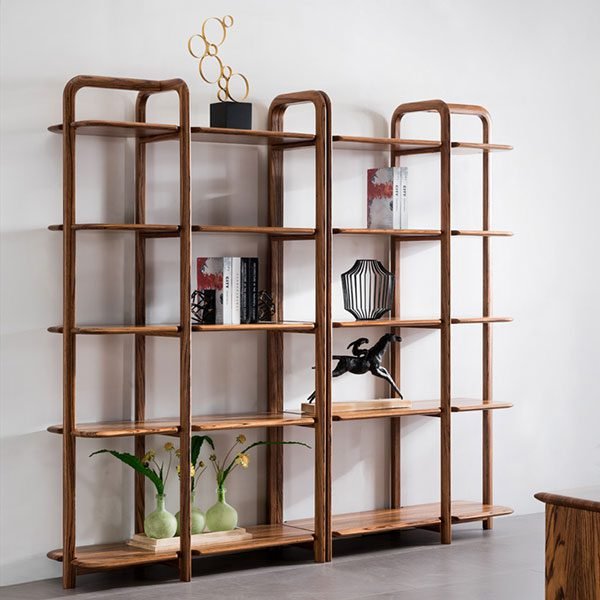
Next, pay attention to the color of the wooden furniture. While it’s not necessary for all the pieces to be the exact same shade, it’s important to choose colors that harmonize well together. If you have a dark wooden coffee table, for instance, consider pairing it with lighter wooden side tables or bookshelves. This contrast will create visual interest and prevent the room from feeling too monotonous.
In addition to style and color, the finish of the wooden furniture is also crucial in creating a cohesive look. If you have a glossy finish on your dining table, for example, it’s best to choose chairs with a similar sheen. This will create a sense of unity and sophistication in your dining area. On the other hand, if you prefer a more rustic look, opt for furniture pieces with a distressed or weathered finish. This will add charm and character to your space.
Another tip for coordinating different wooden furniture pieces is to consider the scale and proportion of the pieces. It’s important to choose furniture that is proportionate to the size of the room. For instance, if you have a small living room, avoid oversized wooden furniture that will overwhelm the space. Instead, opt for smaller pieces that will fit comfortably and allow for easy movement.
Furthermore, don’t be afraid to mix and match different types of wood. Contrary to popular belief, you don’t have to stick to one type of wood throughout your home. In fact, mixing different wood tones can create a more interesting and eclectic look. Just make sure to choose woods that complement each other and create a balanced and cohesive overall aesthetic.
Lastly, don’t forget to consider the other elements in the room when coordinating wooden furniture. Take into account the color of the walls, the flooring, and the accessories. These elements should complement and enhance the wooden furniture, rather than compete with it. For example, if you have dark wooden furniture, consider painting the walls a lighter color to create contrast and make the furniture stand out.
In conclusion, creating a cohesive look with wooden furniture in your home requires careful consideration of style, color, finish, scale, and proportion. By following these tips, you can achieve a harmonious and stylish look that will make your home feel warm and inviting. So go ahead, embrace the beauty of wooden furniture and create a space that reflects your personal style and taste.
Incorporating other materials and colors to complement wooden furniture in your home
Incorporating other materials and colors to complement wooden furniture in your home can be a challenging task. However, with the right approach, you can create a cohesive look that enhances the beauty of your wooden furniture. This article will provide you with some valuable insights on how to achieve this.
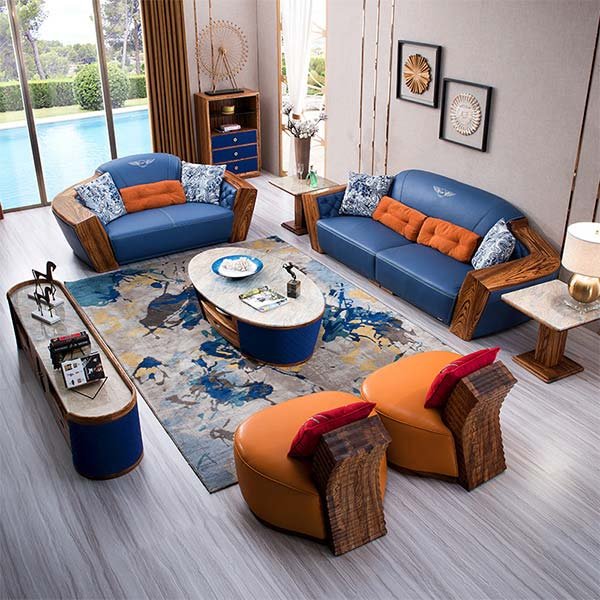
One way to complement wooden furniture is by incorporating other materials such as metal or glass. These materials can add a touch of modernity and sophistication to your space. For example, you can pair a wooden dining table with metal chairs or a glass coffee table with a wooden frame. This combination creates an interesting contrast that adds visual interest to your home.
Another way to create a cohesive look is by using colors that complement the natural tones of wood. Earthy tones such as beige, brown, and green work well with wooden furniture. These colors create a warm and inviting atmosphere in your home. You can incorporate these colors through your choice of upholstery, curtains, or decorative accessories. For instance, you can choose a beige sofa with wooden legs or green curtains with wooden blinds.
When selecting colors, it is important to consider the overall color scheme of your home. If you have a neutral color palette, you can add pops of color through accent pieces such as cushions or artwork. On the other hand, if you have a bold color scheme, you can opt for more subdued colors that complement the wooden furniture without overpowering the space.
Texture is another important element to consider when creating a cohesive look with wooden furniture. Mixing different textures can add depth and visual interest to your home. For example, you can pair a smooth wooden coffee table with a textured rug or a leather sofa with a wooden side table. This combination creates a harmonious balance between different materials and textures.
In addition to materials and colors, lighting plays a crucial role in creating a cohesive look. Proper lighting can highlight the beauty of your wooden furniture and create a warm and inviting ambiance. You can use a combination of natural and artificial lighting to achieve the desired effect. For instance, you can place a floor lamp next to a wooden bookshelf or install pendant lights above a wooden dining table.
Lastly, it is important to consider the overall style of your home when incorporating other materials and colors. If you have a modern or minimalist style, you can opt for sleek and simple designs that complement the clean lines of wooden furniture. On the other hand, if you have a traditional or rustic style, you can choose materials and colors that evoke a sense of warmth and coziness.
In conclusion, creating a cohesive look with wooden furniture in your home requires careful consideration of materials, colors, textures, lighting, and overall style. By incorporating other materials such as metal or glass, using colors that complement wood, mixing different textures, and paying attention to lighting, you can achieve a harmonious and inviting space. Remember to choose materials and colors that enhance the beauty of your wooden furniture without overpowering the overall aesthetic of your home.
Заключение
Заключение: Создание согласованного образа с деревянной мебелью в вашем доме требует внимания к деталям и гармоничного сочетания различных элементов. Важно выбирать деревянную мебель, которая соответствует общему стилю вашего интерьера и подчеркивает его основные черты. Также рекомендуется использовать дополнительные элементы, такие как текстильные аксессуары и декоративные предметы, чтобы создать единый образ. Правильное использование цветовой гаммы и текстур поможет достичь гармонии и создать уютную атмосферу в вашем доме.