“Unlocking the Essence of Timeless Craftsmanship in Wooden Furniture”
The Rise of Sustainable Materials in Wooden Furniture
The Rise of Sustainable Materials in Wooden Furniture
In recent years, there has been a growing trend towards sustainability in various industries, and the world of wooden furniture is no exception. As consumers become more conscious of the environmental impact of their purchases, furniture manufacturers are increasingly turning to sustainable materials to meet the demand for eco-friendly products.
One of the key sustainable materials that has gained popularity in the wooden furniture industry is reclaimed wood. Reclaimed wood refers to wood that has been salvaged from old buildings, barns, or other structures that are no longer in use. This not only gives the wood a unique character and history but also reduces the need for cutting down new trees.
Another sustainable material that is making waves in the industry is bamboo. Bamboo is a fast-growing grass that can be harvested in just a few years, making it an incredibly renewable resource. It is also known for its strength and durability, making it an excellent choice for furniture production. Additionally, bamboo has a natural resistance to pests and does not require the use of harmful chemicals for treatment.
In addition to using sustainable materials, furniture manufacturers are also adopting eco-friendly production practices. This includes using water-based finishes and adhesives instead of traditional solvent-based ones, which can release harmful volatile organic compounds (VOCs) into the air. By making this switch, manufacturers are not only reducing their environmental impact but also creating a healthier indoor environment for consumers.
Furthermore, the rise of sustainable materials in wooden furniture has also led to the development of innovative manufacturing techniques. One such technique is the use of 3D printing technology. This allows manufacturers to create intricate designs and shapes using less material, resulting in less waste. Additionally, 3D printing can also utilize recycled materials, further reducing the environmental footprint of the furniture production process.
The demand for sustainable wooden furniture is not limited to residential consumers. The commercial sector, including hotels, restaurants, and offices, is also recognizing the importance of eco-friendly furniture. Many businesses are now seeking out furniture that is not only aesthetically pleasing but also aligns with their sustainability goals. This has created a new market for manufacturers specializing in sustainable wooden furniture.
As the trend towards sustainability continues to grow, it is expected that more innovative materials and production techniques will emerge in the wooden furniture industry. Consumers can look forward to a wider range of eco-friendly options that not only enhance their living spaces but also contribute to a greener planet.
In conclusion, the rise of sustainable materials in wooden furniture is a positive development for both consumers and the environment. Reclaimed wood and bamboo are just two examples of materials that are being used to create beautiful and durable furniture while minimizing the impact on natural resources. Additionally, eco-friendly production practices and innovative manufacturing techniques are further reducing the environmental footprint of the industry. As the demand for sustainable furniture continues to increase, it is likely that we will see even more exciting developments in the future.
Exploring Minimalist Designs in Wooden Furniture
Exploring Minimalist Designs in Wooden Furniture
Minimalism has become a popular trend in interior design, and wooden furniture is no exception. With its timeless appeal and natural beauty, wooden furniture can effortlessly embody the principles of minimalism. In this article, we will delve into the world of minimalist designs in wooden furniture, providing you with insider insights into the latest trends.
One of the key characteristics of minimalist designs in wooden furniture is simplicity. Clean lines, sleek surfaces, and a lack of ornate details are all hallmarks of this style. Minimalist wooden furniture often features smooth, unadorned surfaces that highlight the natural grain and texture of the wood. This simplicity creates a sense of calm and tranquility in any space.
Another important aspect of minimalist designs in wooden furniture is functionality. In a minimalist interior, every piece of furniture serves a purpose and has a specific function. This means that storage solutions are often integrated into the design, allowing for a clutter-free and organized space. Minimalist wooden furniture may feature hidden compartments, built-in shelves, or innovative storage solutions that maximize space efficiency.
When it comes to color, minimalist designs in wooden furniture tend to favor neutral tones. Light-colored woods, such as oak or birch, are commonly used to create a sense of openness and airiness. These light woods can be paired with white or cream upholstery to further enhance the minimalist aesthetic. However, darker woods, such as walnut or mahogany, can also be used to add warmth and depth to a minimalist space.
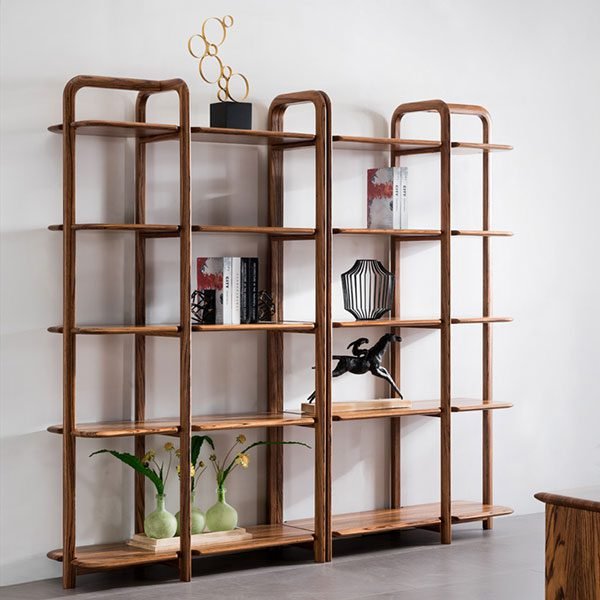
In terms of shapes and forms, minimalist designs in wooden furniture often embrace geometric simplicity. Straight lines, sharp angles, and geometric shapes are prevalent in this style. Rectangular or square dining tables, streamlined chairs, and minimalist bookshelves are just a few examples of how geometric forms are incorporated into minimalist wooden furniture. These clean and precise shapes contribute to the overall sense of order and harmony in a minimalist interior.
One of the advantages of minimalist designs in wooden furniture is their versatility. They can seamlessly blend into various interior styles, from modern and contemporary to Scandinavian and industrial. The simplicity of minimalist wooden furniture allows it to complement other design elements without overpowering them. Whether you prefer a monochromatic color scheme or a bold accent color, minimalist wooden furniture can adapt to your personal style.
In conclusion, minimalist designs in wooden furniture offer a perfect combination of simplicity, functionality, and versatility. With their clean lines, neutral colors, and geometric forms, they create a sense of calm and order in any space. Whether you are furnishing a small apartment or a spacious house, minimalist wooden furniture can be the perfect choice. So, if you are looking to embrace the latest trends in wooden furniture, consider exploring the world of minimalist designs.
Incorporating Technology into Modern Wooden Furniture
Incorporating Technology into Modern Wooden Furniture
Wooden furniture has always been a staple in interior design, adding warmth and elegance to any space. However, with the advancement of technology, the world of wooden furniture has undergone a significant transformation. Today, designers are finding innovative ways to incorporate technology into modern wooden furniture, creating pieces that are not only aesthetically pleasing but also functional and practical.
One of the most notable trends in incorporating technology into wooden furniture is the integration of wireless charging capabilities. With the increasing reliance on smartphones and other electronic devices, having a convenient and accessible charging solution has become a necessity. Designers have ingeniously incorporated wireless charging pads into wooden tables, desks, and even bedside tables, eliminating the need for messy cables and adapters.
Another exciting development in the world of wooden furniture is the integration of smart home technology. Imagine controlling the lighting, temperature, and even music in your home with a simple touch on your wooden coffee table. This is now possible with the incorporation of smart home devices into wooden furniture. These devices can be seamlessly integrated into the design, allowing for a sleek and minimalist look while providing the convenience of a connected home.
In addition to wireless charging and smart home technology, designers are also exploring the use of embedded sensors in wooden furniture. These sensors can detect motion, temperature, and even humidity, allowing for a more personalized and comfortable experience. For example, a wooden chair with embedded sensors can adjust its position and temperature based on the user’s preferences, providing optimal comfort at all times.
Furthermore, technology has also revolutionized the way wooden furniture is manufactured. Traditional woodworking techniques have been combined with computer-aided design (CAD) and computer numerical control (CNC) machines to create intricate and precise designs. This marriage of craftsmanship and technology has resulted in furniture pieces that are not only visually stunning but also structurally sound and durable.
The incorporation of technology into modern wooden furniture has also opened up new possibilities in terms of design and aesthetics. With the use of 3D printing technology, designers can create intricate and unique patterns on wooden surfaces, adding a touch of modernity and sophistication. This technology allows for endless customization options, ensuring that each piece of furniture is truly one-of-a-kind.
In conclusion, the incorporation of technology into modern wooden furniture has revolutionized the industry. From wireless charging capabilities to smart home integration, embedded sensors, and advanced manufacturing techniques, designers are pushing the boundaries of what is possible with wooden furniture. These innovations not only enhance the functionality and practicality of wooden furniture but also elevate its aesthetic appeal. As technology continues to advance, we can expect even more exciting developments in the world of wooden furniture, making it an essential element in any modern home.
Заключение
Заключение: Внутренние знания о последних тенденциях в деревянной мебели позволяют получить ценную информацию о текущих направлениях развития этой отрасли. Это может включать в себя новые материалы и технологии, инновационные дизайнерские решения, а также изменения в предпочтениях потребителей. Имея доступ к таким сведениям, производители и дизайнеры могут адаптировать свои продукты и услуги, чтобы соответствовать современным требованиям рынка и удовлетворить потребности своих клиентов.