Industrial Edge: Transforming Raw Materials into Modern Design.
The Importance of Industrial Edge in Modern Design
The Importance of Industrial Edge in Modern Design
In the world of design, there is a constant search for new and innovative ideas. One such idea that has gained popularity in recent years is the incorporation of raw materials into modern design. This trend, known as industrial edge, brings a unique and rugged aesthetic to any space.
Industrial edge design draws inspiration from the raw and unfinished elements found in industrial settings. It embraces materials such as concrete, metal, and reclaimed wood, which are often left in their natural state or minimally processed. This design style is characterized by its simplicity, functionality, and focus on the beauty of imperfections.
One of the reasons why industrial edge has become so important in modern design is its ability to create a sense of authenticity and connection to the past. In a world that is increasingly dominated by mass-produced and disposable products, industrial edge design offers a refreshing alternative. By incorporating raw materials into their designs, designers are able to create spaces that feel genuine and timeless.
Another reason why industrial edge is important in modern design is its versatility. This design style can be applied to a wide range of spaces, from residential homes to commercial offices. It can be used to create a rustic and cozy atmosphere in a living room or a sleek and modern look in a kitchen. The use of raw materials also allows for a high level of customization, as each piece will have its own unique characteristics.
In addition to its aesthetic appeal, industrial edge design also offers practical benefits. Raw materials such as concrete and metal are known for their durability and longevity. By incorporating these materials into their designs, designers are able to create spaces that are not only beautiful but also built to last. This is particularly important in commercial settings, where durability is often a top priority.
Furthermore, industrial edge design promotes sustainability and environmental consciousness. By using reclaimed wood and other recycled materials, designers are able to reduce waste and minimize their impact on the environment. This is an important consideration in a world that is increasingly concerned with climate change and resource depletion.
In conclusion, industrial edge design is an important trend in modern design. It brings a unique and rugged aesthetic to any space, while also creating a sense of authenticity and connection to the past. This design style is versatile, allowing for customization and application in a wide range of spaces. It also offers practical benefits, such as durability and sustainability. As the world continues to evolve, industrial edge design will likely continue to play a significant role in shaping the spaces we inhabit.
Exploring the Role of Raw Materials in Industrial Edge Design
Industrial Edge: Incorporating Raw Materials into Modern Design
In the world of interior design, there is a growing trend towards incorporating raw materials into modern design. This trend, known as Industrial Edge, embraces the use of materials such as concrete, metal, and wood to create a unique and contemporary aesthetic. In this article, we will explore the role of raw materials in Industrial Edge design and how they can be incorporated into your own home.
One of the key features of Industrial Edge design is the use of raw, unfinished materials. Concrete, for example, is often used to create a sleek and minimalist look. Its smooth, cool surface adds a touch of modernity to any space. Metal, on the other hand, brings an element of industrial chic to a room. Whether it’s in the form of exposed pipes or metal furniture, this material adds a sense of ruggedness and durability.
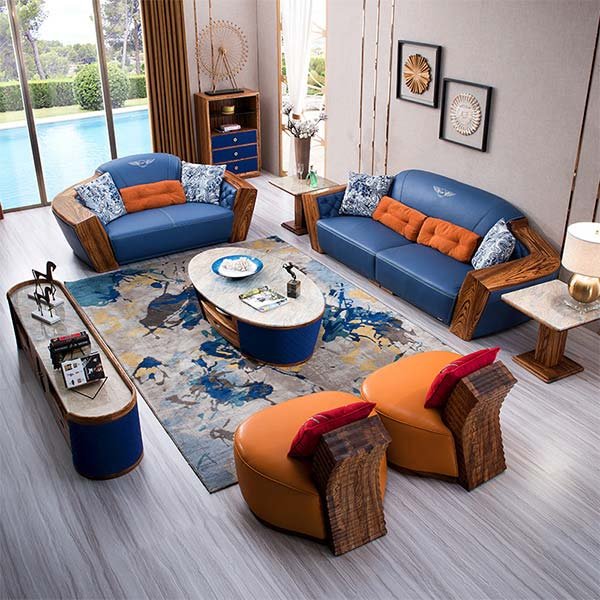
Wood is another material commonly used in Industrial Edge design. Its natural warmth and texture provide a contrast to the coldness of concrete and metal. Reclaimed wood, in particular, is a popular choice as it adds a sense of history and character to a space. Whether it’s in the form of a reclaimed wood dining table or a wooden accent wall, incorporating wood into your design can create a warm and inviting atmosphere.
When incorporating raw materials into your design, it’s important to consider the overall aesthetic you want to achieve. Industrial Edge design is often characterized by its simplicity and minimalism. By using raw materials, you can create a space that feels clean and uncluttered. However, it’s also important to balance this simplicity with elements of comfort and coziness. Adding soft furnishings, such as cushions or rugs, can help to soften the harshness of the raw materials and create a more inviting space.
In addition to the aesthetic benefits, incorporating raw materials into your design can also have practical advantages. Concrete, for example, is a durable and low-maintenance material. It’s resistant to stains and scratches, making it ideal for high-traffic areas such as kitchens and bathrooms. Metal, too, is a durable material that can withstand the test of time. By choosing raw materials, you can create a space that not only looks great but also stands up to everyday wear and tear.
When it comes to incorporating raw materials into your design, there are endless possibilities. From concrete countertops to metal light fixtures, the options are only limited by your imagination. However, it’s important to remember that less is often more. Instead of overwhelming a space with too many raw materials, choose a few key pieces that will make a statement. This will help to create a cohesive and balanced design.
In conclusion, incorporating raw materials into modern design is a growing trend that can add a unique and contemporary aesthetic to any space. Whether it’s the sleekness of concrete, the ruggedness of metal, or the warmth of wood, these materials can create a sense of industrial chic that is both stylish and practical. By carefully considering the overall aesthetic and balancing simplicity with comfort, you can create a space that is not only visually appealing but also functional and durable. So why not embrace the Industrial Edge trend and bring a touch of raw beauty into your own home?
How to Incorporate Raw Materials into Modern Industrial Edge Design
Incorporating raw materials into modern industrial edge design can add a unique and authentic touch to any space. This design style embraces the use of materials such as concrete, metal, wood, and exposed brick to create a raw and unfinished look. By incorporating these materials, you can create a space that is both functional and visually appealing.
One way to incorporate raw materials into modern industrial edge design is by using concrete. Concrete is a versatile material that can be used in various ways to create a modern and industrial look. One option is to use concrete flooring, which can be polished to create a sleek and smooth surface. Another option is to use concrete countertops or furniture, which can add a touch of industrial charm to any space.
Metal is another key element in industrial edge design. Incorporating metal into your space can be done in a variety of ways. One option is to use metal accents, such as light fixtures or hardware, to add a touch of industrial flair. Another option is to use metal furniture, such as chairs or tables, to create a bold and modern statement. Additionally, using metal shelving or storage units can add both functionality and style to your space.
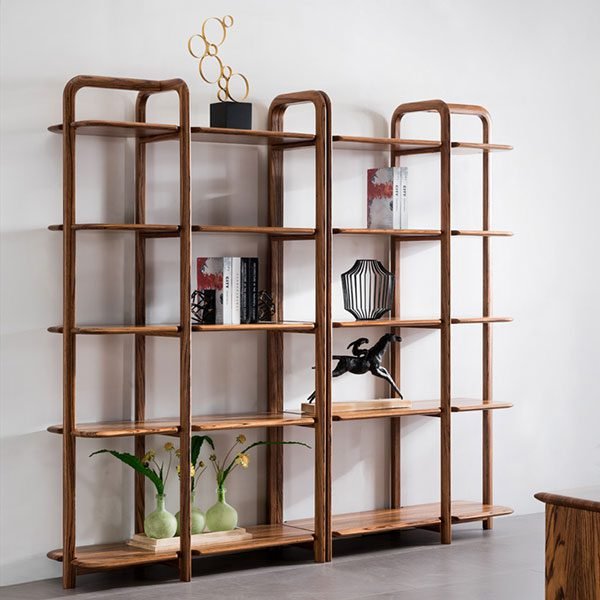
Wood is another material that can be incorporated into modern industrial edge design. Using reclaimed or distressed wood can add a rustic and authentic touch to any space. One option is to use wood flooring or wall paneling to create a warm and inviting atmosphere. Another option is to use wood furniture or accents to add a natural element to your space. Additionally, using wood shelving or storage units can add both functionality and style to your design.
Exposed brick is another key element in industrial edge design. Exposing brick walls can add a raw and unfinished look to any space. This can be done by removing plaster or drywall to reveal the brick underneath. Exposed brick can be used as a focal point in a room or as a backdrop for other design elements. Additionally, using brick accents, such as brick veneer or brick tiles, can add a touch of industrial charm to any space.
When incorporating raw materials into modern industrial edge design, it is important to consider the overall aesthetic of your space. The key is to create a balance between the raw and unfinished elements and the modern and polished elements. This can be done by using a neutral color palette, such as shades of gray or earth tones, to create a cohesive and harmonious look. Additionally, incorporating clean lines and minimalistic furniture can help to create a modern and polished feel.
In conclusion, incorporating raw materials into modern industrial edge design can add a unique and authentic touch to any space. By using materials such as concrete, metal, wood, and exposed brick, you can create a space that is both functional and visually appealing. Whether you choose to use these materials as flooring, furniture, or accents, incorporating raw materials into your design can help to create a modern and industrial look that is both stylish and timeless.
Conclusion
In conclusion, the concept of Industrial Edge involves incorporating raw materials into modern design. This approach embraces the use of materials such as concrete, metal, and wood in their natural form, highlighting their inherent beauty and texture. By blending these raw elements with contemporary design principles, Industrial Edge creates a unique aesthetic that combines the ruggedness of industrial settings with the sleekness of modern design. This style has gained popularity in various industries, including interior design, architecture, and fashion, as it offers a distinct and visually appealing look. Overall, Industrial Edge provides a fresh perspective on incorporating raw materials into modern design, resulting in visually striking and innovative creations.