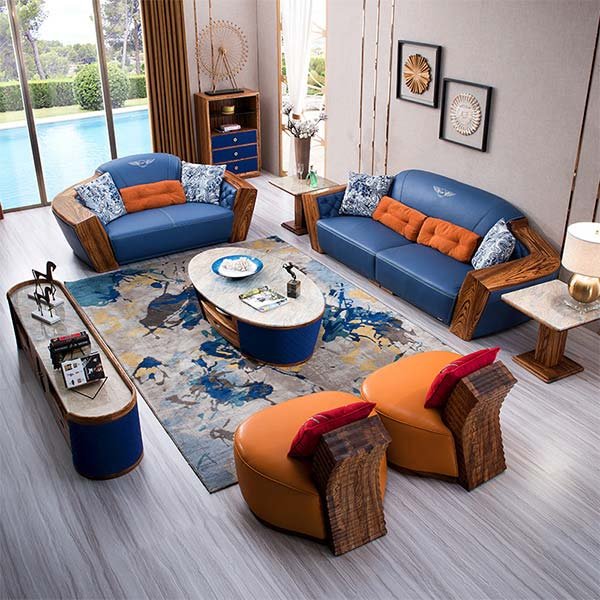
“Affordable Elegance: Wooden Sofas that Fit Your Budget!”
Benefits of wooden sofas over other types of sofas
Benefits of wooden sofas over other types of sofas
Wooden sofas have been a popular choice for many homeowners due to their timeless appeal and durability. While there are various types of sofas available in the market, wooden sofas offer several benefits that set them apart from other options. In this article, we will explore the advantages of wooden sofas over other types of sofas.
Firstly, wooden sofas are known for their durability. Unlike sofas made from materials like fabric or leather, wooden sofas are less prone to wear and tear. They can withstand heavy usage and are less likely to develop sagging or lose their shape over time. This makes wooden sofas a great investment as they can last for many years without losing their appeal.
In addition to their durability, wooden sofas also offer a unique aesthetic appeal. The natural beauty of wood adds warmth and elegance to any living space. Whether you prefer a traditional or modern interior design, wooden sofas can effortlessly blend in and enhance the overall look of your home. The versatility of wooden sofas allows them to complement various styles and color schemes, making them a versatile choice for any homeowner.
Furthermore, wooden sofas are relatively low maintenance compared to other types of sofas. Unlike fabric sofas that require regular cleaning and maintenance to keep them looking fresh, wooden sofas only require occasional dusting and polishing to maintain their shine. This makes them a practical choice for busy individuals or families who do not have the time or energy to constantly clean their furniture.
Another advantage of wooden sofas is their eco-friendliness. Wood is a renewable resource, and when sourced responsibly, it can be a sustainable choice for furniture. By choosing a wooden sofa, you are contributing to the preservation of forests and reducing your carbon footprint. Additionally, wooden sofas can be easily recycled or repurposed, further reducing their impact on the environment.
In terms of comfort, wooden sofas offer excellent support and stability. The solid construction of wooden frames ensures that the sofa remains sturdy and provides adequate support for the body. Unlike sofas with soft cushions that tend to sink over time, wooden sofas maintain their shape and provide a comfortable seating experience for extended periods.
Lastly, wooden sofas are often more affordable compared to other types of sofas. While there are high-end wooden sofas available, there are also budget-friendly options that offer great value for money. This makes wooden sofas accessible to a wide range of consumers, regardless of their budget.
In conclusion, wooden sofas offer numerous benefits over other types of sofas. Their durability, aesthetic appeal, low maintenance, eco-friendliness, comfort, and affordability make them a popular choice among homeowners. Whether you are looking for a timeless piece of furniture or a practical and stylish seating option, a wooden sofa is definitely worth considering. So, next time you are in the market for a new sofa, be sure to explore the wide range of wooden sofas available and experience the many advantages they have to offer.
Factors that affect the price of wooden sofas compared to other types
Factors that affect the price of wooden sofas compared to other types
When it comes to buying a sofa, there are many factors to consider. One of the most important factors is the price. Wooden sofas are a popular choice for many people, but how do their prices compare to other types of sofas? In this article, we will explore the factors that affect the price of wooden sofas compared to other types.
One factor that affects the price of wooden sofas is the type of wood used. Different types of wood have different prices, with some being more expensive than others. For example, sofas made from solid oak or mahogany tend to be more expensive than those made from pine or plywood. The type of wood used can also affect the durability and quality of the sofa, which can further impact the price.
Another factor that affects the price of wooden sofas is the design and craftsmanship. Sofas that are intricately designed or handcrafted by skilled artisans tend to be more expensive than those with simpler designs or mass-produced. The level of detail and craftsmanship can greatly influence the overall aesthetic appeal and perceived value of the sofa, thus affecting its price.
The size of the sofa is also a factor that affects its price. Larger sofas require more materials and labor to manufacture, which can drive up the cost. Additionally, larger sofas may also require more space for shipping and storage, which can add to the overall expenses. On the other hand, smaller sofas may be more affordable due to their reduced material and labor requirements.
The upholstery material used on the sofa is another factor that affects its price. Wooden sofas can be upholstered with various materials such as leather, fabric, or synthetic materials. The type and quality of the upholstery material can greatly impact the price. For example, genuine leather upholstery tends to be more expensive than fabric or synthetic materials. Additionally, the brand or designer of the upholstery material can also influence the price.
The overall brand reputation and market demand for wooden sofas can also affect their prices. Well-known brands or designers often command higher prices due to their reputation for quality and craftsmanship. Similarly, if there is a high demand for wooden sofas in the market, the prices may be higher due to the principle of supply and demand.
In conclusion, there are several factors that affect the price of wooden sofas compared to other types. These factors include the type of wood used, the design and craftsmanship, the size of the sofa, the upholstery material, and the brand reputation and market demand. By considering these factors, buyers can make informed decisions when comparing the prices of wooden sofas to other types of sofas. Whether one chooses a wooden sofa or another type, it is important to find a balance between price and quality to ensure a satisfactory purchase.
Comparison of wooden sofa prices with other popular sofa materials
Wooden sofas have long been a popular choice for homeowners due to their timeless appeal and durability. However, when it comes to purchasing a new sofa, it’s important to consider the price and how it compares to other types of sofas on the market. In this article, we will compare wooden sofa prices with other popular sofa materials, providing you with valuable insights to make an informed decision.
When comparing wooden sofa prices with other materials such as leather or fabric, it’s essential to consider the quality and craftsmanship. Wooden sofas are often handcrafted, using high-quality wood that adds to their overall cost. The intricate detailing and skilled workmanship involved in creating a wooden sofa contribute to its higher price point compared to other materials.
On the other hand, leather sofas are known for their luxurious look and feel. They exude elegance and sophistication, making them a popular choice for those seeking a statement piece in their living room. However, leather sofas can be quite expensive, especially if they are made from genuine leather. The cost of sourcing and processing genuine leather adds to the overall price, making it a pricier option compared to wooden sofas.
Fabric sofas, on the other hand, offer a wide range of options in terms of colors, patterns, and textures. They are often more affordable compared to wooden or leather sofas. The price of fabric sofas can vary depending on the type of fabric used, with higher-quality fabrics commanding a higher price. However, even with premium fabrics, fabric sofas tend to be more budget-friendly compared to wooden or leather options.
Another factor to consider when comparing wooden sofa prices with other materials is the maintenance and longevity. Wooden sofas are known for their durability and can withstand the test of time with proper care. They require minimal maintenance and can be easily cleaned with a damp cloth. This longevity and low maintenance contribute to their overall value, making them a worthwhile investment.
Leather sofas, on the other hand, require regular maintenance to keep them looking their best. They need to be conditioned and cleaned with specialized products to prevent cracking and fading. This additional maintenance can add to the overall cost of owning a leather sofa.
Fabric sofas, while more affordable, may require more frequent cleaning and maintenance. They are prone to stains and spills, and some fabrics may require professional cleaning. This ongoing maintenance should be factored into the overall cost of owning a fabric sofa.
In conclusion, when comparing wooden sofa prices with other popular sofa materials, it’s important to consider the quality, craftsmanship, maintenance, and longevity. While wooden sofas may have a higher price point compared to leather or fabric options, their durability and timeless appeal make them a worthwhile investment. Leather sofas offer a luxurious look but come with higher maintenance requirements. Fabric sofas, on the other hand, provide a wide range of options at a more affordable price point but may require more frequent cleaning and maintenance. Ultimately, the choice between these materials will depend on your personal preferences, budget, and lifestyle.
Заключение
Заключение: Цены на деревянные диваны обычно выше, чем на диваны из других материалов, таких как ткань или искусственная кожа. Это связано с более высокой стоимостью сырья и сложностью процесса изготовления деревянной мебели. Однако, деревянные диваны обычно считаются более прочными и долговечными, что может оправдывать их более высокую цену в долгосрочной перспективе.