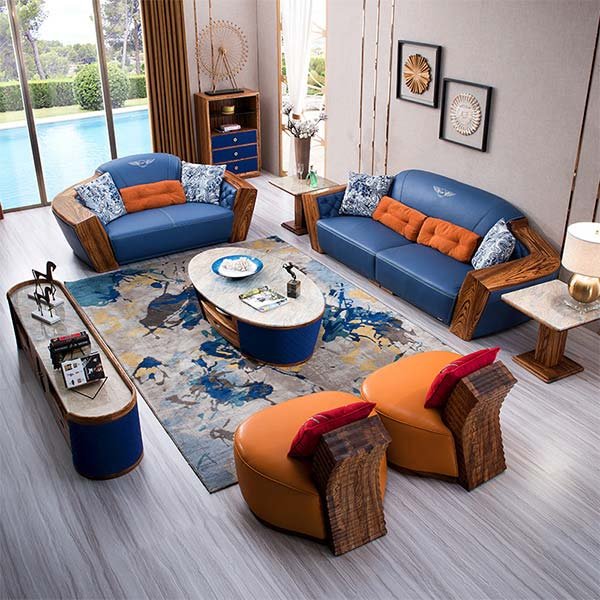
“Preserving the artistry and legacy through timeless wooden furniture.”
The Art of Woodworking: Exploring the Craftsmanship Behind Wooden Furniture
The Art of Woodworking: Exploring the Craftsmanship Behind Wooden Furniture
Wooden furniture has long been admired for its timeless beauty and durability. From intricately carved chairs to elegantly designed tables, wooden furniture reflects the craftsmanship and heritage of its makers. In this article, we will delve into the art of woodworking and explore the intricate details that make wooden furniture a true work of art.
Woodworking is a centuries-old craft that involves shaping and joining pieces of wood to create functional and aesthetically pleasing furniture. It requires a deep understanding of different wood types, their properties, and how they can be manipulated to bring out their best qualities. Skilled woodworkers possess a keen eye for detail and a passion for creating pieces that will stand the test of time.
One of the key aspects of woodworking is the selection of wood. Different types of wood have distinct characteristics that can greatly influence the final product. Hardwoods such as oak, mahogany, and walnut are known for their strength and durability, making them ideal for furniture that needs to withstand daily use. Softwoods like pine and cedar, on the other hand, are more lightweight and easier to work with, making them suitable for intricate carvings and delicate designs.
Once the wood is chosen, the woodworking process begins. It starts with carefully measuring and cutting the wood into the desired shape and size. This requires precision and attention to detail to ensure that each piece fits together seamlessly. Woodworkers use a variety of tools, such as saws, chisels, and planes, to shape the wood and create intricate designs.
Joinery is another crucial aspect of woodworking. It involves joining different pieces of wood together using various techniques, such as dovetail joints, mortise and tenon joints, and tongue and groove joints. These joints not only provide structural integrity but also add to the overall aesthetic appeal of the furniture. Skilled woodworkers take great pride in their joinery skills, as it is a testament to their craftsmanship and attention to detail.
Finishing is the final step in the woodworking process. It involves sanding the wood to create a smooth surface and applying a finish to protect the wood and enhance its natural beauty. Finishes can range from clear varnishes that highlight the wood’s grain to painted or stained finishes that add color and character to the furniture. The choice of finish depends on the desired look and feel of the piece.
Wooden furniture not only reflects the craftsmanship of its makers but also carries a sense of heritage. Many woodworking techniques have been passed down through generations, preserving traditional methods and styles. Each piece of wooden furniture tells a story, connecting the present to the past and honoring the legacy of the craft.
In conclusion, the art of woodworking is a testament to the skill and dedication of its practitioners. Wooden furniture reflects the craftsmanship and heritage of its makers, showcasing their attention to detail, precision, and passion for the craft. From the selection of wood to the intricate joinery and finishing touches, every step in the woodworking process contributes to the creation of a truly remarkable piece of furniture. So, the next time you admire a beautifully crafted wooden chair or table, take a moment to appreciate the artistry and skill that went into its creation.
Preserving Tradition: How Wooden Furniture Keeps Heritage Alive
Wooden furniture has long been a symbol of craftsmanship and heritage. It reflects the skill and dedication of artisans who have honed their craft over generations. In this article, we will explore how wooden furniture preserves tradition and keeps heritage alive.
One of the key aspects of wooden furniture is its ability to withstand the test of time. Unlike other materials, such as plastic or metal, wood has a natural durability that allows it to last for decades, if not centuries. This longevity is a testament to the craftsmanship that goes into creating wooden furniture.
Wooden furniture also carries a sense of history and tradition. Many pieces are made using traditional techniques that have been passed down through generations. These techniques often involve intricate joinery and hand-carving, which require a high level of skill and precision. By using these traditional methods, artisans are able to create furniture that not only looks beautiful but also tells a story.
In addition to its craftsmanship, wooden furniture also reflects the heritage of the region where it is made. Different types of wood are native to different parts of the world, and each type has its own unique characteristics. For example, oak is known for its strength and durability, while mahogany is prized for its rich, dark color. By using locally sourced wood, artisans are able to create furniture that is not only beautiful but also deeply connected to the land and culture.
Furthermore, wooden furniture can be a sustainable choice. Unlike materials like plastic or metal, wood is a renewable resource. When harvested responsibly, trees can be replanted, ensuring a continuous supply of wood for future generations. Additionally, wooden furniture can be repaired and refinished, extending its lifespan even further. This commitment to sustainability is another way in which wooden furniture preserves tradition and keeps heritage alive.
In recent years, there has been a resurgence of interest in wooden furniture. Many people are drawn to its timeless beauty and the sense of history it brings to a space. This renewed appreciation for wooden furniture has led to a revival of traditional woodworking techniques and a renewed focus on craftsmanship.
In conclusion, wooden furniture is more than just a functional piece of decor. It is a reflection of craftsmanship and heritage. Through its durability, traditional techniques, and connection to the land, wooden furniture preserves tradition and keeps heritage alive. As we continue to appreciate the beauty and value of wooden furniture, we ensure that these traditions will be passed down to future generations.
Unveiling the Beauty: Understanding the Aesthetics of Wooden Furniture
Wooden furniture has long been admired for its timeless beauty and durability. It is a true reflection of craftsmanship and heritage, showcasing the skill and artistry of the makers. In this article, we will delve into the aesthetics of wooden furniture, exploring the various elements that contribute to its beauty.
One of the key aspects of wooden furniture is its natural appeal. Wood, with its unique grain patterns and textures, adds warmth and character to any space. Whether it is a rustic oak table or a sleek walnut cabinet, the natural variations in the wood create a sense of authenticity and charm.
The choice of wood also plays a significant role in the aesthetics of wooden furniture. Different types of wood have distinct characteristics that can greatly impact the overall look and feel of a piece. For example, mahogany is known for its rich, reddish-brown color and fine grain, while maple offers a lighter, more contemporary appearance. The selection of wood depends on the desired style and ambiance of the furniture.
In addition to the type of wood, the finish applied to the furniture further enhances its aesthetics. A well-executed finish not only protects the wood but also brings out its natural beauty. From a glossy varnish to a matte oil finish, each option adds a different dimension to the furniture. The finish can highlight the grain patterns, deepen the color, or create a smooth, lustrous surface.
The design of wooden furniture is another crucial aspect that contributes to its aesthetics. Whether it is a traditional, ornate piece or a minimalist, modern design, the craftsmanship and attention to detail are evident. Intricate carvings, graceful curves, and precise joinery showcase the skill and expertise of the makers. The design of wooden furniture is often a blend of functionality and artistry, creating pieces that are not only visually appealing but also practical.
Furthermore, the age and history of wooden furniture add to its allure. Antique wooden furniture carries with it a sense of nostalgia and a connection to the past. Each scratch, dent, and patina tells a story, making the piece even more captivating. The craftsmanship of bygone eras is often revered, and owning a piece of antique wooden furniture is like owning a piece of history.
In conclusion, wooden furniture is a testament to craftsmanship and heritage. Its natural appeal, choice of wood, finish, design, and history all contribute to its aesthetics. Whether it is a traditional piece passed down through generations or a contemporary design crafted by a skilled artisan, wooden furniture reflects the artistry and skill of its makers. Its timeless beauty and durability make it a cherished addition to any space. So, next time you admire a wooden piece of furniture, take a moment to appreciate the craftsmanship and heritage it represents.
Заключение
Заключение: Деревянная мебель отражает мастерство и наследие. Она является результатом тщательной работы и опыта мастеров, которые используют традиционные методы и техники для создания уникальных и прочных изделий. Деревянная мебель также сохраняет и передает историю и культуру, так как ее дизайн и стиль могут быть вдохновлены традициями и наследием определенной страны или региона. Она является символом качества и прочности, а также придает теплоту и уютность любому интерьеру.