“Seamlessly blend comfort and style in your open-plan living area with our expert tips on sofa styling.”
Color coordination with the surrounding decor
Color coordination with the surrounding decor is an essential aspect of styling a sofa in an open-plan living area. When it comes to creating a cohesive and visually appealing space, the colors you choose for your sofa should complement the overall color scheme of the room. In this article, we will explore some tips and ideas on how to style a sofa in an open-plan living area, focusing specifically on color coordination.
One of the first things to consider when choosing the color of your sofa is the existing color palette in the room. Take a look at the walls, flooring, and other furniture pieces to determine the dominant colors. If the room has a neutral color scheme, such as whites, grays, or beiges, you have the freedom to choose a sofa in any color you like. However, if the room already has bold or vibrant colors, it is best to opt for a sofa in a more neutral shade to avoid overwhelming the space.
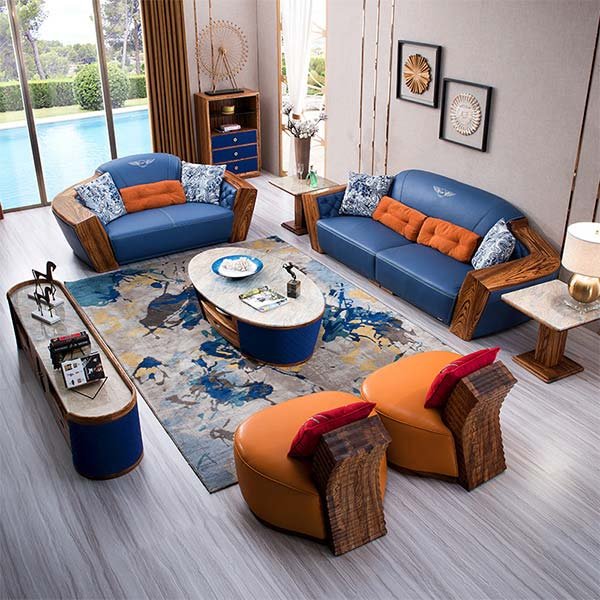
Once you have identified the dominant colors in the room, you can start thinking about how to coordinate the color of your sofa with the surrounding decor. One popular approach is to choose a sofa color that matches or complements the accent colors in the room. For example, if you have blue accent pillows or artwork, consider selecting a sofa in a similar shade of blue to create a harmonious look. This technique helps tie the different elements of the room together and creates a cohesive design.
Another option is to create contrast by choosing a sofa color that stands out against the surrounding decor. For instance, if the room has mostly light-colored furniture and walls, a dark-colored sofa can add depth and visual interest to the space. On the other hand, if the room has dark-colored walls or furniture, a light-colored sofa can create a striking focal point.
In addition to considering the color of the sofa itself, it is also important to think about the color of the sofa’s upholstery. Fabric plays a significant role in the overall look and feel of the sofa. If you want to create a cozy and inviting atmosphere, consider choosing a sofa with warm-toned upholstery, such as earthy browns or rich reds. On the other hand, if you prefer a more modern and sleek look, opt for a sofa with cool-toned upholstery, such as grays or blues.
When styling a sofa in an open-plan living area, it is crucial to ensure that the color coordination extends beyond just the sofa itself. The surrounding decor, including curtains, rugs, and throw pillows, should also complement the sofa color. By using coordinating colors in these accessories, you can create a cohesive and visually pleasing space.
In conclusion, color coordination with the surrounding decor is an important aspect of styling a sofa in an open-plan living area. By considering the existing color palette in the room and choosing a sofa color that complements or contrasts with it, you can create a cohesive and visually appealing space. Additionally, paying attention to the color of the sofa’s upholstery and coordinating it with other accessories in the room will help tie the design together. So, whether you prefer a bold and vibrant look or a more subtle and neutral aesthetic, remember to consider color coordination when styling your sofa in an open-plan living area.
Utilizing throw pillows and blankets for added comfort and style
Throw pillows and blankets are not only functional items for added comfort, but they can also be used to enhance the style of your sofa in an open-plan living area. By carefully selecting the right pillows and blankets, you can create a cohesive and inviting look that complements the overall design of your space.
When choosing throw pillows, consider the color scheme and style of your living area. If you have a neutral color palette, you can add pops of color with vibrant pillows. On the other hand, if your space already has bold colors, opt for pillows in complementary shades or patterns to create a balanced look.
In terms of size, it’s important to choose pillows that are proportionate to the size of your sofa. Oversized pillows can overwhelm a small sofa, while small pillows can get lost on a large one. Aim for a mix of sizes to create visual interest and depth.
Texture is another important factor to consider when selecting throw pillows. Mixing different textures can add dimension and visual appeal to your sofa. Consider incorporating pillows with velvet, faux fur, or woven fabrics to create a cozy and inviting atmosphere.
Blankets are another great way to add both comfort and style to your sofa. Opt for blankets that complement the color scheme and style of your living area. Chunky knit blankets can add a cozy and rustic touch, while lightweight throws in silk or linen can create a more elegant and sophisticated look.
When styling your sofa with throw pillows and blankets, it’s important to consider the overall aesthetic of your open-plan living area. If you have a modern and minimalist space, opt for pillows and blankets with clean lines and simple patterns. On the other hand, if your living area has a more eclectic or bohemian vibe, feel free to mix and match different patterns and textures for a more eclectic look.
To create a cohesive look, consider using a color scheme or theme when selecting your throw pillows and blankets. For example, if your living area has a coastal theme, you can choose pillows and blankets in shades of blue and white, with nautical patterns or motifs. This will tie the look of your sofa into the overall design of your space.
In addition to selecting the right pillows and blankets, it’s also important to arrange them in a visually pleasing way. Start by placing larger pillows at the back of the sofa, and layer smaller pillows in front. This will create depth and dimension. You can also experiment with different arrangements, such as placing pillows diagonally or in a zigzag pattern, to add visual interest.
Finally, don’t be afraid to mix and match different patterns and textures. Combining pillows and blankets with different patterns, such as stripes, florals, or geometric prints, can create a dynamic and visually appealing look. Just make sure to keep the color scheme cohesive to avoid a cluttered or chaotic appearance.
In conclusion, throw pillows and blankets are not only functional items for added comfort, but they can also be used to enhance the style of your sofa in an open-plan living area. By carefully selecting the right pillows and blankets, considering the overall aesthetic of your space, and arranging them in a visually pleasing way, you can create a cohesive and inviting look that complements the design of your living area. So go ahead, get creative, and style your sofa with throw pillows and blankets for added comfort and style.
Incorporating a coffee table or side tables for practicality and visual appeal
Incorporating a coffee table or side tables for practicality and visual appeal is an essential aspect of styling a sofa in an open-plan living area. These furniture pieces not only provide a functional surface for placing drinks, books, and other items, but they also add visual interest and balance to the overall design of the space.
When choosing a coffee table or side tables, it is important to consider the size and scale of the sofa and the surrounding furniture. A coffee table that is too small or too large can throw off the balance of the room, while side tables that are too tall or too short can make the sofa appear disproportionate. It is best to choose tables that are similar in height to the sofa or slightly lower for a cohesive look.
In terms of style, the coffee table or side tables should complement the overall aesthetic of the living area. For a modern and minimalist space, sleek and simple designs with clean lines would be ideal. On the other hand, for a more traditional or eclectic style, tables with ornate details or unique shapes can add character and charm.
In addition to style, the material of the coffee table or side tables can also make a significant impact on the overall look and feel of the space. Wood tables can add warmth and a natural element, while glass or metal tables can create a more contemporary and sleek atmosphere. It is important to choose materials that not only match the style of the room but also fit with the overall color scheme and other furniture pieces.
When styling the coffee table or side tables, it is important to strike a balance between functionality and aesthetics. A cluttered table can make the space feel messy and disorganized, while an empty table can appear bare and uninviting. It is best to choose a few carefully curated items to display on the table, such as a stack of books, a decorative tray, or a vase of flowers. These items should be arranged in a way that is visually pleasing and allows for easy access to the surface.
In terms of placement, the coffee table should be positioned within easy reach of the sofa, allowing for comfortable use. Side tables can be placed on either side of the sofa, providing a convenient spot for placing drinks or other items. It is important to ensure that there is enough space between the tables and the sofa for easy movement and to avoid a cramped feel.
In conclusion, incorporating a coffee table or side tables in an open-plan living area is essential for both practicality and visual appeal. When choosing these furniture pieces, it is important to consider the size, scale, style, and material that best complements the overall design of the space. Additionally, styling the tables with a few carefully curated items can add a personal touch and enhance the overall aesthetic. By following these tips, you can create a stylish and functional seating area in your open-plan living area.
Заключение
Заключение: Чтобы стильно оформить диван в открытой планировке гостиной, рекомендуется учитывать следующие аспекты:
1. Размещение: Разместите диван таким образом, чтобы он был центральным элементом комнаты и создавал уютную зону для отдыха.
2. Размер: Учитывайте размеры дивана и пространства вокруг него. Выберите диван, который соответствует масштабу комнаты и не перегружает ее.
3. Цвет и материал: Выберите цвет и материал дивана, которые гармонируют с остальным интерьером. Рассмотрите возможность использования подушек и покрывал, чтобы добавить текстуру и цветовые акценты.
4. Размещение столов: Разместите кофейный столик или боковые столики рядом с диваном для удобства использования и создания функциональной зоны.
5. Декоративные элементы: Добавьте декоративные элементы, такие как картины, зеркала или настольные лампы, чтобы придать комнате стиль и индивидуальность.
6. Разделение пространства: Если открытая планировка включает несколько функциональных зон, используйте диван как границу между ними, чтобы создать четкое разделение пространства.
В целом, стильное оформление дивана в открытой планировке гостиной требует учета масштаба, цветовой гаммы и функциональности комнаты, а также добавления декоративных элементов для создания уютной и гармоничной обстановки.