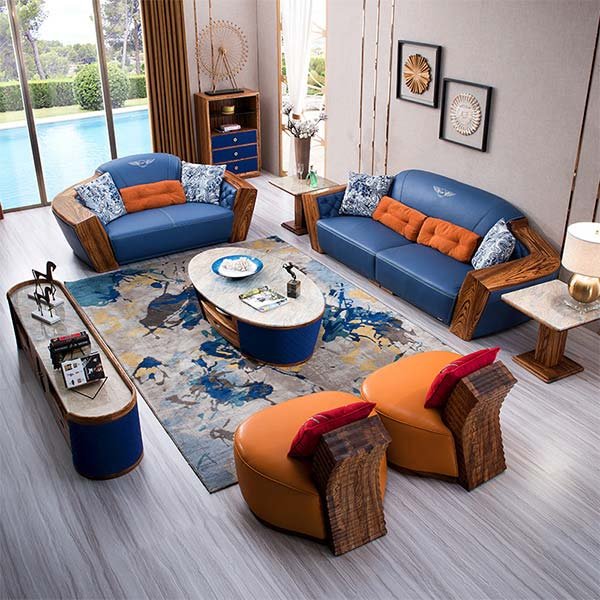
“Create your perfect living space with our stylish furniture arrangements.”
Arranging Furniture for Optimal Flow and Functionality
Setting up a living room with furniture can be a daunting task, but with the right approach, it can be a rewarding experience that transforms your space into a functional and inviting area. When arranging furniture in your living room, it is important to consider both flow and functionality to create a space that is both aesthetically pleasing and practical.
One of the first things to consider when setting up your living room is the layout of the room itself. Take note of any architectural features, such as windows, doors, and built-in shelving, as these will impact how you arrange your furniture. It is also important to consider the size and shape of the room, as well as the location of electrical outlets and light switches.
Once you have a good understanding of the layout of your living room, it is time to start arranging your furniture. Start by placing the largest piece of furniture, such as a sofa or sectional, in a central location in the room. This will serve as the focal point of the space and anchor the rest of the furniture arrangement.
Next, consider the flow of the room. Make sure there is enough space between furniture pieces to allow for easy movement throughout the room. Avoid placing furniture too close together, as this can make the room feel cramped and cluttered. Instead, aim for a balance of open space and furniture to create a comfortable and inviting atmosphere.
When arranging furniture, it is also important to consider the function of each piece. For example, if you plan to use your living room for entertaining, make sure there is plenty of seating available for guests. Consider adding additional seating options, such as accent chairs or ottomans, to accommodate larger gatherings.
In addition to seating, consider the placement of other key pieces of furniture, such as coffee tables, end tables, and entertainment centers. These pieces should be placed strategically to create a cohesive and functional layout. For example, place a coffee table within easy reach of the sofa to provide a convenient surface for drinks and snacks.
When arranging furniture, it is also important to consider the scale and proportion of each piece. Make sure that furniture pieces are appropriately sized for the room and do not overwhelm the space. Avoid placing oversized furniture in small rooms, as this can make the room feel cramped and unbalanced.
To create a cohesive look in your living room, consider coordinating the style and color of your furniture pieces. Choose pieces that complement each other in terms of design and color to create a harmonious and visually appealing space. Consider incorporating a mix of textures and materials to add depth and interest to the room.
In conclusion, setting up a living room with furniture requires careful planning and consideration of both flow and functionality. By taking the time to assess the layout of your room, arrange furniture strategically, and coordinate the style and color of your pieces, you can create a space that is both beautiful and practical. With these tips in mind, you can transform your living room into a welcoming and functional space that you will enjoy spending time in.
Choosing the Right Size and Style of Furniture for Your Space
Setting up a living room with furniture can be a daunting task, especially if you’re unsure of where to start. One of the first things to consider when setting up your living room is choosing the right size and style of furniture for your space. This is crucial in creating a cohesive and functional living area that suits your needs and aesthetic preferences.
When it comes to choosing the right size of furniture for your living room, it’s important to take into account the dimensions of the space. Measure the length and width of the room, as well as the height of the ceilings, to ensure that the furniture you choose will fit comfortably without overwhelming the space. It’s also important to consider the layout of the room and how you plan to use it. For example, if you entertain frequently, you may want to opt for a larger sofa and additional seating options. On the other hand, if you prefer a more intimate setting, a smaller sofa and a couple of armchairs may be more suitable.
In addition to size, the style of furniture you choose can have a significant impact on the overall look and feel of your living room. When selecting furniture, consider the existing decor and architectural features of the room. If you have a modern, minimalist aesthetic, you may want to opt for sleek, streamlined furniture with clean lines. On the other hand, if you prefer a more traditional look, consider furniture with ornate details and rich, warm finishes.
Another important factor to consider when choosing furniture for your living room is comfort. After all, your living room is a space where you and your guests will spend a significant amount of time, so it’s important to choose furniture that is not only stylish but also comfortable. When selecting a sofa, for example, consider the depth of the seat, the firmness of the cushions, and the overall support it provides. Similarly, when choosing armchairs and other seating options, make sure they are comfortable and inviting.
Once you have chosen the right size and style of furniture for your living room, it’s time to arrange it in a way that maximizes the space and creates a cohesive look. Start by placing the largest piece of furniture, such as a sofa or sectional, in a central location to serve as the focal point of the room. From there, arrange additional seating options, such as armchairs and ottomans, around the focal point to create a comfortable and inviting seating area.
When arranging furniture, be mindful of traffic flow and ensure that there is enough space for people to move around the room comfortably. Avoid placing furniture too close together or blocking pathways, as this can make the room feel cramped and cluttered. Instead, aim to create a balanced layout that allows for easy movement and conversation.
In conclusion, choosing the right size and style of furniture for your living room is essential in creating a functional and aesthetically pleasing space. Consider the dimensions of the room, the layout, and how you plan to use the space when selecting furniture. Pay attention to comfort and choose pieces that are both stylish and inviting. Finally, arrange the furniture in a way that maximizes the space and creates a cohesive look. By following these tips, you can set up a living room that is both beautiful and practical.
Incorporating Decorative Accents and Accessories to Enhance the Room’s Aesthetic
When setting up a living room with furniture, it is important to not only focus on the placement of the main pieces but also on incorporating decorative accents and accessories to enhance the room’s aesthetic. These finishing touches can truly elevate the overall look and feel of the space, making it more inviting and visually appealing.
One key aspect to consider when adding decorative accents is to ensure that they complement the style and color scheme of the room. For example, if you have a modern living room with sleek furniture and clean lines, you may want to opt for minimalist decor such as abstract art or geometric sculptures. On the other hand, if your living room has a more traditional or eclectic style, you can experiment with a mix of textures, patterns, and colors to create a more layered and dynamic look.
Another important consideration is the scale and proportion of the decorative accents in relation to the furniture. It is essential to strike a balance between large statement pieces and smaller, more subtle accents to create visual interest without overwhelming the space. For instance, if you have a large sectional sofa, you may want to balance it out with a statement piece of artwork or a bold area rug to anchor the room and draw the eye.
Incorporating accessories such as throw pillows, blankets, and curtains can also add warmth and personality to the room. These soft furnishings not only provide comfort but also serve as an opportunity to introduce color, pattern, and texture into the space. Mixing and matching different fabrics and patterns can create a cozy and inviting atmosphere, while also allowing you to easily update the look of the room with the changing seasons or trends.
When it comes to choosing decorative accents, it is important to consider the function as well as the form. For example, a stylish storage ottoman can serve as both a decorative accent and a practical solution for storing blankets or magazines. Similarly, a decorative tray can be used to corral small items such as candles, books, or remote controls, while also adding a touch of elegance to a coffee table or sideboard.
Lighting is another crucial element in setting up a living room with furniture. In addition to overhead lighting, consider incorporating a mix of table lamps, floor lamps, and wall sconces to create layers of light and add ambiance to the space. Dimmer switches can also help you adjust the lighting levels to suit different activities or moods, whether you are entertaining guests or relaxing with a book.
In conclusion, incorporating decorative accents and accessories is an essential step in setting up a living room with furniture. By carefully selecting pieces that complement the style and color scheme of the room, as well as paying attention to scale, proportion, and function, you can create a cohesive and visually appealing space that reflects your personal style and enhances your everyday living experience.
Conclusion
When setting up a living room with furniture, consider the layout, functionality, and style of the space. Start by measuring the room and planning the placement of key pieces such as a sofa, coffee table, and accent chairs. Choose furniture that fits the scale of the room and complements the overall design aesthetic. Add in decorative elements like rugs, throw pillows, and artwork to tie the room together. Finally, make sure to leave enough space for easy movement and traffic flow. By carefully arranging furniture and accessories, you can create a comfortable and inviting living room that reflects your personal style.