“Define your space with style: separate living and dining areas with furniture.”
Sliding Barn Doors
When it comes to open-concept living spaces, it can sometimes be challenging to create distinct areas for different functions. One common dilemma is how to separate the living room from the dining room without sacrificing the open feel of the space. One popular solution that has been gaining traction in recent years is the use of sliding barn doors.
Sliding barn doors are a stylish and practical way to divide a room without the need for permanent walls or partitions. They offer the flexibility to open up or close off a space as needed, making them an ideal choice for creating separate living and dining areas in an open-concept layout.
One of the key advantages of using sliding barn doors to separate a living room from a dining room is their space-saving design. Unlike traditional swinging doors, sliding barn doors slide along a track mounted on the wall, allowing them to be opened and closed without taking up valuable floor space. This makes them an excellent choice for smaller living spaces where every square foot counts.
In addition to their space-saving benefits, sliding barn doors also add a touch of rustic charm to any room. Their distinctive design, featuring a wooden door mounted on a metal track, can complement a variety of interior styles, from farmhouse to industrial to modern. This makes them a versatile choice for homeowners looking to add a unique and stylish element to their living and dining areas.
Another advantage of using sliding barn doors is their ability to provide privacy and sound insulation when closed. This can be particularly useful in homes where the living room and dining room are used for different purposes, such as entertaining guests or watching TV. By simply sliding the barn doors closed, homeowners can create a barrier between the two spaces, allowing for more privacy and reducing noise transfer between rooms.
When it comes to choosing sliding barn doors for separating a living room from a dining room, there are a few key factors to consider. The first is the size of the doors – they should be large enough to cover the opening between the two rooms, but not so large that they overwhelm the space. It’s also important to consider the style and finish of the doors to ensure they complement the existing decor of the room.
Installation of sliding barn doors is relatively straightforward and can be done by a skilled DIYer or a professional contractor. The doors are typically mounted on a track that is attached to the wall above the opening between the living and dining rooms. Once the track is in place, the doors can be hung and adjusted to ensure smooth and easy operation.
In conclusion, sliding barn doors are a practical and stylish solution for separating a living room from a dining room in an open-concept layout. Their space-saving design, rustic charm, and ability to provide privacy and sound insulation make them an excellent choice for homeowners looking to create distinct areas within a single space. With a wide range of styles and finishes available, sliding barn doors offer endless possibilities for customizing and enhancing the look of any living and dining area.
Room Dividers
When it comes to open-concept living spaces, it can sometimes be challenging to create distinct areas for different functions. One common dilemma is how to separate the living room from the dining room without using walls or permanent fixtures. Fortunately, there are several creative ways to achieve this separation using furniture and decor.
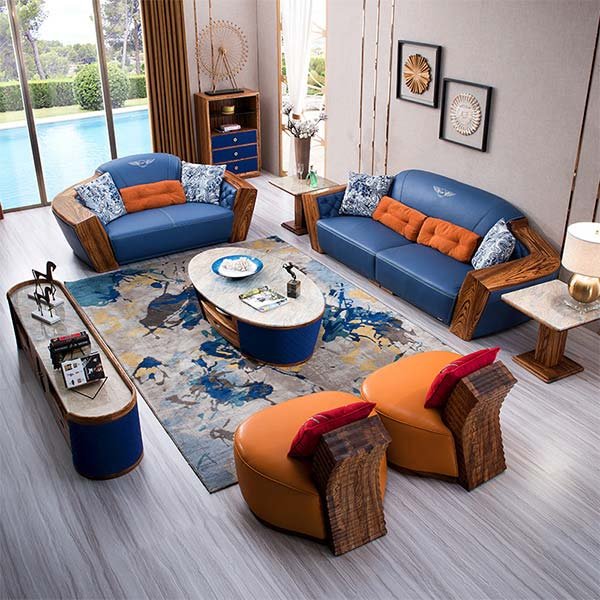
One of the most popular methods for dividing a living room and dining room is by using furniture as a physical barrier. This can be achieved by strategically placing sofas, chairs, or bookcases to create a visual separation between the two spaces. For example, placing a large sofa with its back facing the dining area can help define the living room while still allowing for an open feel.
Another option is to use a room divider or screen to physically separate the two areas. Room dividers come in a variety of styles and materials, from traditional folding screens to modern geometric panels. These dividers can be easily moved and rearranged as needed, making them a versatile solution for open-concept spaces.
In addition to furniture and room dividers, rugs can also be used to delineate the living room and dining room areas. By choosing rugs with different patterns or colors for each space, you can visually separate the two areas while still maintaining a cohesive look. Placing a large rug under the dining table and a smaller rug under the coffee table in the living room can help define each space.
If you prefer a more subtle approach, consider using lighting to create a distinction between the living room and dining room. By installing pendant lights or chandeliers above the dining table and floor lamps or sconces in the living room, you can create separate lighting zones that help define each area. This not only adds functionality but also enhances the overall ambiance of the space.
Incorporating plants and greenery into your living room and dining room can also help create a natural separation between the two areas. Tall potted plants or hanging planters can act as visual barriers while adding a touch of freshness and color to the space. Additionally, plants can help improve air quality and create a more inviting atmosphere in both rooms.
When arranging furniture to separate the living room and dining room, it’s important to consider the flow of traffic and how people will move between the two spaces. Make sure there is enough space for comfortable movement and that the furniture arrangement allows for easy access to both areas. Avoid blocking pathways or creating obstacles that could disrupt the flow of the space.
In conclusion, there are several creative ways to separate a living room and dining room using furniture and decor. Whether you choose to use sofas, room dividers, rugs, lighting, plants, or a combination of these elements, the key is to create a visual and functional distinction between the two areas while maintaining a cohesive overall design. By carefully planning and arranging your furniture, you can achieve a seamless transition between your living and dining spaces in an open-concept layout.
Open Shelving
When it comes to open floor plans, it can sometimes be challenging to create distinct spaces for different functions, such as separating the living room from the dining room. One effective way to achieve this separation is by using furniture strategically. Open shelving is a versatile and stylish option that can help define each area while still maintaining an open and airy feel in your home.
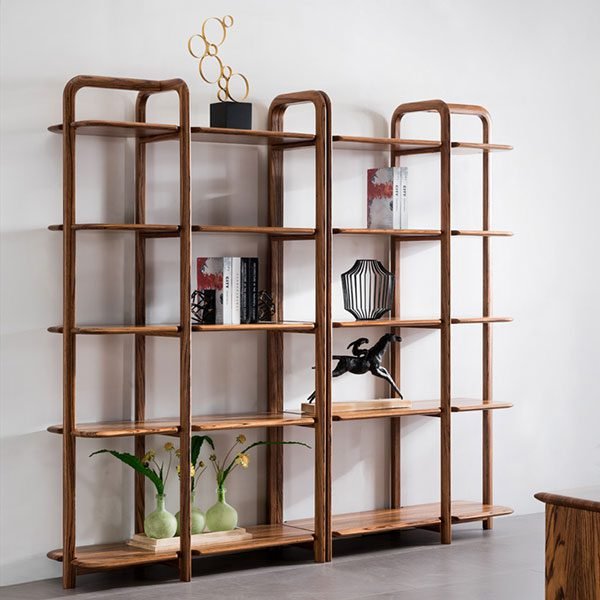
Open shelving is a popular choice for separating living and dining areas because it allows for both storage and display opportunities. By using open shelves, you can create a visual barrier between the two spaces without completely closing them off. This can help to define each area while still allowing for a sense of flow and continuity in your home.
One way to use open shelving to separate your living and dining areas is by creating a partition wall with shelves. This can be done by installing a series of shelves that extend from the floor to the ceiling, creating a partial wall that visually separates the two spaces. You can use the shelves to display decorative items, books, or even plants, adding both function and style to the room.
Another option is to use a freestanding shelving unit to divide the living and dining areas. This can be a more flexible option, as you can easily move the shelving unit if you decide to rearrange your space in the future. Look for a shelving unit that complements the style of your home and provides ample storage and display space for your needs.
In addition to creating a physical barrier between the living and dining areas, open shelving can also help to define each space by providing a focal point for the room. By styling the shelves with carefully curated items, you can draw the eye to specific areas of the room and create a sense of balance and harmony in the space.
When styling your open shelves, consider using a mix of decorative items, such as vases, candles, and artwork, along with practical items like baskets or bins for storage. This will help to create a cohesive look that is both functional and visually appealing. You can also use the shelves to display items that reflect the function of each area, such as cookbooks in the dining area or family photos in the living room.
In conclusion, open shelving is a versatile and stylish option for separating living and dining areas in an open floor plan. By using shelves to create a visual barrier between the two spaces, you can define each area while still maintaining a sense of flow and continuity in your home. Whether you choose to create a partition wall with shelves or use a freestanding shelving unit, open shelving can help you create a functional and beautiful space that meets your needs and reflects your personal style.
Conclusion
One way to separate a living room and dining room with furniture is to use a room divider, such as a bookshelf or screen. This can create a visual barrier between the two spaces while still allowing for an open feel. Additionally, using different furniture styles or colors in each area can help differentiate the spaces. Ultimately, the key is to create a cohesive design that complements both rooms while still defining their individual functions.