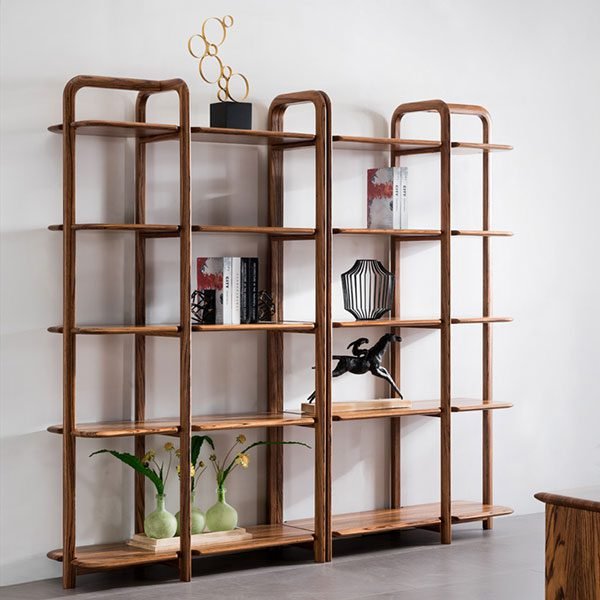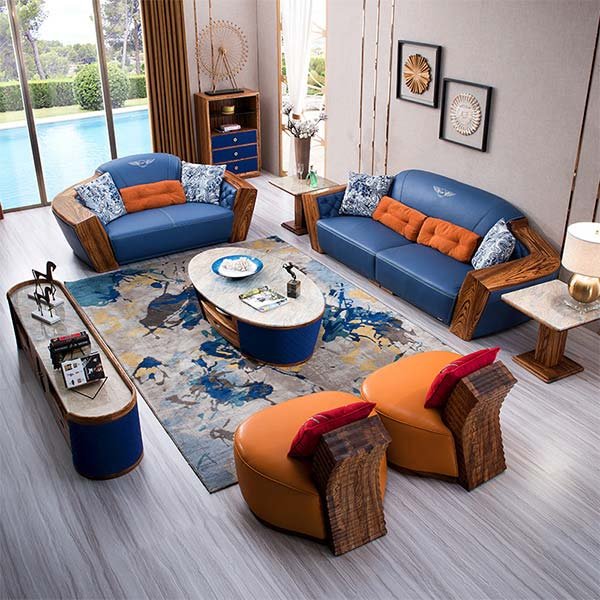
“Transform your living space with the perfect furniture selection.”
Matching Furniture Styles
Selecting furniture for your living room can be a daunting task, especially when trying to match different styles. The living room is often the focal point of a home, where family and friends gather to relax and socialize. It is important to create a cohesive and inviting space that reflects your personal style. When choosing furniture for your living room, it is essential to consider the overall aesthetic you want to achieve and how different pieces will work together.
One of the key factors to consider when selecting furniture for your living room is the style. There are many different styles to choose from, such as modern, traditional, rustic, and eclectic. It is important to choose a style that complements the existing decor in your home and reflects your personal taste. Mixing and matching different styles can create a unique and visually interesting space, but it is essential to do so carefully to avoid a disjointed look.
When mixing furniture styles in your living room, it is important to consider the scale and proportion of each piece. For example, if you have a large, overstuffed sofa, pairing it with delicate, antique side tables may create a visual imbalance. Instead, consider pairing the sofa with a more substantial coffee table or matching end tables to create a cohesive look. It is also important to consider the color and material of each piece of furniture to ensure they work well together.
Another important consideration when mixing furniture styles in your living room is to create a sense of balance. This can be achieved by incorporating pieces with similar shapes, textures, or finishes. For example, if you have a modern leather sofa, consider pairing it with a sleek, metal coffee table to create a cohesive look. Mixing different styles can add visual interest to your living room, but it is essential to maintain a sense of harmony to avoid a cluttered or chaotic appearance.
When mixing furniture styles in your living room, it is also important to consider the function of each piece. For example, if you have a large sectional sofa for lounging, consider pairing it with a comfortable armchair for additional seating. It is important to strike a balance between style and functionality to create a space that is both visually appealing and practical. Consider how each piece of furniture will be used and how it will contribute to the overall design of your living room.
In conclusion, selecting furniture for your living room involves careful consideration of style, scale, proportion, balance, and function. Mixing different styles can create a unique and visually interesting space, but it is essential to do so thoughtfully to avoid a disjointed look. By considering these factors and selecting pieces that complement each other, you can create a cohesive and inviting living room that reflects your personal style. Remember to take your time when selecting furniture and trust your instincts to create a space that you will love for years to come.
Considering Room Size and Layout
When it comes to selecting furniture for your living room, there are several factors to consider to ensure that you create a space that is both functional and aesthetically pleasing. One of the most important considerations is the size and layout of the room. By taking these factors into account, you can choose furniture that fits the space perfectly and enhances the overall look and feel of the room.
The first step in selecting furniture for your living room is to carefully measure the dimensions of the room. This will help you determine how much space you have to work with and what size furniture will fit comfortably in the room. It’s important to leave enough space for people to move around freely and for the furniture to be arranged in a way that allows for easy traffic flow.
Once you have a clear understanding of the size of the room, you can begin to think about the layout. Consider the natural focal point of the room, such as a fireplace, television, or large window, and arrange the furniture around this focal point to create a cohesive and visually appealing space. If the room is small, consider using furniture that is multi-functional, such as a sofa bed or ottoman with storage, to maximize space and functionality.
When selecting furniture for a large living room, it’s important to create separate seating areas to make the room feel cozy and inviting. Consider using a combination of sofas, chairs, and ottomans to create different zones for conversation, reading, and relaxation. Be sure to leave enough space between each seating area to allow for easy movement and conversation.
In addition to considering the size and layout of the room, it’s also important to think about the style and design of the furniture. Choose pieces that complement the overall aesthetic of the room and reflect your personal style. If you have a modern living room, opt for sleek, minimalist furniture with clean lines and neutral colors. For a more traditional space, choose furniture with ornate details and rich, warm tones.
When selecting furniture for your living room, it’s important to consider the scale of the pieces in relation to the size of the room. Avoid choosing furniture that is too large or too small for the space, as this can make the room feel cramped or unbalanced. Instead, opt for furniture that is proportionate to the size of the room and allows for easy movement and flow.
In conclusion, selecting furniture for your living room requires careful consideration of the size and layout of the room. By measuring the dimensions of the space, creating a functional layout, and choosing furniture that complements the style of the room, you can create a space that is both comfortable and visually appealing. Remember to consider the scale of the furniture in relation to the size of the room to ensure a balanced and harmonious design. With these tips in mind, you can create a living room that is both functional and beautiful.
Choosing Functional and Comfortable Pieces
When it comes to selecting furniture for your living room, there are a few key factors to consider in order to create a space that is both functional and comfortable. The living room is often the central gathering place in a home, so it’s important to choose pieces that not only look great but also serve a practical purpose. From sofas and chairs to coffee tables and entertainment centers, each piece of furniture plays a role in shaping the overall look and feel of the room.
One of the first things to consider when selecting furniture for your living room is the size of the space. It’s important to measure the room and take note of any architectural features, such as windows, doors, and built-in shelving, that may impact the layout of the furniture. This will help you determine the scale of the pieces you need and ensure that they fit comfortably within the room.
In addition to size, it’s also important to consider the layout of the room and how you plan to use the space. If you enjoy entertaining guests, you may want to opt for a larger sofa and additional seating options, such as accent chairs or ottomans. On the other hand, if you prefer a more intimate setting for relaxing with family, a smaller sectional or loveseat may be more appropriate.
When it comes to selecting seating for your living room, comfort should be a top priority. After all, you want your guests to feel at ease when they visit, and you want to be able to relax and unwind after a long day. Look for sofas and chairs with plush cushions and supportive backs, and consider the depth and height of the seats to ensure they are comfortable for extended periods of time.
In addition to comfort, it’s also important to consider the style of the furniture and how it complements the overall aesthetic of the room. Whether you prefer a modern, minimalist look or a more traditional, cozy feel, there are a wide range of options available to suit your personal taste. Consider the materials, colors, and finishes of the furniture pieces to ensure they coordinate with the rest of the room’s decor.
When selecting a coffee table or entertainment center for your living room, think about how you plan to use these pieces on a daily basis. If you enjoy hosting movie nights or game nights with friends, a larger entertainment center with ample storage for media equipment may be a good choice. On the other hand, if you prefer a more streamlined look, a smaller, more minimalist design may be more appropriate.
Ultimately, the key to selecting furniture for your living room is to strike a balance between functionality and comfort. By considering the size of the space, the layout of the room, and your personal style preferences, you can create a space that is both inviting and practical. Whether you’re looking for a cozy spot to relax with a book or a stylish setting to entertain guests, the right furniture can help you achieve the perfect living room design.
Conclusion
When selecting furniture for a living room, consider the size of the room, the style of the existing decor, the functionality of the furniture, and your personal preferences. It’s important to choose pieces that not only look good but also fit well in the space and serve a practical purpose. Additionally, consider the quality and durability of the furniture to ensure it will last for years to come. By carefully considering these factors, you can create a comfortable and stylish living room that suits your needs and tastes.