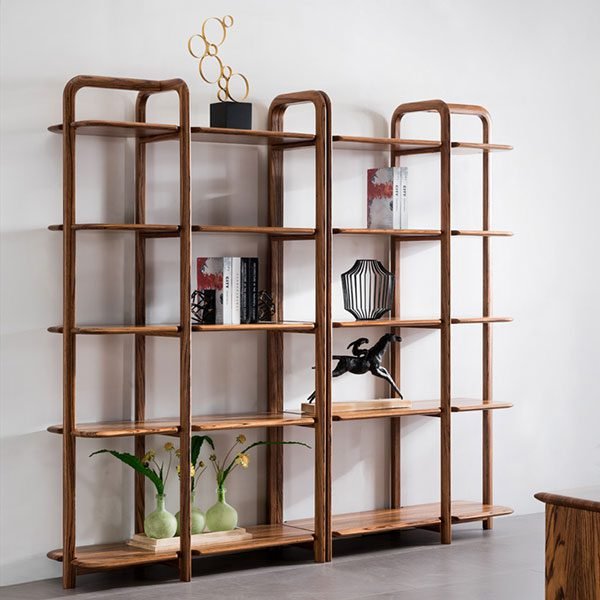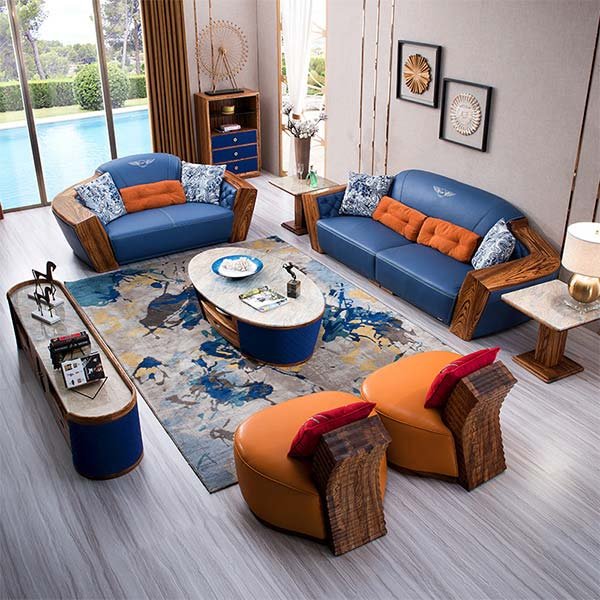
“Create the perfect space with strategic furniture placement.”
Arranging Furniture for Conversation
When it comes to designing a living room, one of the most important aspects to consider is how to position the furniture. The layout of your furniture can greatly impact the functionality and flow of the room. One key consideration when arranging living room furniture is creating a space that is conducive to conversation. Whether you are hosting a gathering of friends or simply enjoying a quiet evening with family, having a well-designed seating arrangement can make all the difference.
One of the first things to consider when arranging furniture for conversation is the focal point of the room. This could be a fireplace, a television, or a large window with a beautiful view. Once you have identified the focal point, you can begin to position your furniture around it. For example, if your living room has a fireplace, you may want to place a sofa and a couple of chairs facing the fireplace to create a cozy conversation area.
Another important consideration when arranging furniture for conversation is the layout of the seating. You want to create a space that is inviting and encourages interaction. One way to achieve this is by arranging the furniture in a way that allows for easy conversation. For example, placing chairs and sofas facing each other can create a more intimate setting that is conducive to conversation.
In addition to the layout of the seating, the placement of the furniture in relation to each other is also important. You want to create a sense of balance and harmony in the room. This can be achieved by ensuring that the furniture is evenly distributed throughout the space. For example, if you have a large sofa on one side of the room, you may want to balance it out with a couple of chairs on the other side.
When arranging furniture for conversation, it is also important to consider the flow of the room. You want to create a space that is easy to navigate and allows for smooth movement between seating areas. This can be achieved by leaving enough space between furniture pieces to allow for easy passage. Additionally, you may want to consider the placement of doors and windows when arranging furniture to ensure that they do not obstruct the flow of the room.
In addition to the layout and placement of the furniture, the style and design of the pieces you choose can also impact the conversation-friendly atmosphere of the room. Opt for comfortable seating options that invite guests to relax and linger. Consider adding accent pieces such as coffee tables or side tables to provide a place for drinks or snacks. You may also want to incorporate lighting elements such as floor lamps or table lamps to create a warm and inviting ambiance.
In conclusion, arranging furniture for conversation in your living room is an important aspect of creating a welcoming and functional space. By considering the focal point of the room, the layout of the seating, the placement of the furniture, the flow of the room, and the style and design of the pieces, you can create a space that is conducive to conversation and socializing. With a well-designed seating arrangement, you can create a living room that is not only aesthetically pleasing but also inviting and comfortable for both you and your guests.
Creating a Focal Point
When it comes to designing a living room, one of the most important aspects to consider is how to position the furniture. The layout of your furniture can greatly impact the overall look and feel of the room, as well as how functional the space is for everyday use. One key element to keep in mind when arranging your living room furniture is creating a focal point.
A focal point is a central element in a room that draws the eye and serves as a visual anchor. This could be a fireplace, a large window with a beautiful view, a piece of artwork, or even a statement piece of furniture. By creating a focal point in your living room, you can help to establish a sense of balance and harmony in the space.
When determining where to position your furniture, it’s important to consider the focal point of the room. Arrange your furniture in a way that allows the focal point to be the main attraction. For example, if you have a fireplace as the focal point, position your sofa and chairs around it to create a cozy seating area that highlights the fireplace.
In addition to the focal point, it’s also important to consider the flow of the room. Make sure there is enough space for people to move around comfortably, and that the furniture is arranged in a way that promotes conversation and interaction. Avoid placing furniture in a way that blocks pathways or creates awkward dead spaces.
Another important factor to consider when positioning your living room furniture is the size and scale of the pieces. Make sure that the furniture is proportionate to the size of the room, and that there is a good balance between large and small pieces. Avoid overcrowding the space with too much furniture, as this can make the room feel cramped and cluttered.
When arranging your furniture, consider the function of the room. If you use your living room primarily for entertaining guests, make sure there is plenty of seating available. If you use the room for watching TV or reading, position the furniture in a way that allows for comfortable viewing or reading.
In addition to the focal point, flow, size, and function of the room, it’s also important to consider the overall style and aesthetic you want to achieve. Choose furniture pieces that complement each other in terms of style, color, and material. Consider the overall color scheme of the room and choose furniture that fits within that palette.
Ultimately, the key to successfully positioning your living room furniture is to create a space that is both functional and visually appealing. By considering the focal point, flow, size, function, and style of the room, you can create a living room that is inviting, comfortable, and well-designed. Take the time to carefully plan out the layout of your furniture, and don’t be afraid to experiment with different arrangements until you find the perfect setup for your space.
Maximizing Space with Strategic Placement
When it comes to designing a living room, one of the most important aspects to consider is the placement of furniture. The way you position your furniture can have a significant impact on the overall look and feel of the room. By strategically placing your furniture, you can maximize space, create a more functional layout, and enhance the aesthetic appeal of the room.
One of the first things to consider when positioning living room furniture is the size and shape of the room. It’s important to take measurements and consider the layout of the space before deciding where to place your furniture. This will help you determine the best placement for each piece of furniture and ensure that the room feels balanced and well-proportioned.
When arranging furniture in a living room, it’s important to create a focal point. This could be a fireplace, a large window with a view, or a piece of artwork. Once you have identified the focal point, arrange your furniture around it to create a sense of balance and harmony in the room. This will help draw the eye to the focal point and create a cohesive look in the space.
Another important consideration when positioning living room furniture is traffic flow. It’s important to leave enough space between furniture pieces to allow for easy movement throughout the room. Avoid placing furniture in high-traffic areas or blocking doorways and walkways. By creating clear pathways, you can ensure that the room feels open and inviting.
When arranging furniture in a living room, it’s also important to consider the function of the space. Think about how you will be using the room and arrange your furniture accordingly. For example, if you like to entertain guests, consider creating conversation areas with seating grouped around a coffee table. If you enjoy watching TV, position your sofa and chairs facing the television for optimal viewing.
In addition to considering the function of the space, it’s also important to think about the scale and proportion of your furniture. Avoid overcrowding the room with oversized pieces or placing small furniture in a large space. Instead, choose furniture that fits the scale of the room and allows for easy movement and flow.
When positioning living room furniture, it’s also important to consider the placement of accessories and decor. Consider adding rugs, throw pillows, and artwork to enhance the overall look of the room. These elements can help tie the room together and add personality and style to the space.
In conclusion, strategic placement of living room furniture is essential for creating a functional and visually appealing space. By considering the size and shape of the room, creating a focal point, ensuring good traffic flow, and considering the function of the space, you can create a well-designed living room that maximizes space and enhances the overall look and feel of the room. By following these tips, you can create a living room that is both stylish and functional.
Conclusion
When positioning living room furniture, consider the layout of the room, the size of the furniture, and the flow of traffic. Make sure to leave enough space for people to move around comfortably and for easy access to doors and windows. Arrange furniture in a way that promotes conversation and creates a cozy and inviting atmosphere. Experiment with different layouts until you find one that works best for your space.