“Arrange with care, create a space that’s fair.”
Arranging Furniture for Conversation
When it comes to designing your living room, one of the most important aspects to consider is how you arrange your furniture. The layout of your furniture can greatly impact the functionality and aesthetic appeal of the space. One key consideration when arranging your furniture is creating a layout that promotes conversation and social interaction. By strategically placing your furniture, you can create a warm and inviting atmosphere that encourages guests to engage in conversation and enjoy each other’s company.
One of the first things to consider when arranging your furniture for conversation is the focal point of the room. This could be a fireplace, a television, or a large window with a beautiful view. Once you have identified the focal point, you can begin to arrange your furniture around it. Start by placing your largest piece of furniture, such as a sofa or sectional, facing the focal point. This will help to anchor the room and create a sense of balance.
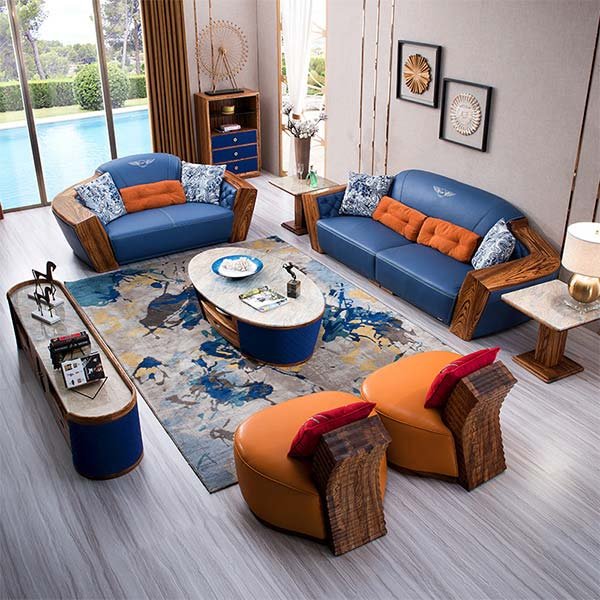
Next, consider the seating arrangement. Ideally, you want to create a layout that allows for easy conversation between guests. One popular option is to arrange your furniture in a U-shape or L-shape, with the seating facing each other. This allows for a more intimate and comfortable setting, where guests can easily engage in conversation without having to strain their necks or shout across the room.
In addition to the seating arrangement, consider the placement of side tables and coffee tables. These pieces of furniture can help to create a more cohesive and functional layout. Place side tables within easy reach of each seat, so guests have a place to set down their drinks or snacks. A coffee table can serve as a central gathering point for guests to place their belongings or play games.
When arranging your furniture for conversation, it’s also important to consider the flow of traffic in the room. Make sure there is enough space between furniture pieces to allow for easy movement around the room. Avoid placing furniture in high-traffic areas, such as in front of doorways or pathways. This will help to create a more open and inviting space that is conducive to socializing.
Another important consideration when arranging your furniture for conversation is the lighting in the room. Good lighting can help to create a warm and inviting atmosphere that encourages conversation. Consider using a mix of overhead lighting, floor lamps, and table lamps to create a well-lit space. Avoid harsh overhead lighting that can create glare or shadows, as this can be distracting and uncomfortable for guests.
In conclusion, arranging your furniture for conversation is an important aspect of designing your living room. By strategically placing your furniture around a focal point, creating a comfortable seating arrangement, and considering the flow of traffic and lighting in the room, you can create a warm and inviting space that encourages social interaction. With these tips in mind, you can create a living room that is not only functional and aesthetically pleasing but also conducive to conversation and socializing.
Maximizing Space with Furniture Placement
When it comes to designing your living room, one of the most important aspects to consider is how you arrange your furniture. Proper furniture placement can not only enhance the aesthetic appeal of the room but also maximize the available space. Whether you have a small or large living room, strategic placement of your furniture can make a significant difference in how the room looks and feels.
One of the first things to consider when placing furniture in your living room is the focal point. This could be a fireplace, a large window with a beautiful view, or a television. By arranging your furniture around the focal point, you can create a sense of balance and harmony in the room. For example, if your focal point is a fireplace, you may want to place your sofa and chairs facing it to create a cozy and inviting seating area.
Another important factor to consider is the traffic flow in the room. You want to make sure that there is enough space for people to move around comfortably without bumping into furniture. To achieve this, leave at least 3 feet of space between pieces of furniture to allow for easy movement. You may also want to consider creating pathways that lead from one area of the room to another, ensuring that there are no obstacles in the way.
In a small living room, it is essential to choose furniture that is appropriately scaled to the size of the room. Avoid bulky or oversized pieces that can overwhelm the space and make it feel cramped. Instead, opt for furniture with clean lines and a streamlined design that will help create a sense of openness. Consider using multipurpose furniture, such as a coffee table with storage or a sofa bed, to maximize functionality without sacrificing style.
When arranging furniture in a small living room, consider placing larger pieces against the walls to create an illusion of more space in the center of the room. This will help open up the room and make it feel more spacious. You can also use furniture to define different areas within the room, such as a seating area, a reading nook, or a dining space. By creating distinct zones, you can make the most of the available space and ensure that each area serves its purpose effectively.
In a large living room, you have more flexibility in terms of furniture placement. However, it is still essential to consider the scale and proportion of the room when arranging your furniture. To create a cohesive look, group furniture together in conversation areas that encourage social interaction. For example, you can create a seating area around a coffee table or a pair of chairs facing each other for intimate conversations.
When arranging furniture in a large living room, consider using rugs to define different areas and anchor the furniture. A rug can help tie the room together and add warmth and texture to the space. Choose a rug that complements the color scheme and style of the room to create a cohesive look.
In conclusion, proper furniture placement is essential for maximizing space and creating a functional and visually appealing living room. By considering factors such as the focal point, traffic flow, scale, and proportion of the room, you can create a layout that works for your lifestyle and enhances the overall design of the space. Whether you have a small or large living room, strategic placement of your furniture can make a significant difference in how the room looks and feels.
Creating a Focal Point with Furniture
When it comes to designing your living room, one of the most important aspects to consider is how you arrange your furniture. The way you place your furniture can have a significant impact on the overall look and feel of the room. One key element to keep in mind when arranging your furniture is creating a focal point. A focal point is a central point of interest in a room that draws the eye and helps to anchor the space. By strategically placing your furniture around a focal point, you can create a cohesive and visually appealing layout.
One of the most common focal points in a living room is the fireplace. If your living room has a fireplace, consider placing your furniture around it to create a cozy and inviting atmosphere. Start by positioning your sofa facing the fireplace, with additional seating such as armchairs or a loveseat arranged around it. This arrangement not only highlights the fireplace as the focal point but also creates a comfortable seating area for conversation and relaxation.
If your living room does not have a fireplace, you can create a focal point using other elements such as a large piece of artwork, a statement piece of furniture, or a decorative accent wall. When choosing a focal point, consider the size and scale of the room, as well as the overall style and aesthetic you want to achieve. Once you have selected a focal point, arrange your furniture in a way that complements and enhances it.
When arranging your furniture around a focal point, it is important to consider the flow of the room. Make sure there is enough space between pieces of furniture to allow for easy movement and conversation. Avoid placing furniture too close together or blocking pathways, as this can make the room feel cramped and cluttered. Instead, aim for a balanced layout that allows for a comfortable and functional living space.
In addition to creating a focal point, consider the function of the room when arranging your furniture. Think about how you use the space on a daily basis and what activities you typically do in the living room. For example, if you enjoy watching TV, make sure your seating is positioned in a way that allows for optimal viewing. If you like to entertain guests, create a seating arrangement that encourages conversation and interaction.
Another important factor to consider when arranging your furniture is the placement of lighting. Proper lighting can enhance the overall ambiance of the room and highlight your focal point. Consider incorporating a mix of overhead lighting, floor lamps, and table lamps to create a warm and inviting atmosphere. Position lighting fixtures strategically to illuminate key areas of the room and create a sense of balance.
In conclusion, creating a focal point with furniture is an essential aspect of designing your living room. By strategically placing your furniture around a central point of interest, you can create a cohesive and visually appealing layout that enhances the overall look and feel of the room. Consider the size and scale of the room, the function of the space, and the placement of lighting when arranging your furniture. With careful planning and attention to detail, you can create a stylish and functional living room that reflects your personal style and taste.
Conclusion
When placing furniture in your living room, consider the flow of traffic, balance of space, and functionality of each piece. Start by arranging larger pieces like the sofa and coffee table first, then add accent chairs, side tables, and other accessories to complete the space. Experiment with different layouts to find the best arrangement that suits your style and needs. Remember to leave enough room for movement and ensure that the furniture is proportionate to the size of the room. By carefully planning and arranging your furniture, you can create a comfortable and inviting living room that reflects your personal taste.