“Maximize space and style with strategic furniture placement in your open concept living room.”
Arranging Furniture for Conversation
Arranging furniture in an open concept living room can be a challenging task. With no walls to define separate spaces, it’s important to create a layout that promotes conversation and flow. One key aspect to consider when arranging furniture in an open concept living room is creating conversation areas.
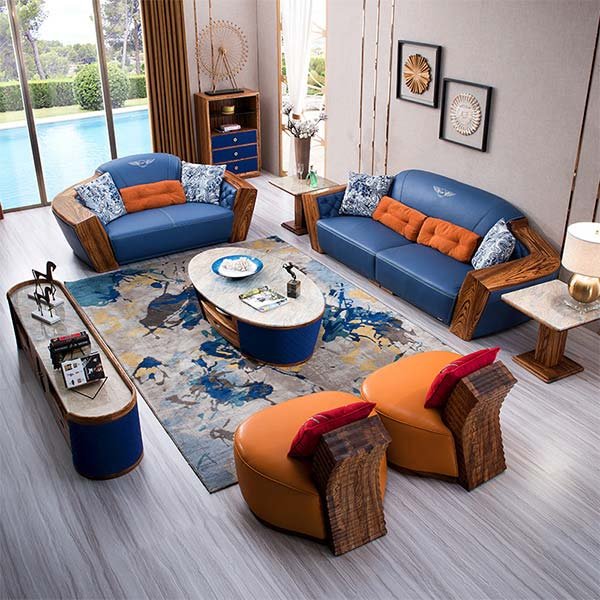
To create conversation areas, start by grouping furniture together in a way that encourages interaction. Place sofas and chairs facing each other to create a cozy seating arrangement. This will make it easier for people to engage in conversation without having to shout across the room.
Another important factor to consider when arranging furniture in an open concept living room is the flow of traffic. Make sure there is enough space between furniture pieces to allow for easy movement throughout the room. Avoid blocking pathways with large pieces of furniture, as this can make the room feel cramped and cluttered.
When arranging furniture in an open concept living room, it’s also important to consider the scale of the room. Choose furniture that fits the scale of the space, avoiding oversized pieces that can overwhelm the room. Opt for smaller, more streamlined furniture pieces that will help create a sense of balance and harmony in the room.
In addition to creating conversation areas and considering traffic flow and scale, it’s also important to think about the function of the room. Consider how you will be using the space and arrange furniture accordingly. For example, if you enjoy watching TV, make sure the seating area is positioned in a way that allows for optimal viewing.
When arranging furniture in an open concept living room, don’t be afraid to experiment with different layouts. Try moving furniture around until you find a configuration that works best for your space. Remember, the goal is to create a comfortable and inviting environment that promotes conversation and relaxation.
In conclusion, arranging furniture in an open concept living room requires careful consideration of conversation areas, traffic flow, scale, and function. By following these tips and experimenting with different layouts, you can create a space that is both functional and aesthetically pleasing. So go ahead, get creative, and transform your open concept living room into a welcoming and inviting space for all to enjoy.
Creating Zones for Different Activities
Open concept living rooms have become increasingly popular in modern homes, as they create a sense of spaciousness and flow. However, arranging furniture in an open concept living room can be a bit challenging, as you want to create distinct zones for different activities while still maintaining a cohesive look. In this article, we will discuss some tips on how to place furniture in an open concept living room to create functional and visually appealing spaces.
One of the key principles to keep in mind when arranging furniture in an open concept living room is to create distinct zones for different activities. This can be achieved by grouping furniture together based on their function. For example, you can create a seating area for conversation by placing a sofa and a couple of armchairs facing each other, with a coffee table in the center. This arrangement encourages interaction and creates a cozy atmosphere for socializing.
Another important consideration when creating zones in an open concept living room is to define the boundaries of each area. You can use area rugs, lighting, or even furniture placement to delineate different zones. For example, you can use a large area rug to define the seating area, or use pendant lights to highlight the dining area. By creating visual boundaries, you can make each zone feel more intentional and purposeful.
When arranging furniture in an open concept living room, it’s also important to consider the flow of traffic. You want to ensure that there is enough space for people to move around comfortably without feeling cramped. One way to achieve this is by leaving enough space between furniture pieces to allow for easy passage. You can also create pathways by arranging furniture in a way that directs traffic towards specific areas, such as the dining table or the TV.
In addition to creating distinct zones for different activities, it’s also important to consider the scale and proportion of furniture in an open concept living room. You want to make sure that the furniture pieces you choose are appropriately sized for the space and complement each other in terms of style and design. For example, if you have a large sectional sofa, you may want to balance it out with a couple of smaller accent chairs to create a more harmonious look.
When placing furniture in an open concept living room, it’s also important to consider the focal points of the space. Focal points can help anchor the room and draw attention to specific areas, such as a fireplace, a large window, or a piece of artwork. By arranging furniture around these focal points, you can create a sense of balance and harmony in the room.
In conclusion, arranging furniture in an open concept living room requires careful consideration of creating zones for different activities, defining boundaries, ensuring smooth traffic flow, choosing appropriate scale and proportion, and highlighting focal points. By following these tips, you can create a functional and visually appealing space that is well-suited for modern living.
Maximizing Space with Multi-functional Pieces
Open concept living rooms have become increasingly popular in modern homes, as they create a sense of spaciousness and flow. However, arranging furniture in an open concept living room can be a bit challenging, as you want to maximize space while still creating distinct areas for different activities. One way to achieve this is by using multi-functional pieces of furniture.
Multi-functional pieces are a great way to make the most of your open concept living room. These pieces serve more than one purpose, allowing you to save space and create a versatile environment. For example, a sofa bed can be used as a comfortable seating area during the day and easily converted into a bed for overnight guests. This is especially useful in smaller living spaces where every square inch counts.
Another multi-functional piece that can help maximize space in an open concept living room is a storage ottoman. Not only does it provide extra seating, but it also offers hidden storage for blankets, pillows, or other items that you want to keep out of sight. This is a great way to declutter your living room and keep it looking neat and organized.
When choosing multi-functional pieces for your open concept living room, consider the scale and proportion of the furniture. You want pieces that are not too bulky or overwhelming, as this can make the space feel cramped. Opt for sleek and streamlined designs that blend seamlessly with the rest of your decor.
In addition to multi-functional pieces, you can also maximize space in your open concept living room by using furniture that can be easily moved around. This allows you to reconfigure the layout of the room depending on your needs or the occasion. For example, a set of nesting tables can be spread out for extra surface space when entertaining guests, and then stacked together to free up floor space when not in use.
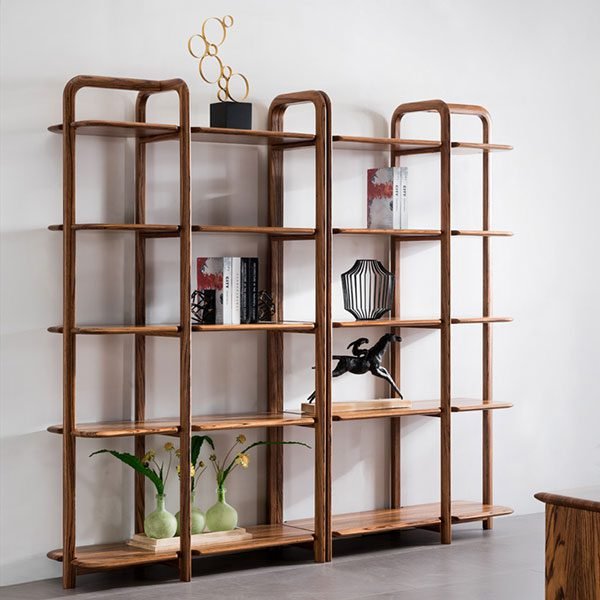
Another way to make the most of your open concept living room is by using furniture that serves as a room divider. For example, a bookshelf or a console table can be placed strategically to create a visual separation between the living area and the dining area. This helps define each space while still maintaining the open and airy feel of the room.
When arranging furniture in an open concept living room, it’s important to consider the flow of traffic and how people will move through the space. Make sure there is enough room for people to walk around comfortably without bumping into furniture. Leave clear pathways between seating areas and ensure that there is enough space for doors to open and close without obstruction.
In conclusion, maximizing space in an open concept living room can be achieved by using multi-functional pieces of furniture that serve more than one purpose. These pieces help save space, create versatility, and keep the room looking organized. By choosing the right furniture and arranging it thoughtfully, you can create a functional and stylish living space that meets all your needs.
Заключение
Place furniture in open concept living rooms in a way that creates distinct zones for different activities, such as seating areas, dining areas, and entertainment areas. Use area rugs, lighting, and furniture arrangement to define each zone while maintaining a sense of flow and openness in the space. Consider the scale and proportion of furniture pieces to ensure they fit the space and allow for easy movement. Experiment with different layouts until you find one that works best for your needs and the overall aesthetic of the room.