“Transform your living room with the perfect furniture placement.”
Arranging Furniture for Optimal Traffic Flow
When it comes to designing a living room, one of the most important aspects to consider is how to arrange the furniture for optimal traffic flow. A well-designed living room should not only be aesthetically pleasing but also functional and comfortable for everyday use. By strategically placing furniture in the room, you can create a space that is both visually appealing and easy to navigate.
One of the first things to consider when arranging furniture in a living room is the layout of the room itself. Take note of any architectural features, such as windows, doors, and built-in shelving, as these will impact where you can place furniture. It’s important to leave enough space around these features to ensure that they can be used properly and that the room feels open and inviting.
Once you have a good understanding of the layout of the room, you can start to think about the placement of the furniture. One key principle to keep in mind is to create clear pathways for people to move through the room. This means leaving enough space between pieces of furniture so that people can easily walk around without feeling cramped or blocked.
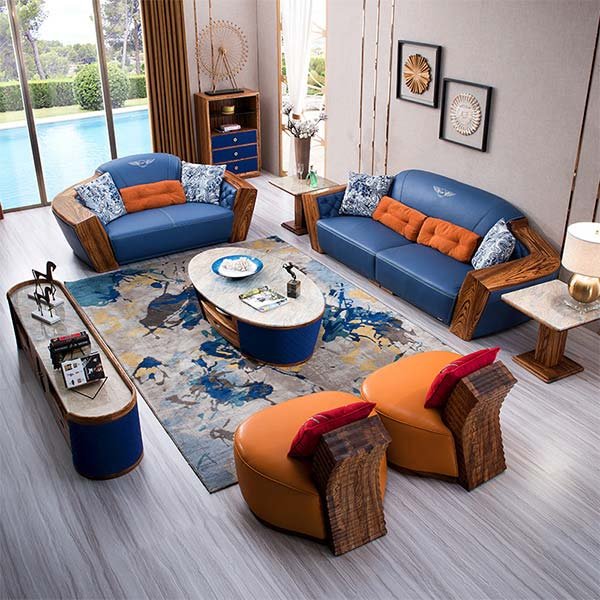
When arranging seating areas, consider the natural flow of conversation. Place sofas and chairs facing each other to encourage interaction and create a cozy atmosphere. If you have a fireplace or TV in the room, consider how these elements will impact the placement of furniture. You may want to create a focal point around these features by arranging seating in a way that draws attention to them.
Another important consideration when arranging furniture in a living room is to create a sense of balance and symmetry. This can be achieved by placing larger pieces of furniture, such as sofas and armchairs, in a way that creates a visually pleasing arrangement. You can also use smaller pieces, such as side tables and ottomans, to add balance and fill in empty spaces.
In addition to creating clear pathways and achieving balance, it’s also important to consider the function of the room. Think about how you and your family will use the space on a daily basis and arrange the furniture accordingly. For example, if you like to entertain guests, you may want to create multiple seating areas to accommodate different groups of people. If you have children or pets, you may want to choose durable and easy-to-clean fabrics for your furniture.
As you arrange the furniture in your living room, don’t be afraid to experiment with different layouts and configurations. You may find that moving a piece of furniture just a few inches can make a big difference in the overall look and feel of the room. Take your time and consider how each piece of furniture contributes to the overall design of the space.
In conclusion, arranging furniture in a living room is an important aspect of creating a functional and inviting space. By considering the layout of the room, creating clear pathways, achieving balance and symmetry, and thinking about the function of the room, you can create a living room that is both beautiful and practical. Experiment with different layouts and configurations to find the arrangement that works best for your space and lifestyle.
Creating a Focal Point with Furniture Placement
When it comes to designing a living room, one of the most important aspects to consider is furniture placement. The way you arrange your furniture can have a significant impact on the overall look and feel of the space. One key element to keep in mind is creating a focal point within the room. A focal point is a central feature that draws the eye and anchors the room’s design. By strategically placing furniture around this focal point, you can create a cohesive and visually appealing space.
One common focal point in a living room is the fireplace. If your room has a fireplace, consider positioning your furniture around it to highlight this feature. Place a sofa or a pair of armchairs facing the fireplace to create a cozy seating area. You can also add a coffee table and a rug to further define the space. By arranging your furniture in this way, you can make the fireplace the focal point of the room and create a warm and inviting atmosphere.
If your living room doesn’t have a fireplace, you can create a focal point using other elements such as a large window, a piece of artwork, or a statement piece of furniture. For example, if you have a beautiful piece of artwork, you can hang it on a prominent wall and arrange your furniture around it to showcase the artwork. Alternatively, if you have a stunning sofa or a unique coffee table, you can position these pieces in a way that draws attention to them.
When placing furniture around a focal point, it’s important to consider the flow of the room. Make sure there is enough space for people to move around comfortably and that the furniture arrangement allows for easy conversation. Avoid blocking pathways or placing furniture too close together, as this can make the room feel cramped and cluttered. Instead, aim for a balanced layout that allows for a natural flow of movement.
Another important factor to consider when placing furniture in a living room is the scale and proportion of the pieces. Make sure that the size of your furniture is appropriate for the size of the room. Avoid overcrowding the space with oversized pieces, as this can make the room feel small and cramped. Similarly, avoid using small furniture in a large room, as this can make the space feel empty and unbalanced. Instead, choose furniture that fits the scale of the room and allows for a comfortable and functional layout.
In addition to scale and proportion, consider the placement of your furniture in relation to other elements in the room. For example, if you have a television, make sure that your seating area is positioned in a way that allows for easy viewing. If you have built-in shelving or storage units, consider how these elements can be incorporated into your furniture arrangement. By taking into account the various elements in the room, you can create a cohesive and well-designed space.
In conclusion, furniture placement plays a crucial role in the design of a living room. By creating a focal point and arranging your furniture around it, you can create a visually appealing and functional space. Consider the scale and proportion of your furniture, as well as the flow of the room, when placing your pieces. By carefully planning your furniture layout, you can create a living room that is both stylish and comfortable.
Maximizing Space in a Small Living Room with Furniture Arrangement
When it comes to decorating a small living room, one of the biggest challenges is figuring out how to arrange furniture in a way that maximizes space and creates a functional and visually appealing layout. With a few key tips and tricks, you can make the most of your limited space and create a cozy and inviting living room that feels spacious and well-designed.
One of the first things to consider when arranging furniture in a small living room is the size and scale of your pieces. It’s important to choose furniture that fits the scale of the room and doesn’t overwhelm the space. Opt for smaller, more streamlined pieces that won’t take up too much floor space and make the room feel cramped. Consider using multi-functional furniture, such as a sofa bed or a coffee table with storage, to maximize space and functionality.
Another important factor to consider when arranging furniture in a small living room is the layout of the room itself. Take into account the location of windows, doors, and other architectural features, and plan your furniture arrangement accordingly. Avoid blocking windows or doorways with furniture, as this can make the room feel closed off and cramped. Instead, try to create a clear path for traffic flow and ensure that there is plenty of space to move around the room comfortably.
When arranging furniture in a small living room, it’s also important to consider the function of the space. Think about how you use the room on a daily basis and arrange your furniture in a way that supports those activities. For example, if you like to entertain guests, consider creating a seating area that encourages conversation and interaction. If you use the room primarily for watching TV, make sure that the seating is arranged in a way that allows everyone to have a clear view of the screen.
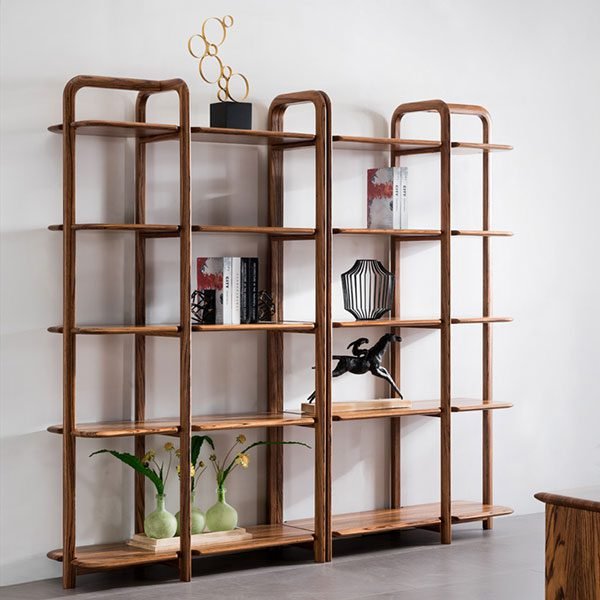
One of the best ways to maximize space in a small living room is to think vertically. Consider using wall-mounted shelves or cabinets to free up floor space and create storage solutions that don’t take up valuable real estate. You can also use tall bookcases or armoires to draw the eye upward and create the illusion of height in the room. By utilizing vertical space, you can make the most of every inch of your small living room and create a more open and airy feel.
In addition to considering the size, layout, and function of your furniture, it’s also important to pay attention to the overall aesthetic of the room. Choose furniture pieces that complement each other in terms of style, color, and material, and create a cohesive look that ties the room together. Consider using rugs, throw pillows, and other accessories to add pops of color and texture and create visual interest in the space.
By following these tips and tricks, you can create a well-designed and functional living room that maximizes space and makes the most of your small square footage. With a little creativity and careful planning, you can arrange your furniture in a way that enhances the flow of the room, creates a sense of openness, and makes your small living room feel cozy and inviting.
Conclusion
When placing furniture in a living room, consider the flow of the room, the function of the space, and the size of the furniture. Make sure to leave enough space for walking and ensure that the furniture is arranged in a way that promotes conversation and comfort. Additionally, consider the natural focal points of the room, such as a fireplace or large window, and arrange the furniture around these features to create a cohesive and inviting space.