“Maximize space and style in any shape with strategic furniture placement.”
Utilizing Corner Spaces Effectively
When it comes to furnishing an odd-shaped living room, one of the biggest challenges is figuring out how to utilize corner spaces effectively. These areas can often be overlooked or underutilized, but with some strategic planning and creativity, you can make the most of every inch of your living room.
One of the first things to consider when placing furniture in a corner space is the size and shape of the area. Is it a small nook that can only fit a small chair or table, or is it a larger corner that can accommodate a larger piece of furniture, such as a sectional sofa or a bookshelf? By taking measurements and assessing the layout of the room, you can determine what will fit best in each corner.
Once you have a sense of the size and shape of the corner space, think about how you want to use it. Do you need extra seating for guests, or are you looking for a place to display books or decorative items? Depending on your needs, you can choose furniture that will serve a specific purpose in the corner.
For example, if you need extra seating, consider placing a small armchair or a loveseat in the corner. This can create a cozy reading nook or a spot for guests to sit and chat. If you want to display books or decorative items, a corner bookshelf or a small console table can be a great option. These pieces can add visual interest to the room while also providing functional storage space.
Another way to utilize corner spaces effectively is to think about the flow of the room. Consider how people will move through the space and how furniture placement can help to create a sense of openness and balance. For example, if you have a large sectional sofa in one corner, you may want to balance it out with a smaller chair or table in the opposite corner. This can help to create a more harmonious layout and prevent the room from feeling too crowded or unbalanced.
In addition to furniture placement, consider the use of accessories and decor to enhance the corner space. A strategically placed floor lamp or a piece of artwork can draw attention to the corner and make it feel like a intentional part of the room. You can also use throw pillows, rugs, and other decorative items to add color and texture to the corner space, making it feel more inviting and cohesive with the rest of the room.
Overall, when it comes to placing furniture in an odd-shaped living room, utilizing corner spaces effectively is key. By taking measurements, considering your needs, and thinking about the flow of the room, you can create a functional and visually appealing layout that makes the most of every inch of your space. With some creativity and strategic planning, you can transform those awkward corners into stylish and functional areas that enhance the overall look and feel of your living room.
Creating Functional Zones
When it comes to furnishing an odd-shaped living room, it can be a challenge to make the space feel cohesive and functional. However, with some strategic planning and creative thinking, you can create a layout that maximizes the space and enhances the overall flow of the room. One effective way to tackle this task is by creating functional zones within the room.
Functional zones are designated areas within a room that serve a specific purpose, such as a seating area, a dining area, or a workspace. By dividing the room into these zones, you can create a sense of order and organization, while also making the most of the available space. Here are some tips for creating functional zones in an odd-shaped living room.
First, take stock of the room’s dimensions and shape. Identify any architectural features, such as alcoves, bay windows, or angled walls, that may impact the layout of the room. Consider how these features can be incorporated into the design of the functional zones, and how they can be used to your advantage.
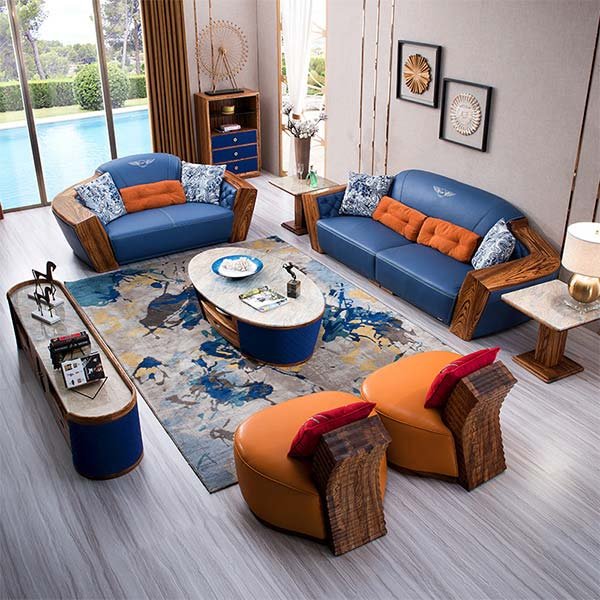
Next, determine the primary function of the room. Is it primarily a living room, a dining room, or a home office? Once you have identified the main purpose of the space, you can begin to plan out the layout of the functional zones. For example, if the room is primarily a living room, you may want to create a seating area with a sofa, armchairs, and a coffee table.
When creating functional zones, it’s important to consider the flow of traffic within the room. Make sure that there is enough space between the zones to allow for easy movement and access. Avoid placing furniture in such a way that it obstructs pathways or creates awkward dead spaces.
In an odd-shaped living room, you may need to get creative with the placement of furniture. Consider using modular or flexible furniture pieces that can be easily rearranged to fit the space. For example, a sectional sofa with movable components can be configured in different ways to accommodate the room’s shape.
Another strategy for creating functional zones in an odd-shaped living room is to use area rugs to define the different areas. By placing a rug under a grouping of furniture, you can visually separate one zone from another, while also adding warmth and texture to the room.
In addition to furniture placement, lighting is an important consideration when creating functional zones. Make sure that each zone has adequate lighting, whether it’s through overhead fixtures, floor lamps, or table lamps. Consider using dimmer switches to adjust the lighting levels according to the time of day and the activities taking place in each zone.
By creating functional zones in an odd-shaped living room, you can make the most of the space and create a layout that is both practical and visually appealing. With careful planning and attention to detail, you can transform a challenging room into a stylish and functional living space.
Incorporating Multi-functional Furniture
When it comes to decorating an odd-shaped living room, one of the biggest challenges is figuring out how to place furniture in a way that maximizes space and functionality. One solution to this problem is to incorporate multi-functional furniture into your design. Multi-functional furniture is a great way to make the most of a small or awkwardly shaped space, as it can serve multiple purposes and help you make the most of every square inch.
One of the most versatile pieces of multi-functional furniture is a sleeper sofa. A sleeper sofa can serve as both a comfortable place to sit and a bed for overnight guests. This is especially useful in a small living room where space is at a premium. By choosing a sleeper sofa, you can free up space that would otherwise be taken up by a separate sofa and bed, allowing you to make the most of your odd-shaped living room.
Another great option for multi-functional furniture is a storage ottoman. A storage ottoman can serve as a place to rest your feet, a coffee table, and a place to store blankets, pillows, and other items that you want to keep out of sight. This is particularly useful in a small living room where storage space is limited. By choosing a storage ottoman, you can keep your living room organized and clutter-free, even in an odd-shaped space.
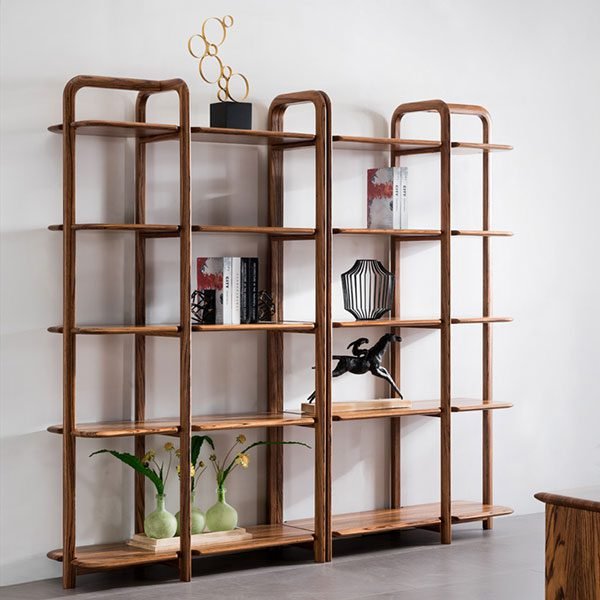
Incorporating a bookcase that doubles as a room divider is another great way to make the most of an odd-shaped living room. A bookcase can serve as a place to display books, photos, and other decorative items, while also dividing the space into separate areas for different activities. This is especially useful in a long, narrow living room where it can be difficult to create distinct zones for lounging, dining, and working. By choosing a bookcase that doubles as a room divider, you can create a more functional and visually appealing space.
A folding dining table is another great option for multi-functional furniture in an odd-shaped living room. A folding dining table can be tucked away when not in use, freeing up valuable floor space for other activities. This is particularly useful in a small living room where space is limited and a traditional dining table would take up too much room. By choosing a folding dining table, you can enjoy meals with family and friends without sacrificing space in your odd-shaped living room.
In conclusion, incorporating multi-functional furniture is a great way to make the most of an odd-shaped living room. By choosing pieces that serve multiple purposes, such as a sleeper sofa, storage ottoman, bookcase room divider, and folding dining table, you can maximize space and functionality in your living room. Whether you have a small living room or an awkwardly shaped space, multi-functional furniture can help you create a stylish and functional design that works for your lifestyle.
Conclusion
When placing furniture in an odd shaped living room, consider the flow of the room, the function of the space, and the focal points. Use versatile furniture pieces, such as modular sofas or ottomans, to maximize space and create flexibility. Experiment with different layouts to find the best arrangement that suits the room’s unique shape and size.