Maximize space with strategic furniture placement in your narrow living room.
Utilizing Multipurpose Furniture
When it comes to decorating a narrow living room, one of the biggest challenges is figuring out how to place furniture in a way that maximizes space and functionality. With limited square footage, it’s important to make every piece of furniture count. One way to do this is by utilizing multipurpose furniture.
Multipurpose furniture is a great solution for small spaces because it serves more than one function, allowing you to make the most of the limited space you have. For example, a sofa bed can provide seating during the day and a place for guests to sleep at night. A coffee table with storage can help you keep clutter at bay while also providing a surface for drinks and snacks.
Another option for multipurpose furniture is a console table that can double as a desk or a dining table. This type of furniture is perfect for a narrow living room because it can be pushed up against a wall when not in use, freeing up valuable floor space. Look for pieces that are compact and versatile to make the most of your small living room.
In addition to multipurpose furniture, consider using furniture that is visually lightweight. This means choosing pieces that have legs or are made of transparent materials, such as glass or acrylic. These types of furniture create the illusion of more space by allowing light to pass through them, making the room feel more open and airy.
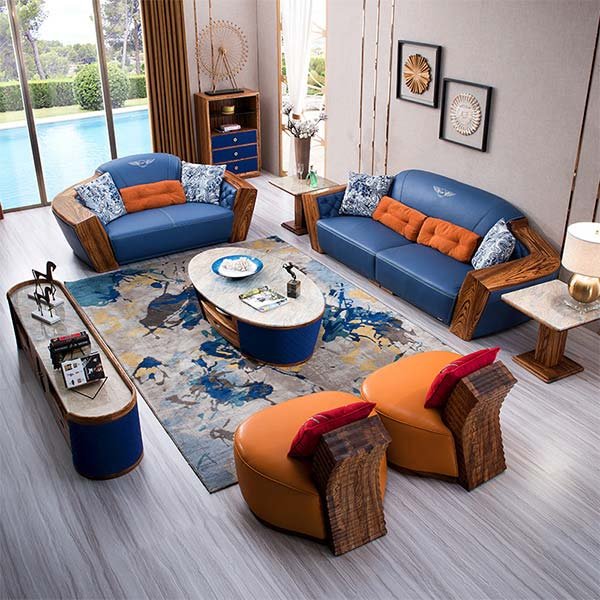
When arranging furniture in a narrow living room, it’s important to create a sense of balance and flow. Start by placing the largest piece of furniture, such as a sofa, against the longest wall. This will help anchor the room and provide a focal point. Next, add smaller pieces of furniture, such as armchairs or side tables, to create a cozy seating area.
To make the most of the space in a narrow living room, consider using furniture that can be easily moved around. This will allow you to rearrange the layout as needed for different activities, such as entertaining guests or watching TV. Look for furniture on casters or with lightweight frames that can be easily repositioned.
Incorporating multipurpose furniture into a narrow living room can help you make the most of your space while also adding style and functionality. By choosing pieces that serve more than one purpose and are visually lightweight, you can create a comfortable and inviting space that feels larger than it actually is. Experiment with different furniture arrangements to find the layout that works best for your needs and enjoy your stylish and functional living room.
Creating a Focal Point
When it comes to decorating a narrow living room, one of the most important aspects to consider is how to place furniture in a way that maximizes space and creates a visually appealing layout. One key strategy for achieving this is by creating a focal point in the room. A focal point is a central element that draws the eye and anchors the space, helping to establish a sense of balance and harmony in the room.
One effective way to create a focal point in a narrow living room is by using a large piece of furniture, such as a sofa or a sectional, as the centerpiece of the room. Placing this piece along one of the longer walls can help to visually elongate the space and create a sense of depth. To further enhance the focal point, consider adding a bold piece of artwork or a statement rug behind the sofa to draw attention to this area of the room.
Another option for creating a focal point in a narrow living room is by using a fireplace or a media console as the central element. Placing these features along one of the shorter walls can help to create a cozy and inviting atmosphere in the room. To enhance the focal point, consider arranging seating around the fireplace or media console to create a comfortable and functional layout.
In addition to using furniture and other elements as focal points, you can also create visual interest in a narrow living room by incorporating different textures and materials. Mixing and matching furniture pieces in varying heights, shapes, and finishes can help to create a dynamic and layered look in the room. Consider incorporating a mix of materials such as wood, metal, and glass to add depth and dimension to the space.
When arranging furniture in a narrow living room, it’s important to consider the flow of traffic and how people will move through the space. To ensure that the room feels open and inviting, leave enough space between furniture pieces to allow for easy movement. Avoid placing furniture directly in front of doorways or walkways, as this can create a cramped and cluttered feel in the room.
To further enhance the flow of the room, consider using furniture with clean lines and open bases that allow for light to pass through. This can help to create a sense of airiness and openness in the space, making it feel larger and more inviting. Additionally, consider using furniture with built-in storage solutions, such as ottomans or coffee tables with hidden compartments, to help keep the room organized and clutter-free.
In conclusion, creating a focal point in a narrow living room is essential for establishing a sense of balance and harmony in the space. By using large furniture pieces, incorporating different textures and materials, and considering the flow of traffic, you can create a visually appealing and functional layout that maximizes space and enhances the overall aesthetic of the room. With careful planning and attention to detail, you can transform your narrow living room into a stylish and inviting space that you’ll love spending time in.
Arranging Furniture Along Walls
Arranging furniture in a narrow living room can be a challenging task. With limited space to work with, it’s important to make the most of every inch. One effective way to maximize space in a narrow living room is to arrange furniture along the walls. This not only helps to create a sense of openness in the room but also allows for better traffic flow.
When arranging furniture along walls, it’s important to consider the size and scale of the pieces. Start by placing the largest piece of furniture, such as a sofa or sectional, against one of the longer walls. This will help to anchor the room and create a focal point. Make sure to leave enough space around the furniture for easy movement and access to other areas of the room.
Next, add smaller pieces of furniture, such as accent chairs or side tables, along the remaining walls. This will help to balance the room and create a cohesive look. Be mindful of the placement of these pieces to ensure that they don’t obstruct pathways or create a cluttered feel. Consider using furniture with clean lines and open bases to create a sense of lightness in the room.
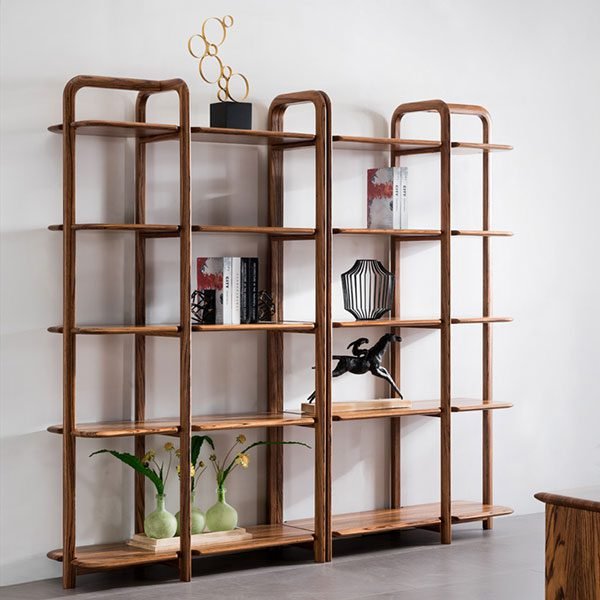
To further enhance the arrangement, consider adding a console table or bookshelf behind the sofa. This can provide additional storage and display space while also creating a visual separation between different areas of the room. Make sure to choose pieces that are proportionate to the size of the room and don’t overwhelm the space.
Incorporating a rug can also help to define the seating area and add warmth to the room. Choose a rug that is large enough to fit under the front legs of the furniture, creating a cohesive look. This will help to anchor the seating area and tie the room together.
When arranging furniture along walls, it’s important to consider the flow of the room. Make sure that there is enough space between pieces of furniture to allow for easy movement and conversation. Avoid placing furniture too close together, as this can make the room feel cramped and cluttered.
Incorporating lighting into the arrangement is also key. Consider adding floor lamps or wall sconces to provide ambient lighting and create a cozy atmosphere. Make sure to position lighting fixtures strategically to illuminate different areas of the room and create a sense of balance.
In conclusion, arranging furniture along walls is a practical and effective way to maximize space in a narrow living room. By carefully considering the size and scale of the pieces, creating a focal point, and maintaining a sense of flow, you can create a functional and visually appealing arrangement. Incorporating rugs, storage pieces, and lighting can further enhance the space and create a cohesive look. With these tips in mind, you can make the most of your narrow living room and create a comfortable and inviting space for you and your guests.
Conclusion
When placing furniture in a narrow living room, it is important to consider the flow of traffic, utilize vertical space, choose appropriately sized furniture, and create zones for different activities. By following these guidelines, you can maximize the functionality and aesthetics of your space.