“Find the perfect spot for your coffee table in your living room!”
Center of the room
Placing a coffee table in the center of the living room can be a great way to create a focal point and bring the room together. When positioning a coffee table in the center of the room, there are a few key factors to consider to ensure that it complements the space and enhances the overall design.
One important consideration when placing a coffee table in the center of the room is the size and shape of the table. A coffee table that is too large or too small for the space can throw off the balance of the room and make it feel cramped or empty. It’s important to choose a coffee table that is proportionate to the size of the room and the other furniture in the space.
In addition to size, the shape of the coffee table is also important when placing it in the center of the room. Round or oval coffee tables can help soften the lines of a room and create a more inviting and intimate atmosphere. On the other hand, square or rectangular coffee tables can add a sense of structure and formality to the space. Consider the overall style and aesthetic of the room when choosing the shape of the coffee table.
Another factor to consider when placing a coffee table in the center of the room is the height of the table. The height of the coffee table should be proportional to the height of the seating around it. A coffee table that is too low can make it difficult to reach items on the table, while a coffee table that is too high can feel awkward and out of place. Aim for a coffee table that is about the same height as the seat cushions on the surrounding furniture.
When positioning a coffee table in the center of the room, it’s important to leave enough space around the table for people to move freely. A good rule of thumb is to leave at least 18 inches of space between the coffee table and the surrounding furniture to allow for easy access and circulation. This will help prevent the room from feeling cramped and ensure that the coffee table is a functional and practical addition to the space.
In addition to size, shape, and height, the style and material of the coffee table are also important considerations when placing it in the center of the room. Choose a coffee table that complements the existing furniture and decor in the space. Consider the color, finish, and design of the coffee table to ensure that it enhances the overall aesthetic of the room.
Overall, when placing a coffee table in the center of the living room, it’s important to consider the size, shape, height, style, and material of the table to ensure that it complements the space and enhances the overall design. By taking these factors into account, you can create a stylish and functional focal point in your living room that brings the room together and adds to the overall ambiance of the space.
Along the wall
Placing a coffee table in your living room may seem like a simple task, but the way you position it can have a big impact on the overall look and functionality of the space. One popular placement option is to place the coffee table along the wall.
When placing a coffee table along the wall, it is important to consider the size and shape of the table in relation to the size of the room. A small room may benefit from a smaller, more compact coffee table, while a larger room can accommodate a larger table.
In addition to size, it is also important to consider the height of the coffee table. A coffee table that is too low may be difficult to reach from a seated position, while a table that is too high may feel awkward and out of place. Aim for a height that is comfortable for both sitting and standing.
When placing a coffee table along the wall, consider the flow of traffic in the room. Make sure there is enough space around the table for people to move freely without bumping into it. If the room is narrow, consider placing the table at an angle to create a more open feel.
Another important factor to consider when placing a coffee table along the wall is the style and design of the table. Choose a table that complements the overall decor of the room and adds to the aesthetic appeal. Whether you prefer a modern, minimalist design or a more traditional look, there are plenty of options to choose from.
When styling a coffee table placed along the wall, consider adding a decorative tray or a few carefully curated items to create a visually appealing display. A stack of books, a vase of flowers, or a decorative bowl can add interest and personality to the space.
In addition to styling, consider the functionality of the coffee table. If you like to entertain guests, choose a table with storage options or a lower shelf for books or magazines. If you prefer a more minimalist look, opt for a simple, sleek design.
Overall, placing a coffee table along the wall can be a great way to maximize space and create a stylish and functional living room. By considering factors such as size, height, flow of traffic, style, and functionality, you can create a cohesive and inviting space that is perfect for relaxing and entertaining. So next time you’re arranging your living room furniture, consider placing your coffee table along the wall for a chic and practical look.
In front of the sofa
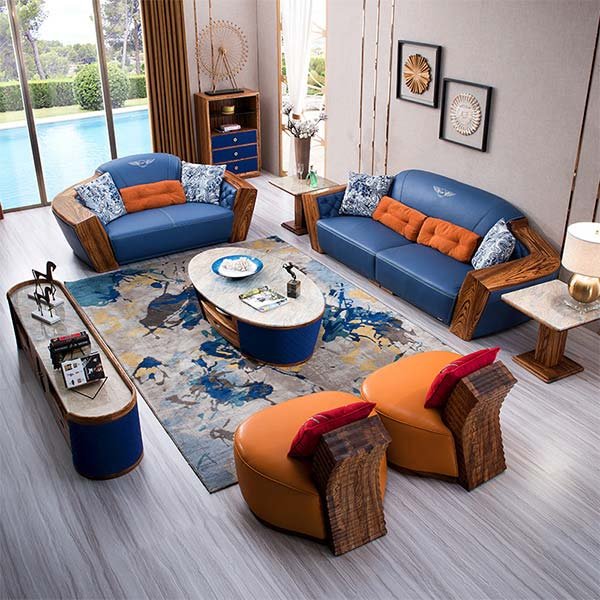
Placing a coffee table in front of the sofa is a common and practical choice for many living rooms. This arrangement not only provides a convenient spot to place drinks, snacks, and other items, but it also helps to anchor the seating area and create a cohesive look in the room.
When positioning a coffee table in front of the sofa, it’s important to consider the size and scale of both the table and the sofa. The coffee table should be proportionate to the sofa, typically about two-thirds to three-quarters the length of the sofa. This will ensure that the table is neither too small nor too large for the space.
In terms of placement, the coffee table should be centered in front of the sofa, leaving enough room for people to comfortably walk around it. This will create a balanced and visually appealing arrangement that encourages conversation and interaction among those seated on the sofa.
To enhance the functionality of the coffee table, consider choosing one with storage options such as drawers or shelves. This will allow you to keep remote controls, magazines, and other items neatly organized and out of sight, helping to maintain a clutter-free living room.
In addition to its practical function, the coffee table can also serve as a decorative element in the room. Choose a table that complements the style of the sofa and other furniture in the space. Consider materials such as wood, glass, or metal, as well as finishes and colors that coordinate with the overall color scheme of the room.
To further enhance the visual appeal of the coffee table, consider adding decorative accents such as a tray, vase, or stack of books. These items can help to personalize the space and add a touch of personality to the room.
When arranging the coffee table in front of the sofa, be mindful of traffic flow and ensure that there is enough space for people to move around the furniture comfortably. Avoid placing the table too close to the sofa, as this can make the room feel cramped and hinder movement.
In conclusion, placing a coffee table in front of the sofa is a practical and stylish choice for many living rooms. By considering the size, scale, and placement of the table, as well as its functionality and decorative elements, you can create a cohesive and inviting seating area that enhances the overall look and feel of the room.
Заключение
Place the coffee table in the center of the living room, ensuring it is easily accessible from all seating areas. Make sure it complements the overall design and style of the room. Consider the size and shape of the table in relation to the space available. Add decorative elements such as a tray, books, or a vase of flowers to enhance the look.