“Maximize space and style with strategic furniture placement.”
Arranging Furniture for Optimal Traffic Flow
When it comes to organizing your living room furniture, one of the key factors to consider is the traffic flow within the space. A well-organized living room not only looks aesthetically pleasing but also ensures that there is enough space for people to move around comfortably. In this article, we will discuss some tips on how to arrange your furniture to optimize traffic flow in your living room.
First and foremost, it is important to consider the main pathways in your living room. These are the areas where people are most likely to walk through, such as the entrance to the room, the pathway to the kitchen or dining area, and any other doorways or openings. It is essential to keep these pathways clear of any obstacles, such as furniture or decor items, to allow for easy movement.
One way to ensure optimal traffic flow in your living room is to create a clear path from one end of the room to the other. This can be achieved by arranging your furniture in a way that allows for easy navigation around the space. For example, placing your sofa against a wall or in a corner can help open up the center of the room and create a clear pathway for people to walk through.
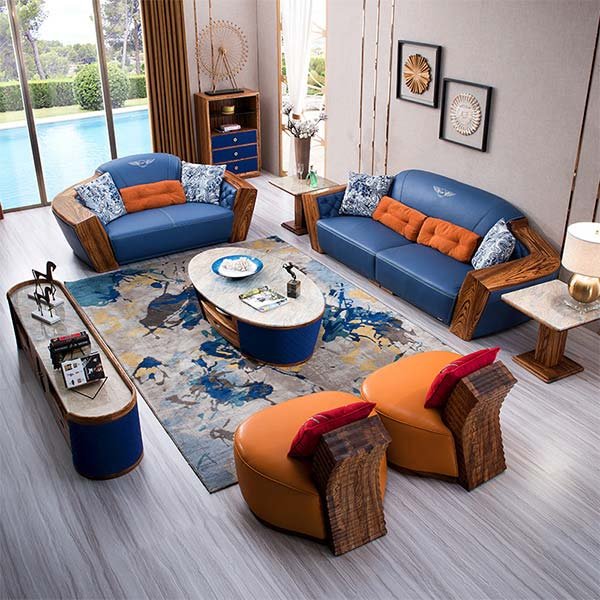
Another tip for optimizing traffic flow in your living room is to consider the placement of your coffee table or other central furniture pieces. These items should be positioned in a way that allows for easy access from all sides, without obstructing the main pathways in the room. Additionally, it is important to ensure that there is enough space around these furniture pieces for people to move around comfortably.
In addition to the placement of furniture, the size and scale of your pieces can also impact traffic flow in your living room. It is important to choose furniture that is proportionate to the size of the room and allows for easy movement around the space. Oversized furniture pieces can make a room feel cramped and hinder traffic flow, while smaller pieces can create a more open and spacious feel.
When arranging your furniture, it is also important to consider the function of the space. If your living room serves as a gathering area for family and friends, it is important to create seating arrangements that allow for easy conversation and interaction. Placing furniture pieces in a way that encourages socializing can help create a welcoming and inviting atmosphere in the room.
In conclusion, optimizing traffic flow in your living room is essential for creating a functional and comfortable space. By considering the main pathways in the room, creating clear pathways, and choosing appropriately sized furniture pieces, you can ensure that your living room is organized in a way that allows for easy movement and comfortable living. With these tips in mind, you can create a well-organized living room that is both aesthetically pleasing and functional for everyday use.
Creating Functional Zones in Your Living Room
When it comes to organizing your living room furniture, creating functional zones is key to maximizing the space and ensuring that each area serves a specific purpose. By dividing your living room into different zones, you can create a more cohesive and organized layout that is both visually appealing and practical.
One of the first steps in creating functional zones in your living room is to assess the size and shape of the room. Consider the natural flow of traffic and how people will move through the space. This will help you determine where to place key pieces of furniture, such as the sofa, coffee table, and entertainment center.
Once you have a clear understanding of the layout of your living room, you can begin to define different zones based on their intended use. For example, you may want to create a seating area for conversation and relaxation, a dining area for meals, and a workspace for reading or working on a laptop. By clearly defining these zones, you can ensure that each area serves its purpose without overlapping or feeling cluttered.
When arranging your furniture within each zone, consider the scale and proportion of each piece. For example, a large sofa may overwhelm a small seating area, while a small coffee table may get lost in a large dining area. By choosing furniture that is appropriately sized for each zone, you can create a more balanced and harmonious layout.
In addition to the size and scale of your furniture, consider the placement of each piece within the room. For example, placing the sofa against a wall can help define a seating area and create a sense of intimacy, while placing a dining table near the kitchen can make meal preparation and serving more convenient.
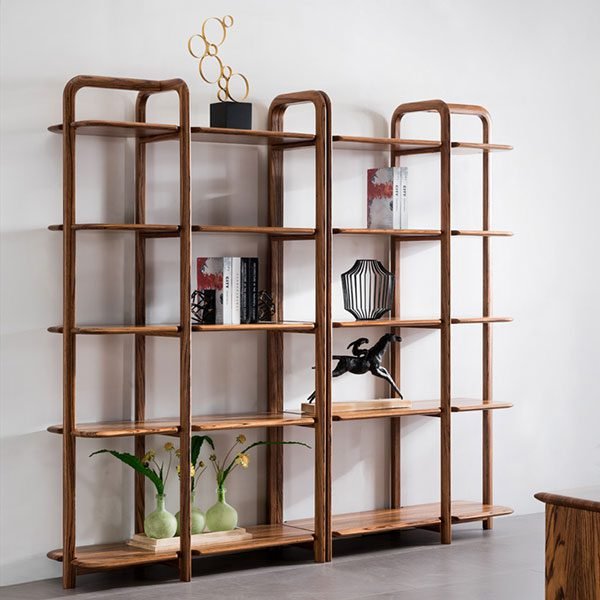
To further enhance the functionality of each zone, consider adding storage solutions such as bookshelves, cabinets, or ottomans with hidden compartments. These can help keep clutter at bay and make it easier to keep each area organized and tidy.
When arranging your furniture, be mindful of the traffic flow within the room. Make sure there is enough space between pieces to allow for easy movement and access to each zone. Avoid placing furniture in front of doorways or blocking pathways, as this can disrupt the flow of the room and make it feel cramped.
Finally, don’t be afraid to experiment with different layouts and configurations until you find one that works best for your living room. Consider rearranging furniture, swapping out pieces, or adding new elements to create a fresh and inviting space that meets your needs and reflects your personal style.
In conclusion, creating functional zones in your living room is essential for maximizing space and ensuring that each area serves a specific purpose. By carefully assessing the layout of the room, defining different zones, choosing appropriately sized furniture, and considering traffic flow, you can create a more organized and cohesive living room that is both practical and visually appealing. With a little planning and creativity, you can transform your living room into a functional and inviting space that meets your needs and enhances your daily life.
Maximizing Space with Multi-functional Furniture Pieces
When it comes to organizing your living room furniture, one of the key factors to consider is maximizing space with multi-functional furniture pieces. In today’s modern homes, space is often at a premium, and it’s important to make the most of every square foot. By incorporating multi-functional furniture into your living room design, you can create a more efficient and versatile space that meets your needs and enhances the overall aesthetic of the room.
One of the most popular multi-functional furniture pieces for the living room is a sofa bed. A sofa bed serves a dual purpose as both a comfortable seating option and a convenient sleeping solution for guests. When not in use as a bed, a sofa bed can be easily folded up and used as a regular sofa, saving valuable floor space in the room. This type of furniture is perfect for smaller living rooms or studio apartments where space is limited.
Another versatile furniture piece to consider is a storage ottoman. A storage ottoman not only provides a comfortable place to rest your feet but also offers hidden storage space for blankets, pillows, or other items that tend to clutter up the living room. By choosing a storage ottoman with a removable top, you can easily access your belongings while keeping them out of sight when not in use. This type of furniture is ideal for keeping your living room organized and clutter-free.
In addition to sofa beds and storage ottomans, there are many other multi-functional furniture pieces that can help you maximize space in your living room. For example, a coffee table with built-in storage compartments or a lift-top design can provide extra space for books, magazines, or remote controls. A console table with drawers or shelves can serve as a stylish way to display decorative items while also offering additional storage space for small items.
When arranging multi-functional furniture in your living room, it’s important to consider the flow of the room and how each piece will be used. Start by measuring the dimensions of the room and creating a floor plan to determine the best layout for your furniture. Consider the placement of windows, doors, and other architectural features when arranging your furniture to ensure that the room feels balanced and cohesive.
When selecting multi-functional furniture pieces, choose pieces that complement the style and color scheme of your living room. Look for furniture that is both functional and aesthetically pleasing to create a cohesive and inviting space. Consider mixing and matching different types of multi-functional furniture to create a dynamic and versatile living room design.
In conclusion, organizing your living room furniture with multi-functional pieces is a great way to maximize space and create a more efficient and versatile living space. By incorporating sofa beds, storage ottomans, and other multi-functional furniture pieces into your design, you can create a stylish and functional living room that meets your needs and enhances the overall aesthetic of the room. With careful planning and consideration, you can create a living room that is both practical and beautiful.
Conclusion
When organizing your living room furniture, consider the layout of the room, the flow of traffic, and the function of each piece. Make sure to leave enough space for movement and create designated areas for different activities. Experiment with different arrangements until you find one that works best for your space and lifestyle.