“Maximize space and style with strategic furniture placement.”
Arranging Furniture for Optimal Traffic Flow
When it comes to organizing your living room furniture, one of the key factors to consider is the traffic flow within the space. A well-organized living room not only looks aesthetically pleasing but also ensures that the room is functional and easy to navigate. By arranging your furniture in a way that allows for optimal traffic flow, you can create a comfortable and inviting space for both you and your guests.
One of the first things to consider when arranging your living room furniture is the layout of the room itself. Take note of any architectural features, such as windows, doors, and focal points, that may impact the flow of traffic. It’s important to keep these elements in mind when positioning your furniture to ensure that there are clear pathways throughout the room.
When arranging your furniture, it’s essential to create designated areas for different activities, such as seating areas for conversation, a television viewing area, and a reading nook. By defining these areas, you can help to guide the flow of traffic and prevent the room from feeling cluttered or disorganized.
In order to optimize traffic flow, it’s important to leave enough space between furniture pieces to allow for easy movement. Avoid placing furniture too close together, as this can make it difficult to navigate the room comfortably. Instead, aim to create a balance between open space and furniture placement to ensure that there are clear pathways throughout the room.
Consider the size and scale of your furniture when arranging it in your living room. Oversized pieces can overwhelm a space and make it feel cramped, while smaller pieces may get lost in a large room. It’s important to strike a balance between furniture sizes to create a harmonious and well-proportioned space.
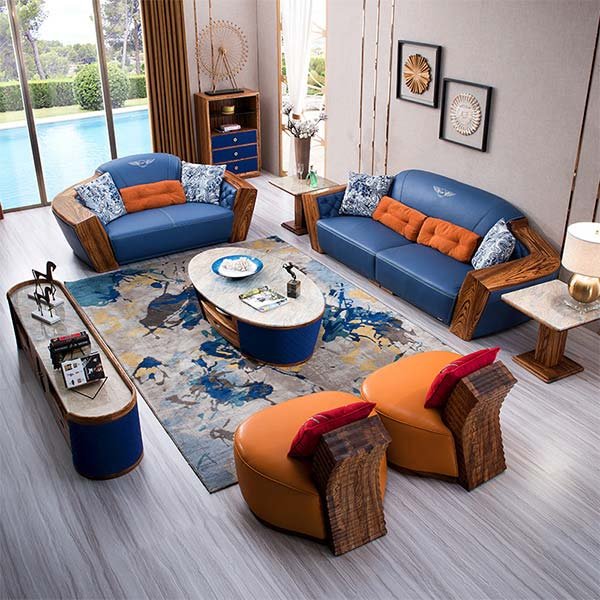
Another important factor to consider when arranging your living room furniture is the placement of rugs. Rugs can help to define seating areas and add warmth and texture to a room. When positioning a rug, make sure that it is large enough to accommodate all of the furniture in a seating area, with at least a few inches of space between the rug and the walls.
In addition to furniture placement, lighting also plays a crucial role in optimizing traffic flow in your living room. Make sure that there is adequate lighting throughout the room, including overhead lighting, task lighting, and accent lighting. By strategically placing lighting fixtures, you can create a well-lit and inviting space that is easy to navigate.
In conclusion, organizing your living room furniture for optimal traffic flow is essential for creating a functional and inviting space. By considering the layout of the room, creating designated areas for different activities, leaving enough space between furniture pieces, and paying attention to the size and scale of your furniture, you can create a well-balanced and harmonious living room. Additionally, the placement of rugs and lighting can help to enhance the flow of traffic and create a comfortable and inviting atmosphere. By following these tips, you can create a living room that is both stylish and functional for you and your guests to enjoy.
Creating Functional Zones in Your Living Room
When it comes to organizing your living room furniture, creating functional zones is key to maximizing the space and ensuring that each area serves a specific purpose. By dividing your living room into different zones, you can create a more cohesive and organized layout that is both visually appealing and practical.
One of the first steps in organizing your living room furniture is to assess the layout of the room and determine how you want to use the space. Consider the activities that take place in your living room, such as watching TV, reading, entertaining guests, or simply relaxing. Once you have a clear idea of how you want to use the space, you can begin to create functional zones that cater to each activity.
For example, if you enjoy watching TV in your living room, consider creating a designated TV viewing area. This can be achieved by placing your TV on a stand or mounting it on the wall, and arranging your seating around it in a way that allows for comfortable viewing. You may also want to consider adding a coffee table or side tables to hold snacks and drinks while you watch TV.
If you enjoy reading in your living room, consider creating a cozy reading nook. This can be achieved by placing a comfortable chair or chaise lounge near a window or in a quiet corner of the room, along with a small side table or bookshelf to hold your reading materials. Adding a floor lamp or table lamp can also help create a warm and inviting atmosphere for reading.
If you frequently entertain guests in your living room, consider creating a conversation area. This can be achieved by arranging your seating in a way that encourages interaction, such as placing chairs and sofas facing each other around a coffee table. Adding accent chairs or ottomans can also provide additional seating for guests.
In addition to creating functional zones for specific activities, it is also important to consider the flow of traffic in your living room. Make sure that there is enough space between furniture pieces to allow for easy movement throughout the room. Avoid placing furniture in front of doorways or blocking pathways, as this can make the room feel cramped and cluttered.
When arranging your furniture, consider the scale and proportion of each piece in relation to the size of the room. Avoid overcrowding the space with too much furniture, as this can make the room feel cluttered and overwhelming. Instead, focus on selecting a few key pieces that are both functional and visually appealing.
In conclusion, creating functional zones in your living room is essential for organizing your furniture in a way that maximizes the space and serves your needs. By assessing the layout of the room, determining how you want to use the space, and considering the flow of traffic, you can create a cohesive and organized layout that is both practical and aesthetically pleasing. With a little planning and creativity, you can transform your living room into a functional and inviting space that reflects your personal style and lifestyle.
Maximizing Space with Multi-functional Furniture Pieces
When it comes to organizing your living room furniture, maximizing space is key. One way to achieve this is by incorporating multi-functional furniture pieces into your layout. These versatile pieces not only serve their primary function but also provide additional storage or seating options, making them a practical choice for smaller living spaces.
One popular multi-functional furniture piece is the ottoman with storage. Ottomans are not only great for putting your feet up and relaxing, but they also offer hidden storage space for blankets, pillows, or other items that tend to clutter up your living room. This dual-purpose piece can help keep your space tidy and organized while providing a comfortable place to sit or rest your feet.
Another versatile option is a sofa bed. Sofa beds are perfect for accommodating overnight guests without taking up extra space in your living room. During the day, they function as a comfortable seating option, and at night, they can be easily transformed into a bed for guests. This dual-purpose piece is a practical solution for maximizing space in a small living room while still providing a comfortable sleeping option when needed.
Coffee tables with built-in storage are also a great way to maximize space in your living room. These tables not only provide a surface for drinks or snacks but also offer hidden storage compartments for books, magazines, or other items. By choosing a coffee table with storage, you can keep your living room clutter-free while still having easy access to your favorite reading materials or other essentials.
For those who need additional seating options, consider incorporating nesting tables into your living room layout. Nesting tables are a set of tables that can be stacked together when not in use, saving valuable floor space. When guests come over, you can easily separate the tables to provide extra seating or surface space for drinks and snacks. This versatile furniture piece is a practical solution for maximizing space in a small living room while still offering flexibility for entertaining.
Incorporating multi-functional furniture pieces into your living room layout can help you make the most of your space while still maintaining a stylish and organized look. By choosing pieces that serve dual purposes, such as ottomans with storage, sofa beds, coffee tables with built-in storage, or nesting tables, you can create a functional and inviting living room that meets your needs and maximizes space.
When arranging your multi-functional furniture pieces, consider the flow of the room and how each piece will be used. Place seating options near each other to encourage conversation and create a cozy atmosphere. Use storage pieces strategically to keep clutter at bay and maintain a clean and organized space. By carefully planning your layout and incorporating multi-functional furniture pieces, you can create a living room that is both stylish and practical, maximizing space and functionality in your home.
Conclusion
When organizing your living room furniture, consider the layout of the room, the flow of traffic, and the function of each piece. Start by placing the largest pieces first, such as the sofa and coffee table, and then add smaller pieces like accent chairs and side tables. Leave enough space for people to move around comfortably and ensure that the furniture arrangement promotes conversation and relaxation. Don’t be afraid to experiment with different layouts until you find one that works best for your space.