“Mix and match your way to a stylish living room oasis.”
Choosing a Color Scheme for Your Living Room Furniture
When it comes to decorating your living room, one of the most important aspects to consider is the furniture. The furniture you choose can set the tone for the entire room and can make a big impact on the overall look and feel of the space. One popular trend in interior design is mixing and matching different pieces of furniture to create a unique and eclectic look. However, mixing and matching furniture can be a bit tricky, as you want to make sure that everything works together harmoniously. One key aspect to consider when mixing and matching living room furniture is choosing a color scheme that ties everything together.
When choosing a color scheme for your living room furniture, it’s important to consider the overall style and aesthetic you are going for. Are you looking for a more traditional and classic look, or do you prefer a more modern and contemporary feel? Once you have a clear idea of the style you want to achieve, you can start thinking about colors that will complement that style.
One popular approach to mixing and matching living room furniture is to stick to a neutral color palette. Neutrals such as white, beige, gray, and black are versatile and timeless, making them a great choice for a cohesive look. By sticking to neutral colors for your furniture, you can mix and match different pieces without worrying about clashing colors. You can add pops of color through accessories such as throw pillows, rugs, and artwork to add interest and personality to the space.
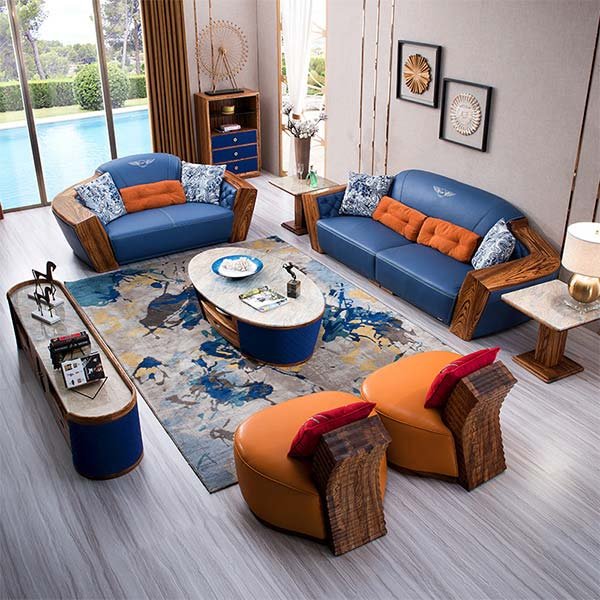
If you prefer a more colorful and eclectic look, you can mix and match furniture in different colors and patterns. One approach is to choose a dominant color for your furniture, such as a bold blue sofa or a vibrant red armchair, and then mix in other pieces in complementary colors. You can also mix different patterns and textures to add visual interest to the space. Just make sure to balance out the bold colors and patterns with more neutral pieces to avoid overwhelming the room.
Another important aspect to consider when choosing a color scheme for your living room furniture is the size and scale of the pieces. If you have a small living room, choosing furniture in light colors can help make the space feel larger and more open. On the other hand, if you have a large living room, you can experiment with darker colors and bolder patterns to create a cozy and inviting atmosphere.
In addition to the color of the furniture itself, you should also consider the color of the walls and flooring in your living room. The colors of these elements should complement the furniture and tie the room together. If you have neutral furniture, you can add color through the walls or a statement rug. If you have colorful furniture, you may want to keep the walls and flooring more neutral to let the furniture stand out.
In conclusion, choosing a color scheme for your living room furniture is an important step in creating a cohesive and harmonious space. Whether you prefer a neutral palette or a more colorful and eclectic look, there are endless possibilities for mixing and matching furniture to create a unique and personalized space. By considering the style, size, and scale of the furniture, as well as the colors of the walls and flooring, you can create a living room that is both stylish and comfortable.
Mixing Different Textures and Materials in Your Furniture
Mixing different textures and materials in your living room furniture can add depth and visual interest to your space. By combining various elements, you can create a unique and eclectic look that reflects your personal style. Here are some tips on how to successfully mix and match different textures and materials in your living room furniture.
One way to mix textures and materials in your living room furniture is to start with a neutral base. Choose a sofa or sectional in a solid color such as beige, gray, or white. This will serve as the foundation for the rest of your furniture pieces. Once you have your neutral base, you can then add in pieces with different textures and materials to create contrast and visual appeal.
Consider incorporating a leather accent chair or ottoman to add a touch of luxury and sophistication to your space. Leather adds a rich texture and can help to elevate the overall look of your living room. Pairing a leather piece with a fabric sofa can create a dynamic mix of materials that is both stylish and comfortable.
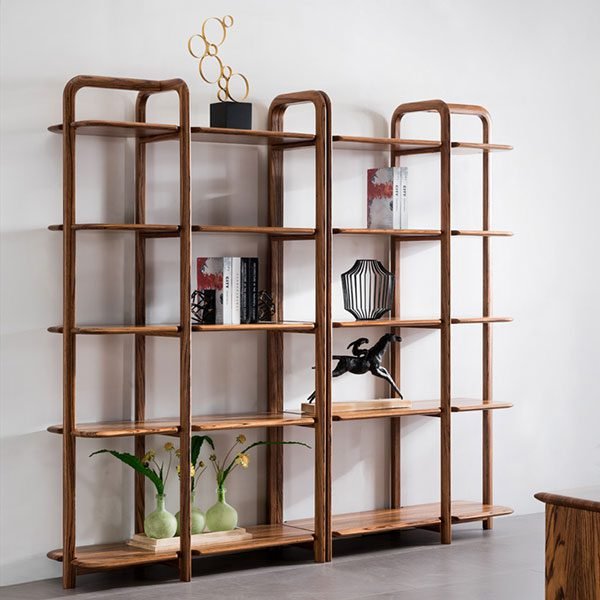
Another way to mix textures and materials in your living room furniture is to incorporate wood elements. Wood furniture adds warmth and natural beauty to a space, making it a versatile choice for mixing and matching with other materials. Consider adding a wooden coffee table, side table, or bookshelf to complement your existing furniture pieces.
To create a cohesive look when mixing different textures and materials, consider incorporating a unifying element such as color or pattern. Choose a color palette that ties all of your furniture pieces together, or opt for a common pattern or motif to create a sense of harmony in your space. This will help to create a cohesive and well-balanced look that is visually appealing.
When mixing textures and materials in your living room furniture, it’s important to consider scale and proportion. Make sure that your furniture pieces are appropriately sized for the space and that they complement each other in terms of scale. Mixing large-scale pieces with smaller-scale pieces can create visual interest and balance in your living room.
Incorporating metallic accents such as brass, copper, or chrome can also add a touch of glamour and sophistication to your living room furniture. Consider adding metallic elements through lighting fixtures, decorative accessories, or furniture hardware to create a chic and modern look. Mixing metallic accents with other textures and materials can create a dynamic and visually appealing space.
When mixing different textures and materials in your living room furniture, don’t be afraid to experiment and have fun with your design choices. Mix and match pieces that reflect your personal style and preferences, and don’t be afraid to step outside of your comfort zone. By incorporating a variety of textures and materials, you can create a unique and personalized space that is both stylish and inviting.
In conclusion, mixing different textures and materials in your living room furniture can help to create a visually interesting and dynamic space. By starting with a neutral base, incorporating leather, wood, and metallic elements, and considering scale and proportion, you can successfully mix and match different textures and materials to create a cohesive and well-balanced look. Experiment with different design choices and have fun with your furniture selections to create a living room that reflects your personal style and taste.
Creating Balance and Harmony with Furniture Arrangement
When it comes to decorating your living room, one of the most important aspects to consider is how to mix and match your furniture. The way you arrange your furniture can have a significant impact on the overall look and feel of the room. By carefully selecting and arranging your furniture pieces, you can create a space that is both visually appealing and functional.
One key aspect to keep in mind when mixing and matching living room furniture is to create balance and harmony in the room. This means that you should aim to distribute the visual weight of the furniture evenly throughout the space. This can be achieved by mixing different styles, shapes, and sizes of furniture pieces.
One way to create balance in your living room is to mix different types of furniture. For example, you could pair a modern sofa with a traditional coffee table, or mix a vintage armchair with a contemporary side table. By combining different styles of furniture, you can create a visually interesting and dynamic space.
Another way to achieve balance in your living room is to mix different shapes and sizes of furniture. For example, you could pair a large, bulky sofa with a small, sleek side table, or mix a round coffee table with a square ottoman. By mixing different shapes and sizes of furniture, you can create a sense of visual interest and variety in the room.
In addition to mixing different styles, shapes, and sizes of furniture, it is also important to consider the color scheme of the room when mixing and matching furniture. One way to create a cohesive look is to choose a color palette and stick to it when selecting furniture pieces. For example, you could choose a neutral color scheme and then add pops of color with accent pieces such as throw pillows or rugs.
When arranging your furniture, it is important to consider the flow of the room. You should aim to create a layout that allows for easy movement and conversation. One way to achieve this is to create distinct zones within the room, such as a seating area and a reading nook. By creating separate zones, you can create a sense of organization and purpose in the room.
When arranging your furniture, it is also important to consider the scale of the room. You should aim to choose furniture pieces that are proportionate to the size of the room. For example, if you have a small living room, you may want to opt for smaller-scale furniture pieces to avoid overwhelming the space.
In conclusion, mixing and matching living room furniture is a great way to create a visually interesting and dynamic space. By carefully selecting and arranging your furniture pieces, you can create a room that is both balanced and harmonious. Remember to mix different styles, shapes, and sizes of furniture, consider the color scheme of the room, and create distinct zones within the space. By following these tips, you can create a living room that is both stylish and functional.
Conclusion
When mixing and matching living room furniture, it is important to consider the style, scale, and color of each piece to create a cohesive and visually appealing space. Start by choosing a focal point and building around it, mixing different textures and materials for added interest. Don’t be afraid to experiment with different combinations until you find a look that suits your personal style and complements the overall design of your living room.