“Mix and match your way to a stylish living room oasis.”
Choosing a Color Scheme for Your Living Room Furniture
When it comes to decorating your living room, one of the most important aspects to consider is the furniture. The furniture you choose can set the tone for the entire room and can make a big impact on the overall look and feel of the space. One way to create a cohesive and stylish look in your living room is to mix and match different pieces of furniture. This can add visual interest and personality to the room, while also allowing you to showcase your personal style.
One of the first things to consider when mixing and matching living room furniture is the color scheme. Choosing a color scheme for your furniture can help tie the room together and create a harmonious look. One popular approach is to stick to a neutral color palette for the larger pieces of furniture, such as the sofa and armchairs, and then add pops of color with smaller accent pieces, such as throw pillows, rugs, and artwork.
When selecting a color scheme for your living room furniture, it’s important to consider the overall style and feel you want to achieve in the room. If you prefer a more traditional look, you may want to stick to classic colors such as beige, cream, and brown. For a more modern and contemporary feel, you could opt for bold and vibrant colors like teal, mustard, or navy.
Another important factor to consider when choosing a color scheme for your living room furniture is the size and layout of the room. If you have a small living room, you may want to stick to lighter colors to create a sense of space and openness. On the other hand, if you have a larger room, you can experiment with darker colors and bolder patterns to create a more dramatic look.
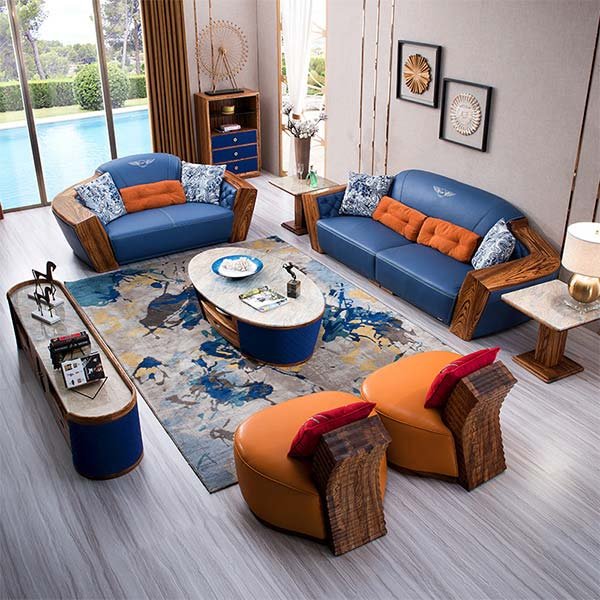
When mixing and matching living room furniture, it’s also important to consider the materials and textures of the pieces. Mixing different materials, such as wood, metal, and fabric, can add depth and visual interest to the room. You could pair a sleek leather sofa with a plush velvet armchair, or mix a rustic wooden coffee table with a modern glass side table.
In addition to mixing materials, you can also play with different textures to create a dynamic and layered look. For example, you could pair a smooth leather sofa with a chunky knit throw blanket, or mix a sleek metal lamp with a soft wool rug. By combining different textures, you can add warmth and dimension to your living room furniture.
When mixing and matching living room furniture, it’s important to strike a balance between cohesion and contrast. While you want the pieces to complement each other and create a cohesive look, you also want to add some contrast to create visual interest. This could be achieved by mixing different styles, such as pairing a modern sofa with a vintage armchair, or by mixing different colors and patterns to create a bold and eclectic look.
In conclusion, mixing and matching living room furniture can be a fun and creative way to decorate your space. By choosing a color scheme that complements your style and the size of your room, mixing different materials and textures, and balancing cohesion with contrast, you can create a stylish and personalized look for your living room. So go ahead and experiment with different combinations to find the perfect mix of furniture for your space.
Mixing Different Textures and Materials in Your Furniture
When it comes to decorating your living room, one of the most important aspects to consider is the furniture. The furniture in your living room sets the tone for the entire space and can make a big impact on the overall look and feel of the room. One way to create a visually interesting and cohesive look in your living room is to mix and match different textures and materials in your furniture.
Mixing different textures and materials in your furniture can add depth and dimension to your living room. It can also help to create a more dynamic and visually appealing space. When mixing different textures and materials in your furniture, there are a few key things to keep in mind.
First, consider the overall style and aesthetic of your living room. Are you going for a more modern and sleek look, or do you prefer a more traditional and cozy feel? The textures and materials you choose for your furniture should complement the overall style of your living room. For example, if you have a modern and minimalist living room, you may want to mix sleek leather furniture with metal accents. On the other hand, if you have a more traditional living room, you may want to mix plush fabrics like velvet with wood furniture.
Another important factor to consider when mixing different textures and materials in your furniture is the color scheme of your living room. The textures and materials you choose should complement the colors in your living room. For example, if you have a neutral color scheme in your living room, you may want to mix different textures and materials in shades of white, beige, and gray. If you have a more colorful living room, you may want to mix bold textures and materials in complementary colors.
When mixing different textures and materials in your furniture, it’s also important to consider the scale and proportion of the pieces. Mixing different textures and materials can create visual interest, but it’s important to make sure that the pieces work well together in terms of scale and proportion. For example, if you have a large leather sofa, you may want to balance it out with smaller accent chairs in a different texture or material.
One way to mix different textures and materials in your furniture is to choose pieces that have a common element. For example, you could mix a leather sofa with a fabric ottoman that has a similar color or pattern. This can help to tie the different pieces together and create a more cohesive look in your living room.
In conclusion, mixing different textures and materials in your furniture can add depth and dimension to your living room. By considering the overall style and aesthetic of your living room, the color scheme, and the scale and proportion of the pieces, you can create a visually interesting and cohesive look in your living room. So go ahead and experiment with mixing different textures and materials in your furniture to create a space that is uniquely yours.
Creating Balance and Harmony with Furniture Arrangement
When it comes to decorating your living room, one of the most important aspects to consider is the arrangement of your furniture. The way you mix and match different pieces can have a significant impact on the overall look and feel of the space. By carefully selecting and arranging your furniture, you can create a sense of balance and harmony that will make your living room both functional and aesthetically pleasing.
One of the key principles to keep in mind when mixing and matching living room furniture is to vary the scale and proportion of the pieces. This means combining larger, bulkier items with smaller, more delicate ones to create visual interest and prevent the room from feeling too heavy or cluttered. For example, you might pair a large sectional sofa with a sleek, modern coffee table to create a dynamic contrast that keeps the eye moving around the room.
Another important consideration when mixing and matching living room furniture is to pay attention to the style and design of each piece. While it can be tempting to stick with a single design aesthetic, such as modern or traditional, mixing different styles can add depth and character to the space. For example, you could pair a mid-century modern armchair with a rustic wooden side table for a look that is both eclectic and inviting.
In addition to varying the scale and style of your furniture, it’s also important to consider the color and texture of each piece. Mixing different colors and textures can add visual interest and create a more dynamic and inviting space. For example, you might pair a plush velvet sofa with a sleek leather armchair for a look that is both luxurious and modern.
When arranging your furniture, it’s important to consider the flow of the room and how people will move through the space. Make sure to leave enough room for traffic flow and create distinct areas for different activities, such as lounging, reading, or entertaining. You can use area rugs, lighting, and accessories to define these different zones and create a cohesive and inviting space.
When mixing and matching living room furniture, it’s also important to consider the function of each piece. Make sure that each item serves a purpose and contributes to the overall comfort and functionality of the space. For example, you might choose a coffee table with built-in storage to keep clutter at bay, or a sofa with a pull-out bed for overnight guests.
In conclusion, mixing and matching living room furniture is a great way to create a space that is both functional and visually appealing. By varying the scale, style, color, and texture of your pieces, you can create a sense of balance and harmony that will make your living room a welcoming and comfortable place to relax and entertain. So don’t be afraid to experiment with different combinations and arrangements – the possibilities are endless!
Conclusion
When mixing and matching living room furniture, it is important to consider the style, scale, and color of each piece to create a cohesive and visually appealing space. Start by selecting a focal point and building around it, incorporating a mix of textures and materials for added interest. Don’t be afraid to experiment with different combinations until you find a look that suits your personal style and complements the overall design of your home.