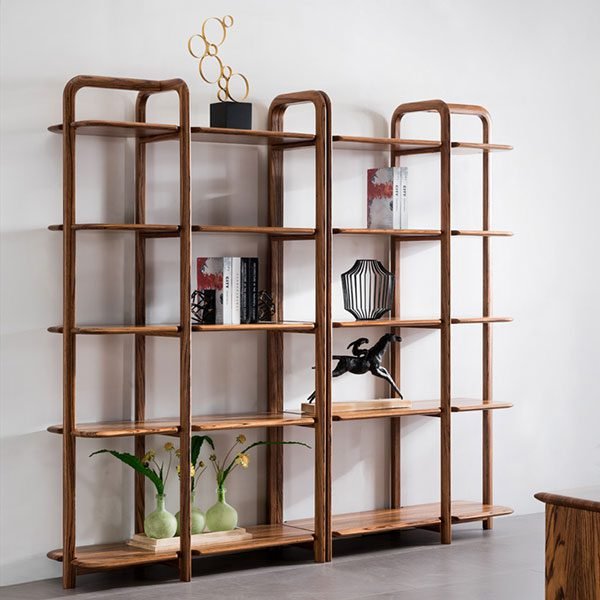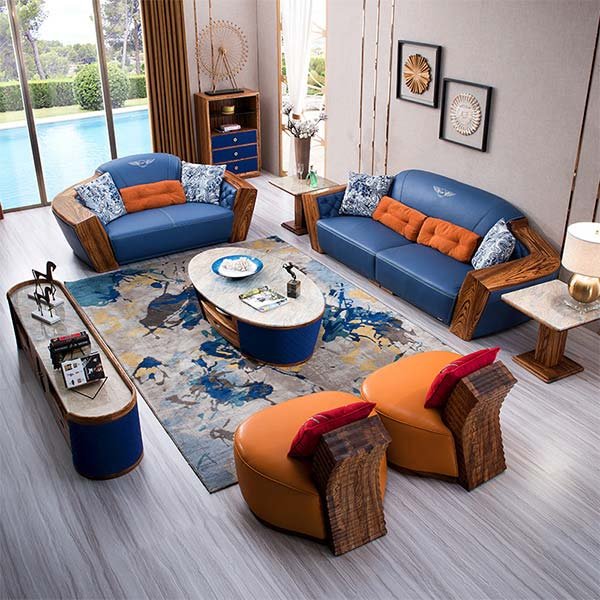
“Harmonize your space with the perfect blend of wood furniture, starting with a coffee table that effortlessly complements your style.”
Choosing complementary wood tones for a cohesive look
Choosing complementary wood tones for a cohesive look is essential when mixing a coffee table with other wood furniture. The right combination of wood tones can create a harmonious and visually appealing space. In this article, we will explore some tips and tricks to help you achieve a cohesive look in your living room.
Firstly, it is important to understand the different wood tones and their characteristics. Woods can range from light to dark, and each has its own unique grain pattern. Lighter woods, such as pine or oak, tend to have a more casual and rustic feel, while darker woods, like mahogany or walnut, exude elegance and sophistication. By understanding the characteristics of different wood tones, you can better choose complementary pieces for your coffee table.
When selecting wood furniture to mix with your coffee table, consider the overall style and theme of your living room. If you have a modern or contemporary space, opt for furniture with clean lines and minimalistic designs. In this case, a coffee table with a sleek, dark wood finish would pair well with other furniture pieces in lighter tones, creating a striking contrast.
On the other hand, if your living room has a traditional or classic style, aim for furniture with ornate details and intricate carvings. A coffee table with a rich, warm wood tone, such as cherry or mahogany, would complement other furniture pieces in similar shades, creating a cohesive and timeless look.
Another important factor to consider when mixing wood furniture is the size and scale of the pieces. Ensure that the coffee table and other furniture items are proportionate to each other. A large, chunky coffee table may overpower smaller, delicate furniture pieces, while a small coffee table may get lost among larger furniture items. Finding the right balance in size and scale will help create a visually pleasing arrangement.
In addition to considering the wood tones and style, it is also crucial to pay attention to the finish of the furniture. The finish can greatly impact the overall look and feel of the space. For instance, a coffee table with a glossy finish will add a touch of modernity and sophistication, while a coffee table with a distressed or weathered finish will contribute to a more rustic and vintage ambiance. Ensure that the finishes of the coffee table and other wood furniture pieces complement each other to achieve a cohesive look.
Lastly, don’t be afraid to mix different wood tones and styles. Mixing different wood tones can add depth and visual interest to your living room. However, it is important to maintain a sense of balance and harmony. Consider using a neutral color palette for other elements in the room, such as upholstery or wall paint, to create a cohesive backdrop for the mixed wood furniture.
In conclusion, choosing complementary wood tones for a cohesive look when mixing a coffee table with other wood furniture is crucial. Understanding the characteristics of different wood tones, considering the overall style and theme of the room, paying attention to size and scale, and ensuring that the finishes complement each other are all important factors to consider. By following these tips and tricks, you can create a visually appealing and harmonious living room that seamlessly blends different wood furniture pieces.
Incorporating different wood textures for visual interest
Incorporating different wood textures for visual interest
When it comes to interior design, mixing different wood textures can add visual interest and depth to a space. One area where this can be particularly effective is in the combination of a coffee table with other wood furniture. By carefully selecting and blending various wood finishes, you can create a cohesive and stylish look that will enhance the overall aesthetic of your living room.
The first step in mixing a coffee table with other wood furniture is to consider the existing wood tones in the room. Take note of the color and finish of your flooring, walls, and other furniture pieces. This will help you determine the direction you want to take with your coffee table selection. If you have dark wood floors, for example, you may want to opt for a lighter wood coffee table to create contrast and balance.
Once you have an idea of the overall color scheme you want to achieve, it’s time to start exploring different wood textures. One option is to choose a coffee table that matches the wood finish of your existing furniture. This will create a cohesive and harmonious look, tying all the pieces together. However, if you prefer a more eclectic and layered look, you can mix different wood finishes for added visual interest.
When mixing wood textures, it’s important to consider the scale and proportion of the furniture pieces. If you have a large, chunky coffee table, for example, it may overpower smaller, delicate wood furniture. In this case, you can balance the visual weight by incorporating other elements, such as metal or glass, into the design. This will create a more dynamic and visually appealing composition.
Another way to incorporate different wood textures is by using accessories and accents. For instance, you can add wooden trays, bowls, or picture frames to your coffee table to introduce additional wood elements. This will help tie the different wood finishes together and create a cohesive look. Additionally, you can use textiles, such as a patterned rug or throw pillows, to add texture and warmth to the space.
When mixing wood textures, it’s important to pay attention to the overall style and theme of your living room. If you have a modern or minimalist space, you may want to opt for sleek and streamlined wood furniture with clean lines. On the other hand, if you have a more traditional or rustic style, you can experiment with distressed or reclaimed wood finishes for a cozy and inviting feel.
In conclusion, mixing a coffee table with other wood furniture can be a great way to add visual interest and depth to your living room. By considering the existing wood tones, exploring different wood textures, and paying attention to scale and proportion, you can create a cohesive and stylish look. Don’t be afraid to mix and match different wood finishes, and don’t forget to incorporate accessories and accents to tie everything together. With a little bit of planning and creativity, you can achieve a beautiful and harmonious space that reflects your personal style.
Balancing the size and scale of the coffee table with other wood furniture pieces
Когда дело доходит до оформления интерьера, выбор мебели является одним из самых важных аспектов. Особенно важно правильно сочетать различные предметы мебели, чтобы создать гармоничное и стильное пространство. В этой статье мы рассмотрим, как смешать журнальный столик с другой деревянной мебелью, обратив внимание на баланс размеров и масштабов.
Когда вы выбираете журнальный столик, важно учесть его размеры и масштаб в соответствии с другой деревянной мебелью в комнате. Если у вас уже есть большой деревянный шкаф или комод, то журнальный столик должен быть пропорционален по размеру. Не стоит выбирать слишком маленький столик, который потеряется на фоне крупной мебели, или слишком большой, который будет выглядеть громоздким и неуклюжим. Подбирайте столик так, чтобы он был достаточно велик, чтобы быть функциональным, но не слишком громоздким.
Кроме размеров, также важно обратить внимание на стиль и отделку журнального столика и другой деревянной мебели. Если у вас есть деревянный шкаф с темным оттенком и грубой текстурой, то стоит выбрать журнальный столик с аналогичной отделкой, чтобы создать единый образ. Если же у вас есть светлая и гладкая деревянная мебель, то стоит выбрать столик с аналогичными характеристиками. Главное, чтобы стиль и отделка столика и другой мебели были согласованы, чтобы создать единый и гармоничный образ.
Кроме того, можно использовать различные аксессуары и декоративные элементы, чтобы связать журнальный столик с другой деревянной мебелью. Например, вы можете использовать подушки или покрывала с аналогичным деревянным узором или цветом, чтобы создать единый образ. Также можно использовать декоративные предметы, такие как вазы или свечи, сделанные из того же дерева, что и ваша мебель. Это поможет создать единый стиль и связать все элементы в комнате.
Наконец, не забывайте о функциональности журнального столика. Он должен быть удобным и практичным, чтобы вы могли использовать его для различных целей. Например, вы можете использовать его для размещения книг, журналов или пультов управления. Также стоит обратить внимание на высоту столика, чтобы он был удобен для использования в сочетании с другой мебелью. Не забывайте, что функциональность также является важным аспектом при выборе и смешивании мебели.
В итоге, при выборе и смешивании журнального столика с другой деревянной мебелью, важно обратить внимание на баланс размеров и масштабов, стиль и отделку, а также функциональность. Подбирайте столик так, чтобы он был пропорционален по размеру и стилю с другой мебелью, используйте аксессуары и декоративные элементы для создания единого образа, и не забывайте о его функциональности. Следуя этим рекомендациям, вы сможете создать гармоничное и стильное пространство в вашей комнате.
Заключение
Заключение: Чтобы успешно сочетать журнальный столик из дерева с другой деревянной мебелью, рекомендуется учитывать следующие факторы:
1. Оттенок дерева: Подбирайте журнальный столик, который имеет схожий оттенок с остальной деревянной мебелью. Это поможет создать единый и гармоничный общий вид.
2. Стиль: Учитывайте стиль деревянной мебели, чтобы журнальный столик соответствовал общей эстетике помещения. Например, если у вас есть рустиканская мебель, то стоит выбрать столик с таким же стилем.
3. Размер и форма: Убедитесь, что размер и форма журнального столика соответствуют остальной мебели в комнате. Он должен быть достаточно пропорционален и не выделяться слишком сильно.
4. Комплементарные элементы: Добавьте декоративные элементы, которые помогут связать журнальный столик с остальной деревянной мебелью. Например, вы можете использовать подушки или покрывала с теми же оттенками дерева.
В целом, главное правило при сочетании журнального столика из дерева с другой деревянной мебелью – создать гармоничный и сбалансированный общий вид комнаты.