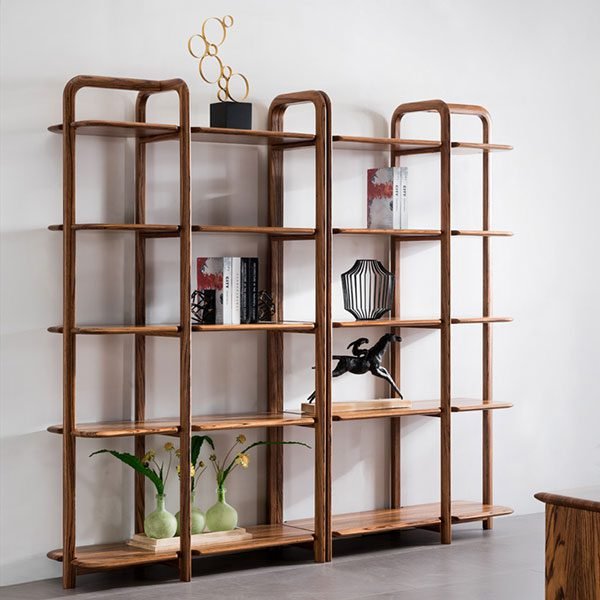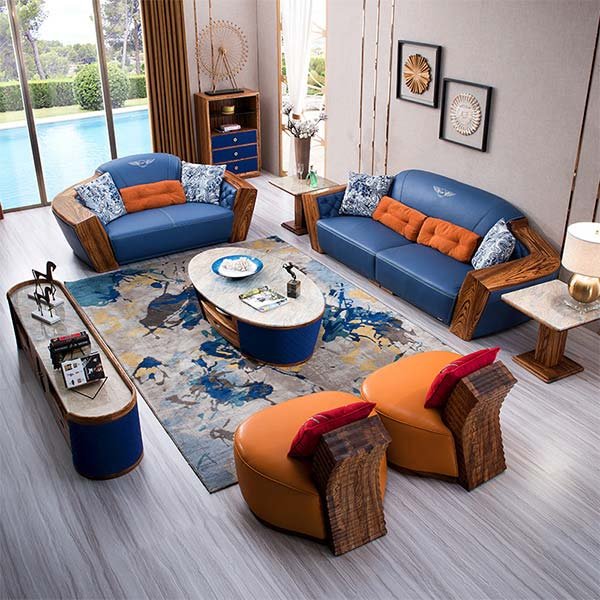
“Embrace the eclectic: mix and match your living room furniture for a unique and personalized look.”
Creative Ways to Mix and Match Living Room Furniture
Mixing and matching living room furniture can be a fun and creative way to add personality and character to your space. While some may prefer a more cohesive look with matching sets, others may enjoy the eclectic and unique vibe that comes with mismatched furniture. If you’re looking to shake things up in your living room, here are some tips on how to successfully mismatch your furniture.
One of the key elements to successfully mismatching living room furniture is to have a cohesive color palette. While your furniture pieces may not match in style or design, having a consistent color scheme will help tie everything together. Choose a few key colors that you want to incorporate into your space and use them throughout your furniture pieces, accessories, and decor.
Another important factor to consider when mismatching living room furniture is the scale and proportion of your pieces. While it’s okay to mix different styles and sizes of furniture, it’s important to make sure that they work well together in terms of scale. For example, if you have a large, bulky sofa, pairing it with a small, delicate coffee table may look unbalanced. Make sure to mix and match furniture pieces that complement each other in terms of size and scale.
When mismatching living room furniture, it’s also important to consider the overall style and aesthetic of your space. While mixing different styles can create an eclectic and interesting look, it’s important to make sure that the pieces you choose still work well together. For example, pairing a modern, sleek sofa with a vintage, ornate armchair may create a clash in styles. Try to find pieces that have some common elements or features that tie them together, such as similar materials or finishes.
In addition to mixing different styles and sizes of furniture, you can also experiment with mixing different textures and materials. Combining different textures, such as leather, velvet, and wood, can add depth and visual interest to your space. Mixing materials like metal, glass, and wood can also create a dynamic and layered look. Don’t be afraid to mix and match different textures and materials to create a unique and personalized space.
When mismatching living room furniture, it’s important to pay attention to the layout and arrangement of your pieces. Experiment with different furniture arrangements to find the best layout for your space. Consider creating different seating areas or focal points within the room to create visual interest. Don’t be afraid to move furniture around and try different configurations until you find a layout that works best for your space.
In conclusion, mismatching living room furniture can be a fun and creative way to add personality and character to your space. By following these tips and guidelines, you can successfully mix and match different styles, colors, sizes, textures, and materials to create a unique and eclectic look. Remember to have a cohesive color palette, consider scale and proportion, pay attention to style and aesthetic, experiment with textures and materials, and pay attention to layout and arrangement. With a little creativity and imagination, you can create a stylish and personalized living room that reflects your unique taste and personality.
Tips for Incorporating Different Styles in Your Living Room Decor
When it comes to decorating your living room, mixing and matching furniture styles can create a unique and eclectic look that reflects your personal style. While some may shy away from combining different pieces, mismatched furniture can add character and charm to your space. Here are some tips for incorporating different styles in your living room decor.
First and foremost, it’s important to have a cohesive color palette. Choose a few key colors that will tie all of your mismatched pieces together. This could be as simple as sticking to neutral tones like white, beige, and gray, or you could opt for a more bold and vibrant color scheme. Whatever you choose, make sure that each piece of furniture complements the overall color palette of the room.
Another tip for mismatched living room furniture is to mix different textures and materials. For example, you could pair a sleek leather sofa with a cozy knit throw blanket, or combine a rustic wooden coffee table with a modern metal side table. Mixing textures adds depth and visual interest to your space, creating a more dynamic and inviting atmosphere.
Incorporating different styles of furniture also means mixing different design aesthetics. For example, you could combine a mid-century modern armchair with a traditional tufted sofa, or pair a minimalist coffee table with a bohemian rug. Mixing design styles adds a sense of eclecticism to your space, creating a visually stimulating environment that reflects your unique taste.
When mixing and matching furniture styles, it’s important to pay attention to scale and proportion. Make sure that each piece of furniture fits well within the space and complements the other pieces around it. For example, if you have a large sectional sofa, balance it out with smaller accent chairs or side tables. Creating a sense of balance and harmony in your space will help tie all of your mismatched pieces together.
One way to tie together mismatched furniture is through the use of accessories. Adding throw pillows, blankets, rugs, and artwork can help create a cohesive look in your living room. Choose accessories that complement the colors and textures of your furniture, and don’t be afraid to mix and match different patterns and styles. Accessories are a great way to add personality and flair to your space, while also helping to tie together your mismatched furniture pieces.
In conclusion, mixing and matching furniture styles in your living room can create a unique and personalized space that reflects your individual style. By following these tips for incorporating different styles in your living room decor, you can create a cohesive and visually interesting environment that is both functional and beautiful. Remember to pay attention to color, texture, design aesthetics, scale, and proportion when mixing and matching furniture, and don’t be afraid to experiment with different combinations until you find a look that feels just right for you.
How to Create Cohesion in a Room with Mismatched Furniture
Mismatched furniture in a living room can create a unique and eclectic look that adds character and personality to the space. However, it can be challenging to achieve cohesion and harmony when combining different styles, colors, and textures. With some careful planning and design principles, you can create a cohesive and stylish living room with mismatched furniture.
One of the key elements to consider when mixing and matching furniture is to establish a common theme or color palette. This will help tie the different pieces together and create a cohesive look. Choose a dominant color or style that will serve as the anchor for the room, and then select other pieces that complement or contrast with this main element. For example, if you have a bold red sofa as the focal point, you can add accent chairs in a complementary color like navy blue or a contrasting color like mustard yellow.
Another important aspect to consider is the scale and proportion of the furniture pieces. Make sure that the sizes and shapes of the items in the room are balanced and harmonious. Avoid placing large, bulky pieces next to delicate, small-scale furniture as this can create a visual imbalance. Instead, mix different sizes and shapes to create a dynamic and interesting composition. For example, pair a sleek, modern coffee table with a plush, oversized sofa to create a visually appealing contrast.
In addition to scale and proportion, consider the texture and material of the furniture pieces. Mixing different textures like wood, metal, glass, and fabric can add depth and visual interest to the room. However, it is important to ensure that the textures complement each other and do not clash. For example, you can pair a leather sofa with a velvet armchair to create a luxurious and inviting seating area.
When arranging mismatched furniture in a living room, it is essential to create a sense of balance and symmetry. Place larger pieces like sofas and armchairs along the walls to anchor the space, and then add smaller pieces like side tables and accent chairs to fill in the gaps. Create a focal point in the room by arranging furniture around a fireplace, window, or artwork to draw the eye and create a sense of cohesion.
To tie everything together, consider adding accessories like throw pillows, rugs, and artwork that complement the colors and styles of the furniture. These small details can help unify the space and create a cohesive look. Choose a few key pieces that reflect the overall theme of the room and add visual interest without overwhelming the space.
In conclusion, creating a cohesive living room with mismatched furniture requires careful planning and attention to detail. By establishing a common theme or color palette, balancing scale and proportion, mixing textures and materials, arranging furniture for balance and symmetry, and adding complementary accessories, you can achieve a stylish and harmonious look that showcases your unique style and personality. With these tips and principles in mind, you can confidently mix and match furniture to create a one-of-a-kind living room that reflects your individual taste and creativity.
Conclusion
When dealing with mismatched living room furniture, it’s important to find a common element to tie everything together, such as color, style, or texture. Additionally, incorporating cohesive accessories and decor can help create a more unified look. Experimenting with different layouts and arrangements can also help make the mismatched pieces feel intentional and cohesive. Ultimately, embracing the eclectic mix of furniture can add character and personality to the space.