“Harmonize your living space with perfectly matched furniture colors.”
Mixing neutrals with a pop of color
When it comes to decorating your living room, choosing the right furniture colors can make a big impact on the overall look and feel of the space. One popular design trend is mixing neutrals with a pop of color to create a balanced and visually appealing aesthetic.
Neutrals such as white, beige, gray, and taupe are versatile and timeless choices for living room furniture. They provide a neutral backdrop that can easily be paired with a variety of colors and patterns. When mixing neutrals with a pop of color, it’s important to choose a color that complements the neutrals and adds visual interest to the room.
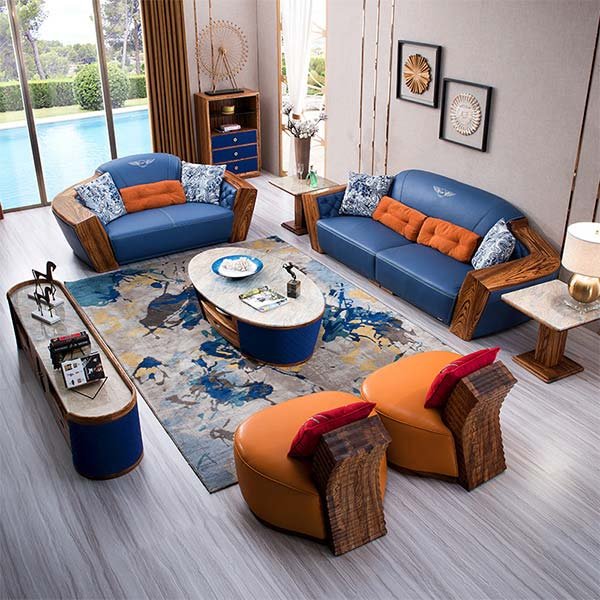
One way to incorporate a pop of color into your living room is by choosing a statement piece of furniture in a bold hue. For example, a vibrant blue sofa or a bright red accent chair can add a pop of color to an otherwise neutral space. This bold piece can serve as the focal point of the room and tie the color scheme together.
Another way to mix neutrals with a pop of color is by adding colorful accessories such as throw pillows, rugs, and artwork. These smaller accents can easily be switched out or updated to change the look of the room without having to replace larger furniture pieces. By choosing accessories in complementary colors, you can create a cohesive and harmonious color scheme in your living room.
When mixing neutrals with a pop of color, it’s important to consider the overall style and mood you want to create in the room. For a modern and contemporary look, consider pairing neutral furniture with bold, saturated colors such as emerald green or mustard yellow. If you prefer a more traditional and classic aesthetic, opt for softer, pastel hues like blush pink or mint green.
In addition to choosing the right colors, it’s also important to pay attention to the proportions and placement of furniture in the room. When mixing neutrals with a pop of color, it’s best to keep the majority of the furniture neutral and use the pop of color sparingly to create a focal point. This will prevent the room from feeling overwhelming or too busy.
To tie the color scheme together, consider incorporating elements of the pop of color throughout the room. For example, if you have a blue sofa, you can add blue throw pillows, a blue rug, or blue artwork to create a cohesive look. This will help create a sense of harmony and balance in the space.
Overall, mixing neutrals with a pop of color is a great way to add visual interest and personality to your living room. By choosing the right colors, proportions, and placement of furniture, you can create a stylish and cohesive color scheme that reflects your personal style. So go ahead and experiment with different color combinations to create a living room that is both inviting and visually stunning.
Coordinating furniture with wall color
Choosing the right colors for your living room furniture can make a big impact on the overall look and feel of the space. One important aspect to consider is how to coordinate your furniture colors with the wall color. By following some simple guidelines, you can create a cohesive and visually appealing living room that reflects your personal style.
When it comes to coordinating furniture with wall color, one of the key factors to consider is the color wheel. The color wheel is a useful tool that can help you understand how different colors work together. Complementary colors, which are located opposite each other on the color wheel, can create a striking contrast when used together. For example, if you have a blue wall, consider pairing it with furniture in a warm orange or yellow hue to create a visually dynamic space.
Analogous colors, which are located next to each other on the color wheel, can create a harmonious and cohesive look. If you have a green wall, consider choosing furniture in shades of blue or yellow to create a calming and balanced atmosphere in your living room. Additionally, monochromatic color schemes, which involve using varying shades of the same color, can create a sophisticated and elegant look. For example, if you have a gray wall, consider choosing furniture in different shades of gray, white, and black to create a modern and sleek living room.
Another important consideration when coordinating furniture with wall color is the overall style and mood you want to achieve in your living room. If you want to create a cozy and inviting space, consider choosing warm and earthy tones for both your furniture and wall color. Colors like beige, brown, and terracotta can create a welcoming and comfortable atmosphere in your living room. On the other hand, if you prefer a more modern and minimalist look, consider choosing furniture and wall colors in shades of white, gray, and black to create a sleek and contemporary space.
In addition to considering the color wheel and overall style of your living room, it’s also important to take into account the natural light in the space. Natural light can affect how colors appear in a room, so it’s important to consider how the lighting will impact your furniture and wall colors. If you have a living room with lots of natural light, you may want to choose lighter colors for your furniture and walls to create a bright and airy space. On the other hand, if your living room receives less natural light, you may want to choose darker colors to create a cozy and intimate atmosphere.
In conclusion, coordinating furniture with wall color is an important aspect of creating a cohesive and visually appealing living room. By considering the color wheel, overall style, and natural light in the space, you can create a harmonious and inviting atmosphere that reflects your personal style. Whether you prefer bold and contrasting colors or subtle and harmonious tones, there are endless possibilities for creating a beautiful and well-coordinated living room.
Using a color wheel for inspiration
When it comes to decorating your living room, choosing the right colors for your furniture can make a big impact on the overall look and feel of the space. One way to ensure that your living room furniture colors match well is to use a color wheel for inspiration.
The color wheel is a tool that can help you understand how different colors work together and how they can create a harmonious color scheme. By using the color wheel, you can easily find colors that complement each other and create a cohesive look in your living room.
One way to use the color wheel for inspiration is to choose colors that are next to each other on the wheel. These colors are known as analogous colors and they tend to create a harmonious and cohesive look when used together. For example, if you have a blue sofa, you could pair it with a green accent chair to create a calming and cohesive color scheme.
Another way to use the color wheel is to choose colors that are opposite each other on the wheel. These colors are known as complementary colors and they create a bold and striking look when used together. For example, if you have a red sofa, you could pair it with a green coffee table to create a vibrant and eye-catching color scheme.
You can also use the color wheel to create a monochromatic color scheme by choosing different shades of the same color. This can create a sophisticated and elegant look in your living room. For example, if you have a grey sofa, you could pair it with a charcoal rug and silver throw pillows to create a chic and modern color scheme.
In addition to using the color wheel for inspiration, you can also consider the mood and atmosphere you want to create in your living room. Warm colors like red, orange, and yellow can create a cozy and inviting atmosphere, while cool colors like blue, green, and purple can create a calm and relaxing atmosphere.
When choosing living room furniture colors, it’s important to consider the size and layout of the room. Dark colors can make a room feel smaller and more intimate, while light colors can make a room feel larger and more open. If you have a small living room, you may want to choose lighter colors to create a more spacious feel.
Overall, using a color wheel for inspiration can help you choose living room furniture colors that complement each other and create a cohesive and harmonious look in your space. Whether you prefer a bold and vibrant color scheme or a more subtle and elegant look, the color wheel can help you find the perfect colors for your living room furniture.
Заключение
Выберите основной цвет для мебели и дополните его согласно цветовому кругу. Используйте различные оттенки и текстуры для создания интересного и гармоничного облика комнаты.